How To Grow Your Own Strawberry Varieties At Home
Unlock the secrets of successful strawberry cultivation for a flavorful and sustainable harvest
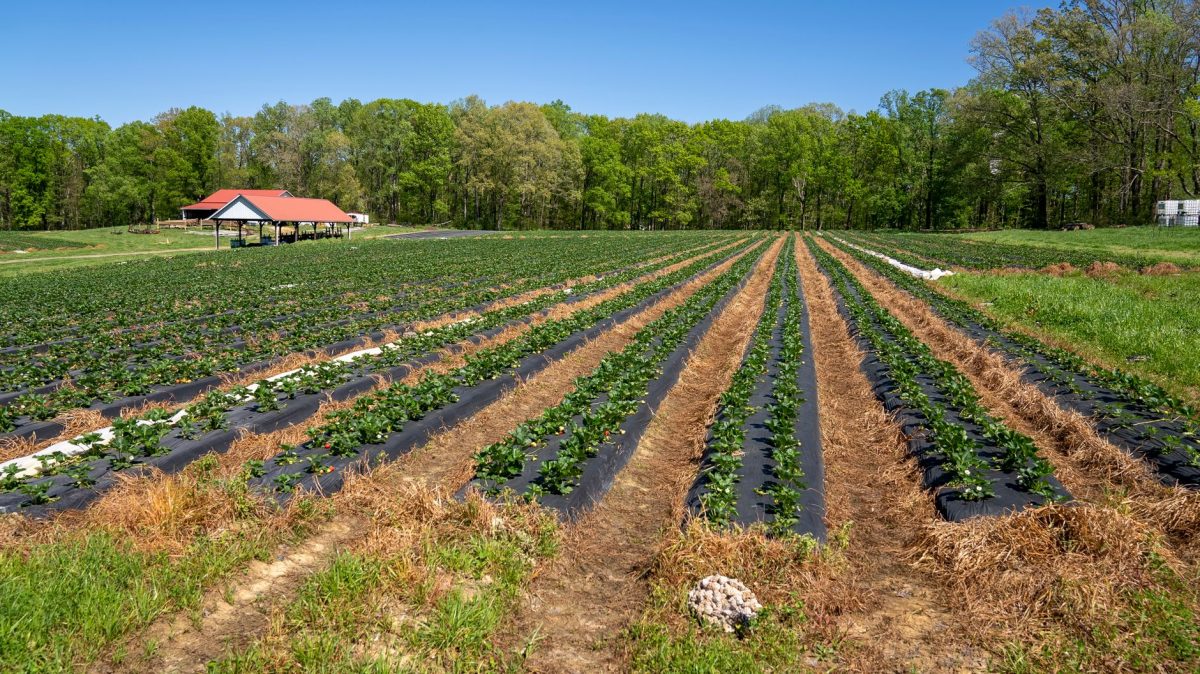
Are you tired of relying on store-bought strawberries that lack flavor and nutritional value? With the rise of indoor and home farming, it's now possible to grow your own strawberry varieties at home. In this guide, you'll learn how to cultivate delicious and sustainable strawberries using simple techniques and readily available materials.
Step 1: Choose the Right Strawberry Variety
With hundreds of strawberry varieties to choose from, selecting the right one can be overwhelming. Consider factors like climate, soil type, and desired flavor profile when choosing a variety. Look for varieties that are disease-resistant and suitable for your region. Popular strawberry varieties for home cultivation include 'Everbearing', 'Albion', and 'Camarosa'.
Step 2: Prepare the Perfect Growing Conditions
Strawberries require a specific set of growing conditions to thrive. Provide them with full sun, well-draining soil, and a slightly acidic pH (around 5.5-6.5). Use a soil test kit to determine your soil's pH and nutrient levels. If necessary, amend the soil with organic matter like compost or manure tea.
Step 3: Plant Your Strawberries
Plant strawberry crowns or seedlings in the spring or fall, depending on your climate. Space them about 12-18 inches apart to allow for proper air circulation. Water the soil gently but thoroughly after planting, and keep it consistently moist during the first few weeks. Use a drip irrigation system or soaker hose to conserve water and reduce evaporation.
Step 4: Provide Proper Care and Maintenance
Strawberries require regular care and maintenance to produce a bountiful harvest. Water them deeply once or twice a week, depending on weather conditions. Fertilize them with a balanced fertilizer (10-10-10) in the spring and summer months. Remove any weeds that compete with your strawberries for water and nutrients.
Step 5: Harvest Your Strawberries
Strawberries are ready to harvest when they're bright red and slightly soft to the touch. Use scissors or a sharp knife to snip off the fruit at the stem, leaving a small piece of stem attached to the plant. Harvest your strawberries in the morning, when the dew is still present, to ensure maximum flavor and texture.
To extend the strawberry growing season, use row covers or cold frames to protect your plants from frost and extreme weather conditions.
By following these simple steps, you'll be enjoying fresh, homegrown strawberries in no time. Not only will you save money and reduce your carbon footprint, but you'll also gain the satisfaction of growing your own delicious fruit. Next, consider experimenting with different strawberry varieties and cultivation techniques to optimize your harvest.