How To Stay Safe While Climbing in Avalanche Prone Areas
Expert guide to minimizing risks and preparing for emergencies in the mountains
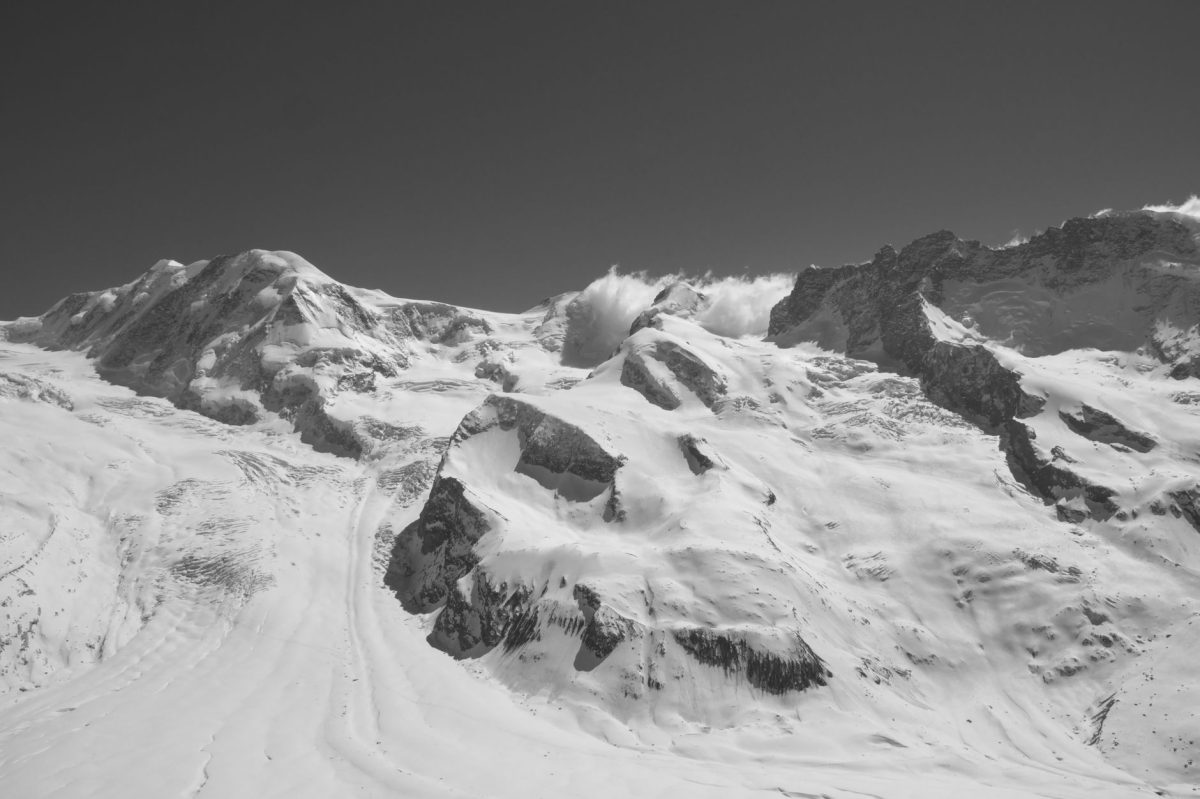
Climbing can be a thrilling adventure, but it also comes with risks. Recent news of missing climbers in the Naltar Valley, Gilgit-Baltistan, Pakistan, highlights the importance of being prepared for emergencies. In this guide, you'll learn 7 essential tips to stay safe while climbing in avalanche prone areas.
Step 1: Assess the Risk and Choose Safe Routes
Before embarking on a climb, research the area's avalanche history and check the current weather forecast. Use online tools like the Avalanche Forecast website or apps like The Avalanche App to get up-to-date information. Consider consulting with local guides or experts to determine the safest routes and conditions. This will help you avoid areas prone to avalanches and ensure a safer climb.
Step 2: Pack Essential Safety Gear
Avalanche safety gear is crucial in emergency situations. Make sure you have a beacon, probe, and shovel in your backpack. Consider investing in a personal locator beacon (PLB) or satellite phone in case of emergencies. Additionally, pack a first-aid kit, warm clothing, and a repair kit for your gear.
Step 3: Learn Avalanche Rescue Techniques
In case of an avalanche, knowing how to rescue yourself and others is vital. Take a course in avalanche rescue techniques, such as the AIARE 1 course, to learn how to use your gear effectively. Practice your skills in a controlled environment to build confidence and develop muscle memory.
Step 4: Stay Connected and Communicate with Your Team
Communication is key in emergency situations. Make sure each member of your team has a means of communication, such as a satellite phone or two-way radio. Establish a regular check-in schedule to ensure everyone's safety and location. In case of an emergency, designate a team leader to coordinate rescue efforts.
Step 5: Monitor Weather Conditions and Be Prepared to Abandon the Climb
Weather conditions can change rapidly in the mountains. Monitor local weather forecasts and be prepared to abandon the climb if conditions become unfavorable. Use weather apps like Dark Sky or The Weather Channel to stay informed. If you're caught in bad weather, prioritize your safety and descend to a lower elevation or seek shelter.
Step 6: Bring a First-Aid Kit and Know Basic First-Aid Skills
A first-aid kit can make all the difference in emergency situations. Pack a kit with essentials like bandages, pain relievers, and antiseptic wipes. Consider taking a basic first-aid course, such as the American Red Cross's First Aid/CPR/AED course, to learn how to treat common injuries and illnesses.
Step 7: File a Trip Plan and Leave a Copy with a Trusted Friend or Family Member
In case of an emergency, it's essential to have a plan in place. File a trip plan with a local park ranger or guide service, and leave a copy with a trusted friend or family member. This will help authorities locate you quickly in case of an emergency. Make sure to include your itinerary, contact information, and a description of your gear and vehicle.
Many climbers overlook the importance of **regular gear maintenance**. Make sure to check your gear regularly for damage or wear and tear. This will ensure your equipment is in working condition and reduce the risk of accidents.
By following these 7 essential tips, you'll be better equipped to stay safe while climbing in avalanche prone areas. Remember to always prioritize your safety and the safety of your team. Take the necessary precautions, and enjoy the thrill of climbing with confidence.