How To Protect Your Business from Trade Tariffs in 6 Steps
Navigate the complexities of international trade agreements and safeguard your company's financial future
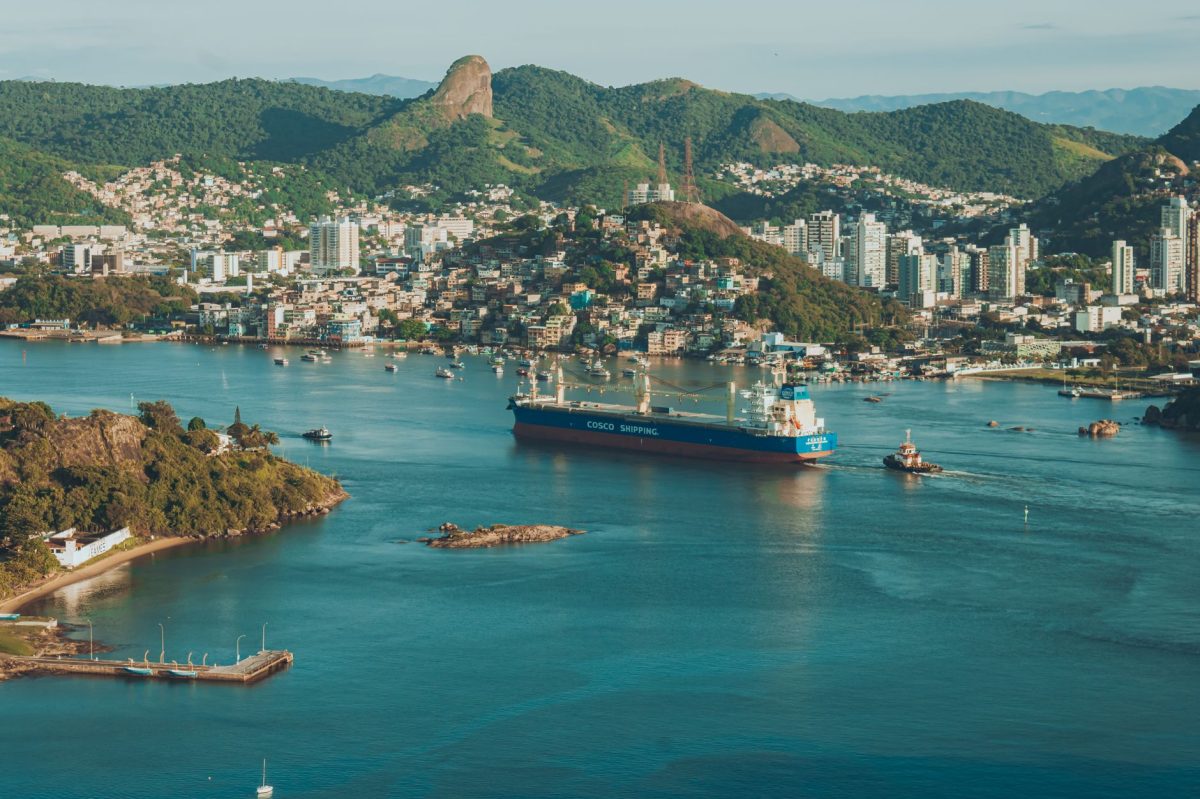
Are you concerned about the impact of trade tariffs on your business? With countries like the US, China, and Brazil reevaluating their trade agreements, it's essential to understand the risks and take proactive steps to protect your company. This guide will walk you through the process of assessing and mitigating the effects of trade tariffs on your business, ensuring your financial stability in an unpredictable market.
Step 1: Assess Your Business's Exposure to Trade Tariffs
Identify your suppliers and customers in countries affected by trade tariffs. Use tools like the US Customs and Border Protection's (CBP) Trade Remedy and Tariff Data System to determine the countries and products impacted by tariffs. Review your contracts and agreements to understand any potential implications for your business. This will help you understand where trade tariffs may have the most significant impact on your operations and finances.
Step 2: Determine the Tariff Impact on Your Products
Calculate the potential tariff costs for your products using online tariff calculators like the World Bank's Trade Tariff Tool or the International Trade Administration's Tariff Calculator. Consider the specific HS (Harmonized System) codes for your products to determine the applicable tariff rates. This will help you estimate the potential financial impact of tariffs on your business.
Step 3: Evaluate Alternative Suppliers and Markets
Research potential alternative suppliers and markets that may not be subject to the same trade tariffs. Use online directories like Thomasnet or Alibaba to find new suppliers. Consider attending international trade shows or conferences to connect with potential partners. This will help you diversify your supply chain and reduce reliance on affected countries.
Step 4: Consider Tariff Mitigation Strategies
Explore tariff mitigation strategies like value-added tax (VAT) refunds or duty drawback programs. Consult with a trade attorney or tax professional to determine the eligibility and requirements for these programs. This will help you minimize the financial impact of tariffs on your business.
Step 5: Develop a Contingency Plan
Create a contingency plan outlining potential scenarios and responses to mitigate the effects of trade tariffs. Identify key stakeholders, including suppliers, customers, and partners, to communicate with during this process. Review your cash flow projections to ensure you have sufficient funds to cover any potential losses. This will help you stay prepared and responsive to changing market conditions.
Step 6: Monitor and Adjust Your Strategy
Regularly review and update your tariff mitigation strategy to ensure it remains effective. Monitor trade agreements, economic indicators, and market trends to stay informed about potential changes. This will help you adapt to evolving market conditions and maintain a competitive edge in the face of trade tariffs.
Don't underestimate the importance of maintaining open communication with your suppliers, customers, and partners during times of trade uncertainty. Regular updates and transparency can help build trust and strengthen relationships, ultimately benefiting your business in the long run.
By following these 6 steps, you'll be better equipped to navigate the complexities of trade tariffs and safeguard your business's financial future. Remember to stay vigilant, adapt to changing market conditions, and maintain strong relationships with your stakeholders. Stay ahead of the curve and protect your business from the risks of trade tariffs.