How To Support Education Under Conflict Zones In 7 Steps
A practical guide to help you make a difference in the lives of children affected by war and occupation.
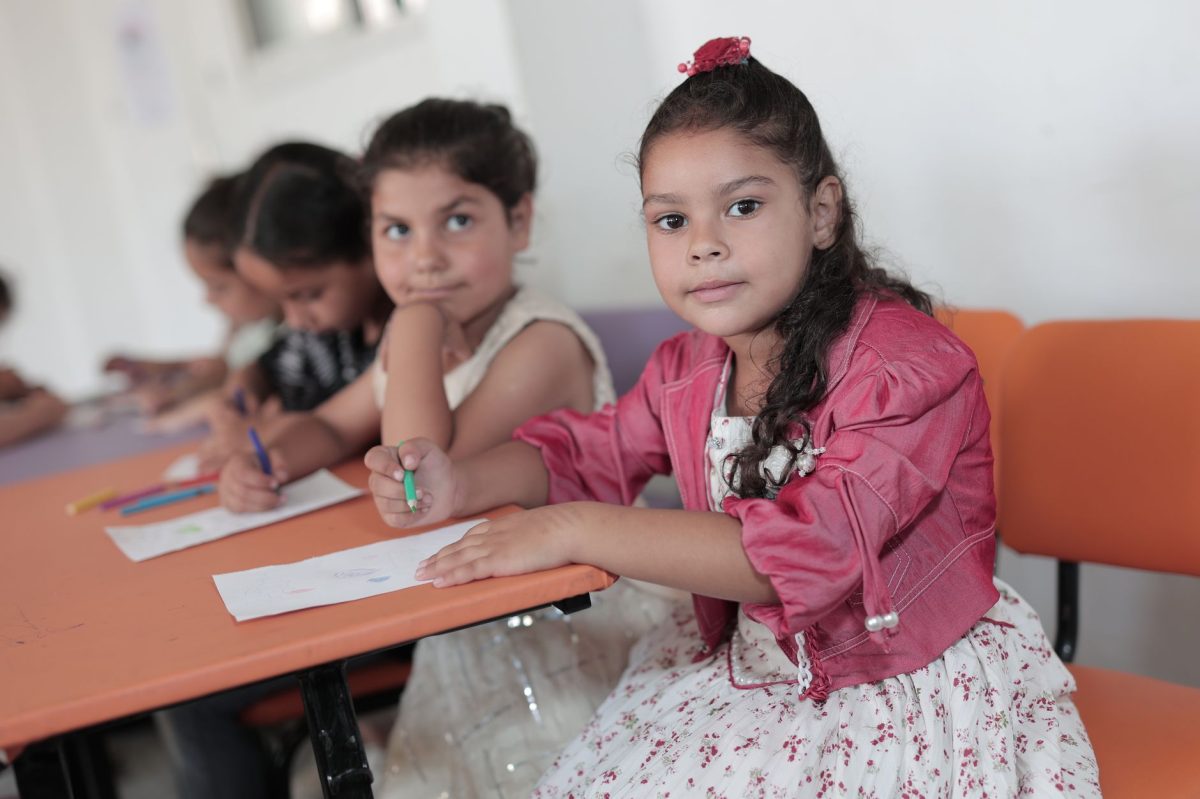
The Israeli-Palestinian conflict has cast a long shadow over the lives of children in the West Bank. As a global community, we can make a difference by supporting education initiatives in conflict zones. In this guide, you'll learn how to help children access quality education despite the challenges they face.
Step 1: **Understand** the Challenges Facing Children in Conflict Zones
Learn about the current situation in the West Bank and the challenges faced by children in conflict zones. Read reports from reputable organizations such as UNICEF and Save the Children to gain insights into the education sector. Identify the specific needs of children in conflict zones and the types of support they require.
Step 2: **Research** Organizations Working in Education Under Conflict
Look for organizations that specialize in education under conflict zones. Some examples include UNRWA, the Palestinian Red Crescent Society, and Save the Children. Research their programs, impact, and funding models to understand how you can support them effectively.
Step 3: **Volunteer** Your Time and Skills
Consider volunteering your time and skills to organizations working in education under conflict zones. You can offer services such as fundraising, social media management, or translation. This will not only make a difference but also help you gain valuable experience and connections in the field.
Step 4: **Donate** to Reputable Organizations
Identify reputable organizations working in education under conflict zones and make a donation. You can also set up a recurring donation to support their ongoing efforts. Be sure to research the organization's transparency, accountability, and impact before making a donation.
Step 5: **Raise Awareness** about the Importance of Education Under Conflict
Share articles, videos, and stories about the challenges faced by children in conflict zones on social media. Use hashtags to raise awareness and mobilize support for education initiatives. You can also write a blog post or create a video to highlight the importance of education under conflict.
Step 6: **Advocate** for Education in Conflict Zones
Contact your local representatives and express your support for education initiatives in conflict zones. You can also participate in campaigns and petitions that advocate for the protection of education under conflict. This will help raise awareness and put pressure on governments to take action.
Step 7: **Support** Local Education Initiatives
Look for local organizations or initiatives that support education under conflict zones. You can offer your skills, time, or resources to help them achieve their goals. This will not only make a difference but also help you connect with your community and build relationships with like-minded individuals.
Consider supporting organizations that use **decentralized funding models**, which allow for more transparency and accountability in fundraising and spending.
By following these 7 steps, you can make a difference in the lives of children affected by war and occupation. Remember, supporting education under conflict zones is a long-term commitment that requires dedication, research, and action. Take the first step today and join the global movement to protect education under conflict.