How To Stay Safe During War Zones and Conflict Areas in 5 Steps
Protect yourself and your loved ones with these practical tips and expert advice
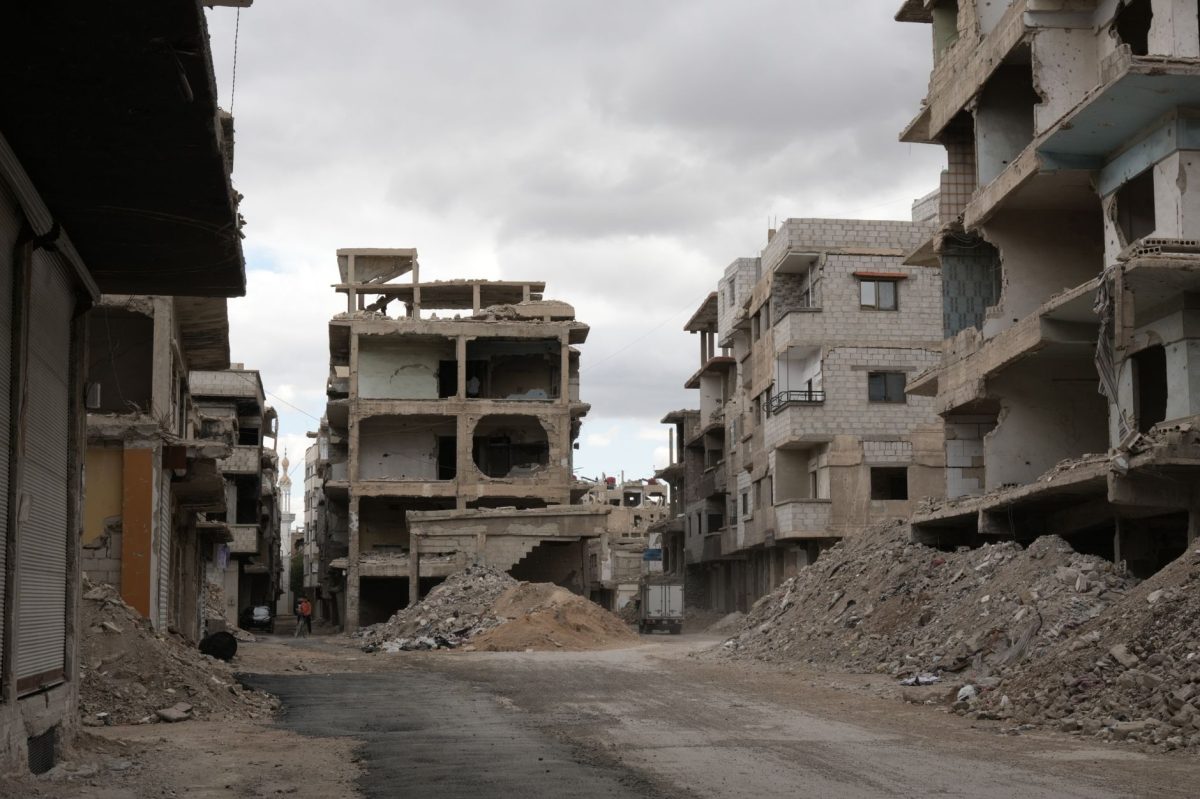
The outbreak of war and conflict in various parts of the world raises concerns about personal safety. Whether you're a traveler, expat, or resident in a war-torn area, staying safe is crucial. In this guide, you'll learn practical tips to protect yourself and your loved ones in the midst of conflict.
Step 1: **Stay Informed** About the Conflict
Stay up-to-date with the latest news and developments in the conflict area. Follow reputable news sources, such as the BBC, Al Jazeera, and local news outlets. Register with your government's travel advisory website to receive important safety and security updates. Use the 'Google News' app to set up alerts for specific keywords related to the conflict.
Step 2: **Identify Safe Zones** and Evacuation Routes
Familiarize yourself with the local geography and identify safe zones, such as embassies, consulates, and other secure locations. Learn the evacuation routes and procedures in case of an emergency. Use online mapping tools like Google Maps or MapQuest to plan your escape routes and identify safe locations. Consider purchasing a portable GPS device or a personal locator beacon (PLB) for added safety
Step 3: **Create a Safety Plan** with Your Loved Ones
Develop a comprehensive safety plan with your family, including emergency contact numbers, meeting points, and evacuation procedures. Designate a trusted contact person outside the conflict area to receive updates and serve as a communication link. Make sure all family members have a copy of the safety plan and know how to contact each other in case of separation. Use online collaboration tools like Trello or Asana to create and share the safety plan.
Step 4: **Stay Connected** with Your Support Network
Maintain regular communication with your support network, including family, friends, and colleagues. Use social media platforms, messaging apps like WhatsApp or Signal, and video conferencing tools like Zoom or Skype to stay in touch. Consider investing in a satellite phone or a portable Wi-Fi hotspot for reliable communication. Use online platforms like the Red Cross's 'Restoring Family Links' service to reconnect with loved ones separated by conflict.
Step 5: **Prepare an Emergency Kit**
Assemble an emergency kit with essential items, such as a first-aid kit, non-perishable food, water, and a battery-powered radio. Include important documents, such as passports, ID cards, and insurance policies, in a waterproof container. Use online checklists like the American Red Cross's 'Emergency Preparedness' guide to ensure you have everything you need. Store the kit in an easily accessible location and review it regularly to ensure it remains up-to-date.
Consider taking a first aid course or seeking training in emergency response, such as CPR or conflict zone survival, to enhance your safety skills.
By following these 5 steps, you'll be better equipped to stay safe during war zones and conflict areas. Remember to stay informed, identify safe zones, create a safety plan, stay connected, and prepare an emergency kit. Stay vigilant, and prioritize your safety and the safety of your loved ones.