How To Leverage Cultural Heritage For Business Growth
Unlock the Power of Traditional Crafts to Boost Entrepreneurial Success
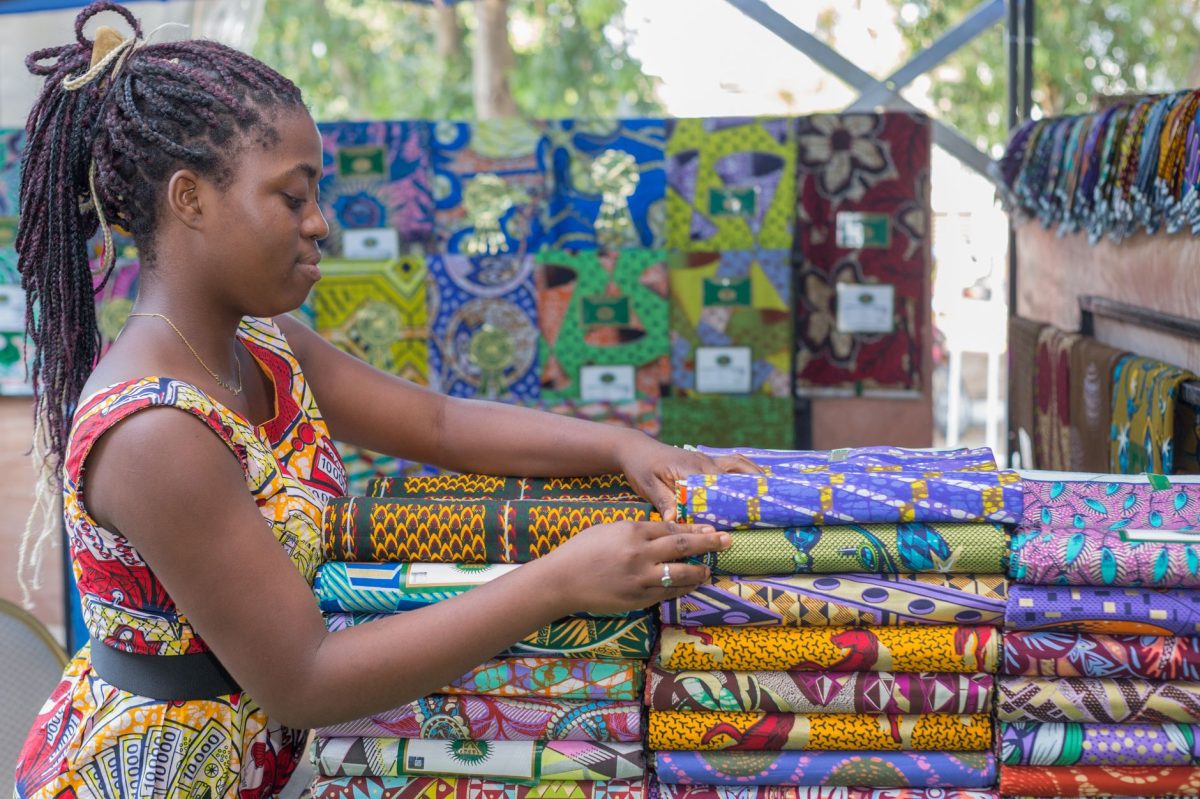
Are you looking for innovative ways to grow your business while promoting cultural heritage? By leveraging traditional crafts, you can tap into a market that values unique and sustainable products. In this guide, you'll learn how to successfully integrate cultural heritage into your business strategy.
Step 1: Identify Your Cultural Heritage Asset
Begin by researching your cultural heritage and identifying a traditional craft or skill that aligns with your business goals. Consider visiting local communities, attending cultural events, or consulting with experts to gain a deeper understanding of the craft's history and significance. For example, if you're interested in Mali's bogolan textile craft, you can learn about its symbolism, production process, and market demand.
Step 2: Develop a Sustainable Production Process
Once you've identified your cultural heritage asset, work with artisans and suppliers to develop a sustainable production process. This may involve sourcing materials locally, implementing eco-friendly practices, or investing in fair trade certification. For instance, you can partner with a local textile cooperative in Mali to produce bogolan fabrics using natural dyes and traditional techniques.
Step 3: Create a Unique Value Proposition
Develop a compelling value proposition that highlights the unique features and benefits of your cultural heritage-based products. This may involve emphasizing the artisanal craftsmanship, cultural significance, or sustainable production methods. For example, you can emphasize the hand-dyed nature of bogolan fabrics, the fair trade practices involved in their production, or the cultural significance of the designs used.
Step 4: Build a Strong Online Presence
Establish a strong online presence through social media, e-commerce platforms, and content marketing. Utilize platforms like Etsy or eBay to showcase your products, and consider working with influencers or bloggers in the sustainable fashion or cultural heritage niches. For instance, you can create a social media campaign highlighting the story behind your bogolan fabrics and the artisans who create them.
Step 5: Engage with Your Target Audience
Connect with your target audience through events, workshops, or webinars that showcase your cultural heritage-based products. This may involve partnering with cultural institutions, community centers, or online platforms to reach a wider audience. For example, you can host a workshop on traditional textile dyeing techniques or partner with a cultural festival to showcase your bogolan fabrics.
Step 6: Monitor and Evaluate Your Progress
Regularly monitor and evaluate your progress by tracking sales, customer feedback, and social media engagement. Use this data to refine your business strategy, adjust your marketing efforts, and improve your production processes. For instance, you can use Google Analytics to track website traffic and sales, and adjust your social media strategy based on engagement metrics.
Consider partnering with local government agencies, NGOs, or community organizations to access funding, resources, and expertise that can help you develop your cultural heritage-based business.
By following these steps, you can unlock the power of cultural heritage to drive business growth and promote sustainable entrepreneurship. Remember to stay adaptable, focus on quality, and continuously evaluate your progress to ensure long-term success.