How To Protect Your Community From Healthcare Disruptions During a Crisis
Learn the best ways to prepare your community for unexpected healthcare disruptions and minimize their impact
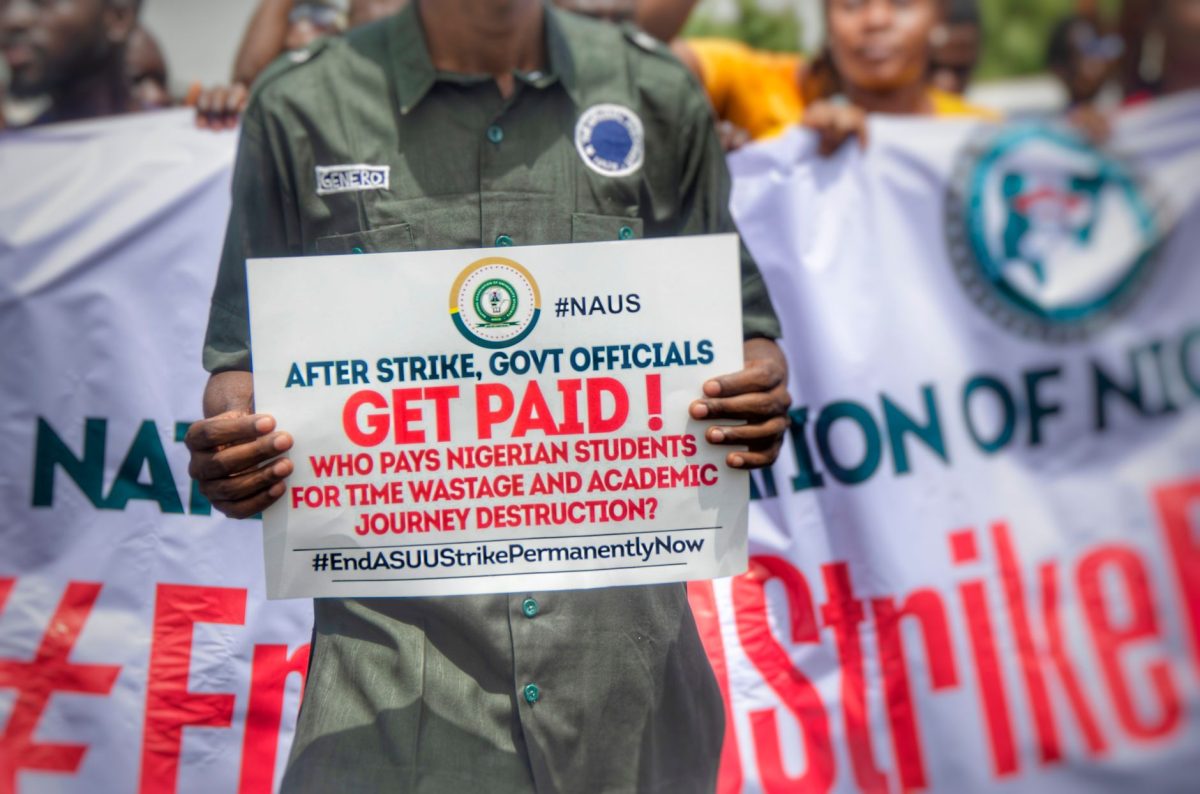
Healthcare disruptions can have devastating consequences for communities, especially in crisis situations like the Ebola outbreak in Congo. When health workers go on strike or are unable to provide care, patients suffer. Fortunately, with some planning and preparation, you can help protect your community from healthcare disruptions and ensure they receive the care they need.
Step 1: **Identify Vulnerable Populations**
The first step in preparing your community for healthcare disruptions is to identify the populations that are most vulnerable to the consequences of a crisis. This may include the elderly, young children, and those with pre-existing medical conditions. You can use data from local health departments or organizations that serve these populations to get a better understanding of who is at risk. For example, you can use the CDC's Social Vulnerability Index (SVI) tool to get a snapshot of your community's vulnerability.
Step 2: **Develop an Emergency Response Plan**
Once you have identified the vulnerable populations in your community, it's time to develop an emergency response plan. This plan should outline how your community will respond to a healthcare disruption, including how you will provide care to patients and how you will communicate with the public. Consider using a template like the one provided by the National Association of Counties (NACo) to get started. Your plan should include provisions for alternative care sites, transportation, and staff training.
Step 3: **Build Partnerships with Healthcare Providers**
Building partnerships with healthcare providers is crucial to ensuring that your community receives the care it needs during a healthcare disruption. Reach out to local hospitals, clinics, and other healthcare organizations to see if they would be willing to participate in your emergency response plan. Consider using a tool like the Healthcare Provider Directory to find and connect with healthcare providers in your area.
Step 4: **Communicate Effectively with the Public**
Communication is key during a healthcare disruption. Your community needs to be informed about what is happening and what they can do to prepare. Consider using social media to disseminate information and create a community outreach plan that includes multiple channels of communication. Make sure to use clear and simple language to help your community understand the situation and the response plan.
Step 5: **Conduct Regular Drills and Training**
Finally, it's essential to conduct regular drills and training to ensure that your community is prepared to respond to a healthcare disruption. This can include tabletop exercises, field exercises, and staff training sessions. Consider using a tool like the Emergency Management Accreditation Program (EMAP) to evaluate your community's preparedness and identify areas for improvement.
Don't forget to involve your community in the planning and decision-making process. This will help build trust and ensure that everyone is on the same page when it comes to responding to a healthcare disruption.
By following these steps, you can help protect your community from healthcare disruptions during a crisis. Remember to stay vigilant, communicate effectively with the public, and be prepared to adapt your response plan as needed. This will help minimize the impact of healthcare disruptions and ensure that your community receives the care it needs.