How To Identify And Challenge Anti-Muslim Stereotypes In 7 Steps
Learn how to critically evaluate media and promote inclusive public discourse
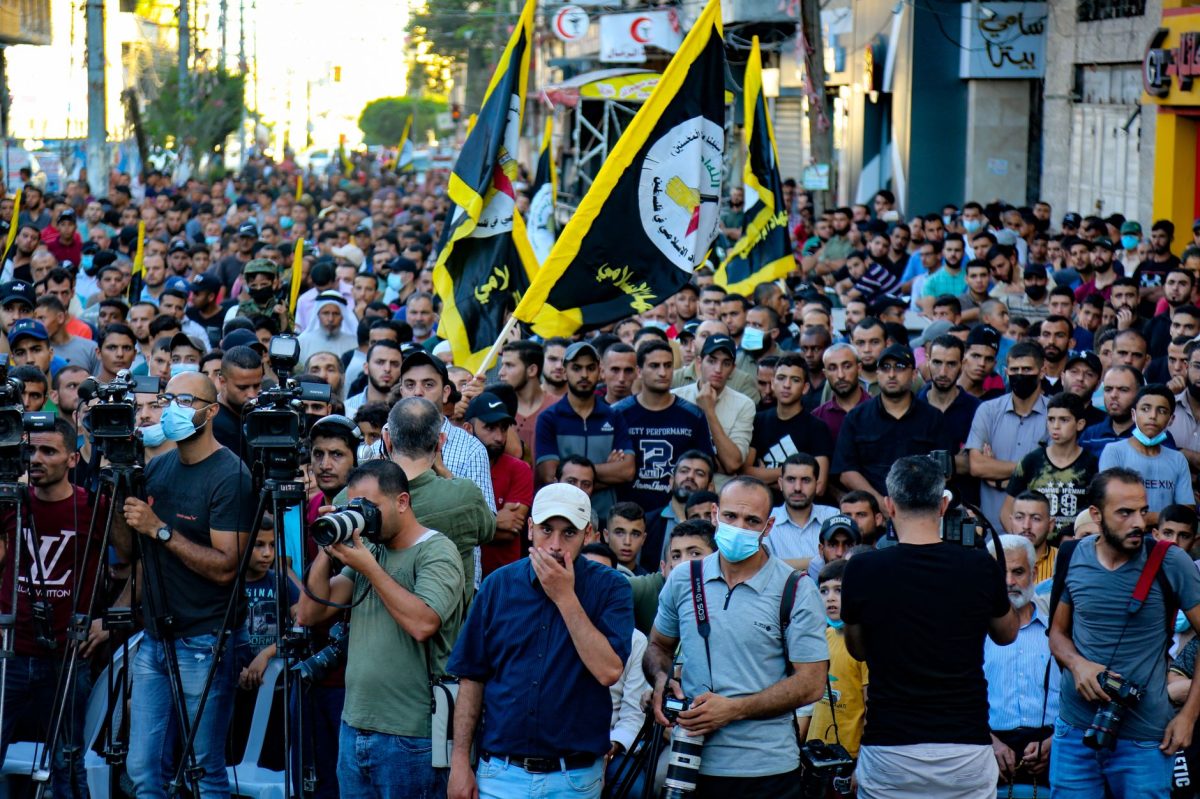
The spread of misinformation and prejudice can be subtle, but it's essential to recognize and challenge anti-Muslim stereotypes in the media. As we navigate the complexities of public discourse, it's crucial to develop a critical eye and learn how to promote inclusive representation. In this guide, you'll discover 7 practical steps to identify and challenge anti-Muslim stereotypes, empowering you to create a more inclusive and respectful environment.
Step 1: **Recognize** The Signs Of Anti-Muslim Bias In Media
Start by familiarizing yourself with common tropes and stereotypes associated with Muslims. Look for words or phrases that perpetuate negative attitudes, such as 'Islamic extremism' or 'terrorist.' Be cautious of language that reduces an entire community to a single characteristic. For example, using terms like 'Muslim extremist' instead of 'extremist of any faith.'
Step 2: **Analyze** The Context And Purpose Behind Media Content
Consider the context and purpose behind the media content. Is it a news report, an opinion piece, or a social media post? Identify the author's credentials and potential biases. Think about the audience and how the content might be perceived. Ask yourself, 'What is the author trying to achieve?' and 'Who is the intended audience?'
Step 3: **Evaluate** The Sources And Evidence Presented
Assess the credibility of the sources cited in the media content. Look for primary sources, such as academic research or expert opinions. Be wary of biased or agenda-driven sources. Check if the evidence presented is based on facts or emotions. For example, using statistics to support a claim or relying on personal anecdotes. Use fact-checking websites like Snopes or FactCheck.org to verify information.
Step 4: **Consider** Multiple Perspectives And viewpoints
Seek out diverse voices and perspectives to provide a more nuanced understanding of the issue. Listen to Muslim scholars, activists, and experts. Look for articles, books, or documentaries that offer alternative viewpoints. Engage in constructive dialogue with others, even if you disagree. Encourage open-mindedness and empathy in online discussions.
Step 5: **Challenge** Anti-Muslim Stereotypes And Biases
Once you've identified anti-Muslim stereotypes, challenge them by providing evidence-based counterarguments. Use Twitter Threads or Facebook posts to share your thoughts and engage with others. Join online communities or forums focused on media literacy and critical thinking. Support organizations that promote inclusive representation and counteract prejudice.
Step 6: **Promote** Inclusive Representation And Respectful Language
Encourage the use of respectful language and inclusive representation in media. Suggest alternative headlines or article titles that accurately reflect the content. Participate in online discussions and share articles that promote positive representations of Muslims. Support media outlets that prioritize inclusivity and diversity. For example, The Guardian, Al Jazeera, or The Muslim News.
Step 7: **Reflect** On Your Own Biases And Actions
Recognize that you, too, may hold biases or stereotypes. Be honest with yourself and reflect on your actions. Consider how your words and actions might impact others. Make a conscious effort to challenge your own biases and assumptions. Take ownership of your mistakes and apologize when necessary. Use this newfound self-awareness to become a more effective advocate for inclusive media and respectful public discourse.
Remember that challenging stereotypes and biases is an ongoing process that requires continuous learning and self-reflection. Stay vigilant and adapt to new information and perspectives.
By following these 7 steps, you've empowered yourself to identify and challenge anti-Muslim stereotypes in media. You've taken the first step towards creating a more inclusive and respectful environment. Continue to educate yourself, engage in critical thinking, and promote positive representations of Muslims in media.