How To Analyze Bird Songs Like A Scientist In 10 Steps
Unlock the secrets of birdsong and learn how to identify different species using acoustic analysis
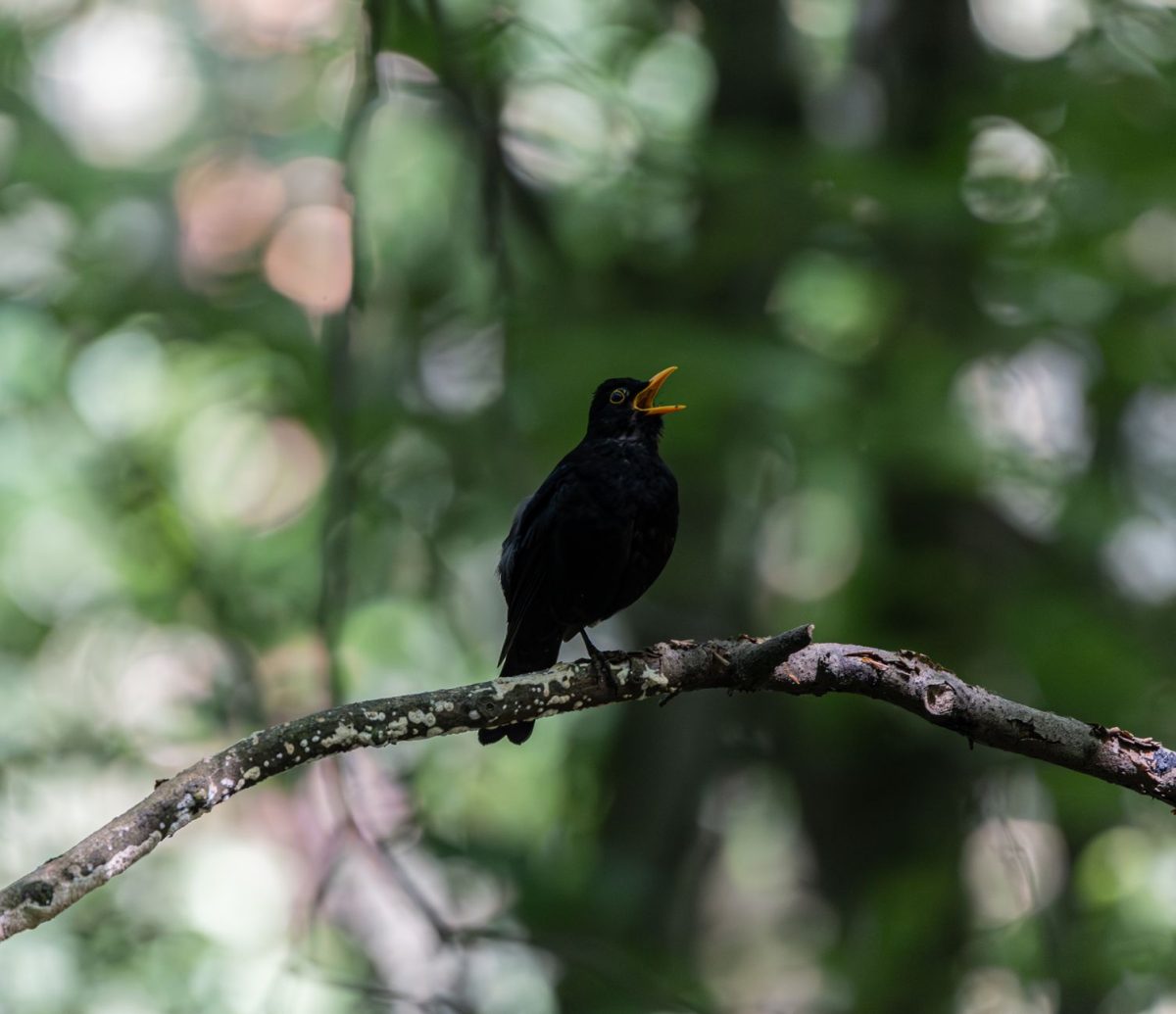
Are you fascinated by the diverse range of bird songs? By understanding the acoustic secrets behind birdsong, you can learn to identify different species and appreciate the complexity of their vocalizations. In this guide, we'll walk you through the 10 steps to analyze bird songs like a scientist.
Step 1: Choose a Recording Software **Like Audacity**
Select a reliable digital audio software, such as Audacity, to record and edit bird sounds. This will be the foundation for your bird song analysis. Make sure to set the sampling rate to at least 44.1 kHz for accurate results.
Step 2: Identify the Key Features of Bird Songs
Listen to recordings of various bird species and note the key features of their songs, such as frequency, amplitude, and rhythm. Pay attention to the unique characteristics of each species, like the presence of whistles, chirps, or trills.
Step 3: Use Sound Analysis Tools **Like Praat**
Utilize sound analysis tools, like Praat, to visualize the frequency spectrum of bird songs. This will help you identify patterns and characteristics that are unique to each species. Experiment with different filters and settings to refine your analysis.
Step 4: Measure Frequency and Amplitude
Use the software to measure the frequency and amplitude of bird songs. Take note of the range of frequencies, the maximum amplitude, and the overall pattern of the song. This will help you distinguish between different species.
Step 5: Analyze Rhythm and Timing
Examine the rhythm and timing of bird songs, including the number of syllables, the duration of each syllable, and the overall pattern of the song. This will help you identify species with unique rhythmic patterns.
Step 6: Look for Patterns and Variations
Identify patterns and variations in bird songs, such as repetition, alternation, or combination of different sounds. This will help you understand the complexity of bird vocalizations and identify species with unique patterns.
Step 7: Use Machine Learning **Like BirdNet**
Utilize machine learning algorithms, like BirdNet, to analyze and identify bird species based on their songs. This can be a powerful tool for automating the analysis process and making predictions about species identity.
Step 8: Consult Field Guides and Resources
Consult field guides, online resources, and expert databases to cross-reference your analysis and confirm species identity. This will help you refine your skills and increase accuracy.
Step 9: Practice and Refine Your Skills
Practice analyzing bird songs regularly to develop your skills and refine your ability to identify species. Listen to a variety of recordings and try to identify the species, then consult resources to verify your results.
Step 10: Share Your Findings and Collaborate
Share your findings with the birding community, either online or in-person, to collaborate with other enthusiasts and experts. This will help you learn from others, refine your skills, and contribute to our understanding of bird vocalizations.
Many bird species have unique dialects or regional variations, so be sure to account for these differences in your analysis.
By following these 10 steps, you'll be able to analyze bird songs like a scientist and identify different species using acoustic analysis. Remember to practice regularly and consult resources to refine your skills. Next, try analyzing bird songs from different regions or species to further challenge your skills.