How To Save Water During a Drought: 5 Tips for 2026
Stay hydrated and reduce your water bill with these practical tips for managing water usage during a drought
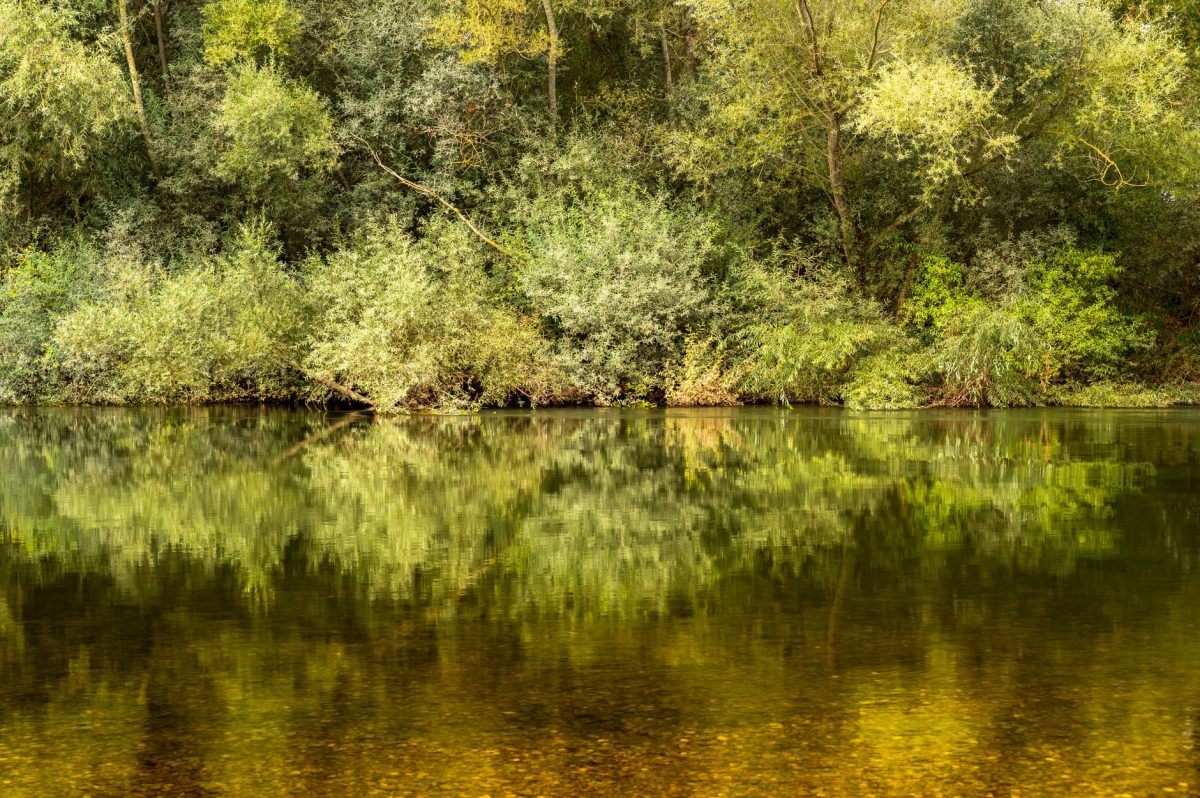
With record-low river levels and potential drought declarations on the rise, it's essential to take proactive steps to conserve water and reduce your environmental impact. By implementing simple changes to your daily routine and home, you can make a significant difference and stay safe during a drought. In this guide, you'll learn how to save water and stay hydrated with 5 easy and actionable tips.
Step 1: **Conduct a Water Audit**
Start by assessing your current water usage by checking your water bills, meter readings, and observing your household's water habits. Use online tools like the EPA's WaterSense calculator to estimate your water usage and identify areas for improvement. This will help you set realistic goals and prioritize changes to your water usage.
Step 2: Fix Leaks and Install Low-Flow Fixtures
Dripping faucets and leaky toilets can waste significant amounts of water each day. Make it a habit to regularly inspect your pipes, faucets, and toilets for leaks, and replace worn-out parts immediately. Consider installing low-flow showerheads, toilets, and faucets to reduce your water usage and save money on your water bill.
Step 3: Use Rainwater Harvesting Systems
Consider installing a rainwater harvesting system to collect and store rainwater for non-potable uses like watering plants, washing cars, or flushing toilets. This will not only reduce your water bill but also minimize stormwater runoff and alleviate pressure on local water supplies.
Step 4: Optimize Your Irrigation System
If you have a lawn or garden, optimize your irrigation system by installing smart sensors, timers, and drip irrigation systems. These tools will help you water your plants efficiently and reduce waste by targeting specific areas that need watering. Aim to water your lawn only when necessary, and use a broom or hose to clean driveways and sidewalks instead of a sprinkler system.
Step 5: Educate Yourself and Others
Stay informed about local water conservation efforts, drought updates, and best practices for managing water usage. Share your knowledge with family and friends, and encourage them to adopt water-saving habits. You can also participate in community initiatives, such as water-saving challenges or conservation events, to make a collective impact.
Consider investing in a grey water system, which allows you to reuse water from sinks, showers, and washing machines for irrigation and flushing toilets. This can significantly reduce your water bill and minimize stormwater runoff.
By implementing these 5 tips and staying committed to water conservation, you'll not only reduce your environmental impact but also save money on your water bill. Remember to educate yourself and others on the importance of water management, and work together to create a more sustainable future.