How To Protect Your Home From Natural Disaster Damages
6 Essential Steps to Minimize Losses and Secure Your Finances
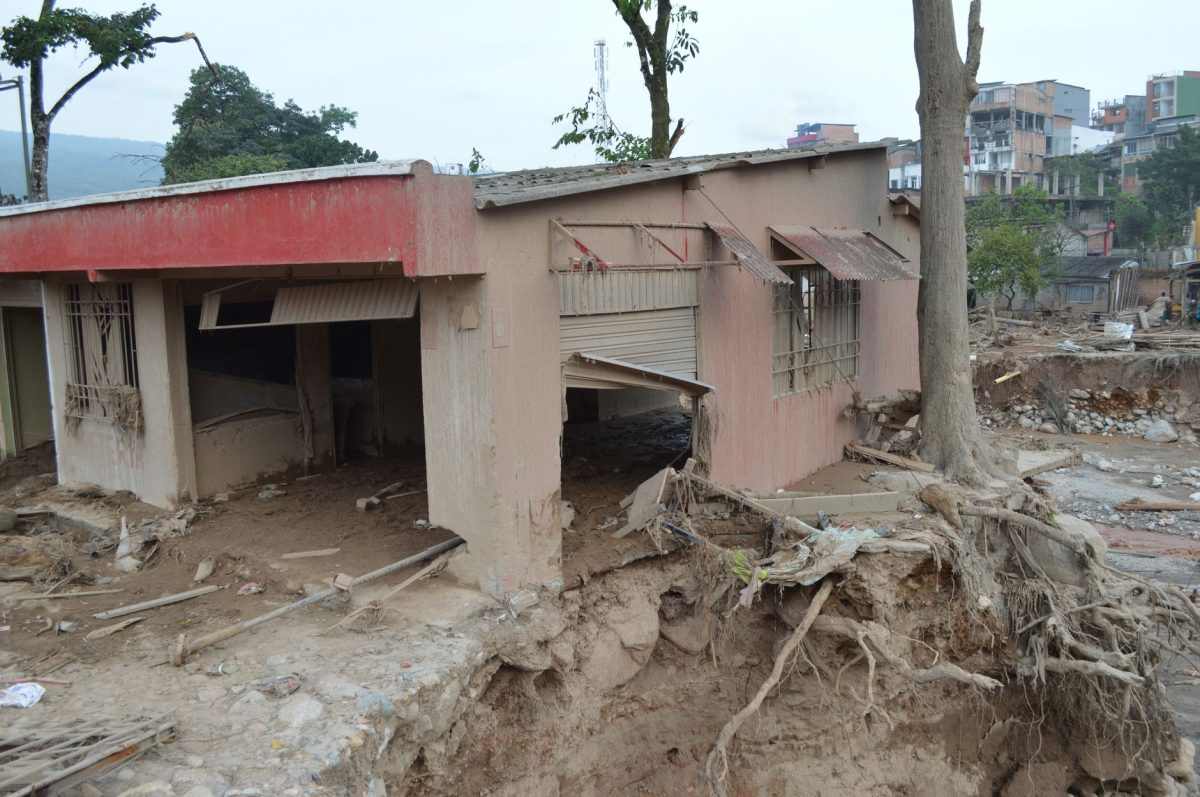
With devastating earthquakes striking countries like Venezuela, it's essential to take proactive steps to protect your home and finances from natural disaster damages. In this guide, we'll walk you through the best ways to minimize losses and secure your financial future. Follow these 6 steps to prepare your home and family for potential disasters.
Step 1: **Conduct a Home Risk Assessment**
Identify potential hazards in your home, such as earthquake-prone areas, flood zones, or storm-prone regions. Use online tools like the USGS's Earthquake Hazards Program or the Federal Emergency Management Agency's (FEMA) Flood Map Tool to assess your risk level. This will help you prioritize areas for improvement and allocate resources effectively.
Step 2: **Secure Your Home's Foundation**
Ensure your home's foundation is sturdy and well-maintained. Check for any signs of damage or weakness in the foundation, walls, or roof. Consider consulting a professional contractor or structural engineer to evaluate your home's stability and recommend necessary repairs.
Step 3: **Implement Earthquake-Proofing Measures**
Install earthquake-resistant materials and devices, such as seismic-resistant drywall anchors and earthquake straps, to secure heavy objects like furniture and appliances. Consider using earthquake-resistant fasteners and screws to reinforce your home's structure.
Step 4: **Create an Emergency Fund**
Set aside a portion of your income each month to build an emergency fund that covers 3-6 months of living expenses. This fund will help you recover from financial setbacks caused by natural disasters. Consider opening a dedicated savings account or investing in a high-yield savings account.
Step 5: **Develop a Disaster Recovery Plan**
Create a comprehensive disaster recovery plan that outlines evacuation procedures, emergency contact information, and a list of essential supplies. Designate a meeting point for your family in case you get separated during an emergency. Practice your plan regularly to ensure everyone knows what to do in case of a disaster.
Step 6: **Review and Update Your Insurance Coverage**
Review your home and insurance policies to ensure they cover natural disasters and potential damages. Update your coverage limits, deductibles, and policy terms to reflect your changing needs. Consider purchasing additional coverage for high-value items, such as jewelry, artwork, or collectibles.
Regularly inspect and maintain your home's roof, gutters, and downspouts to prevent water damage and reduce the risk of collapses.
By following these 6 essential steps, you'll be better equipped to protect your home and finances from natural disaster damages. Remember to review and update your emergency plan and insurance coverage regularly to ensure you're prepared for any situation.