How To Stay Safe During Protests: 10 Essential Steps
Protect Yourself and Others in the Face of Crowds and Conflict
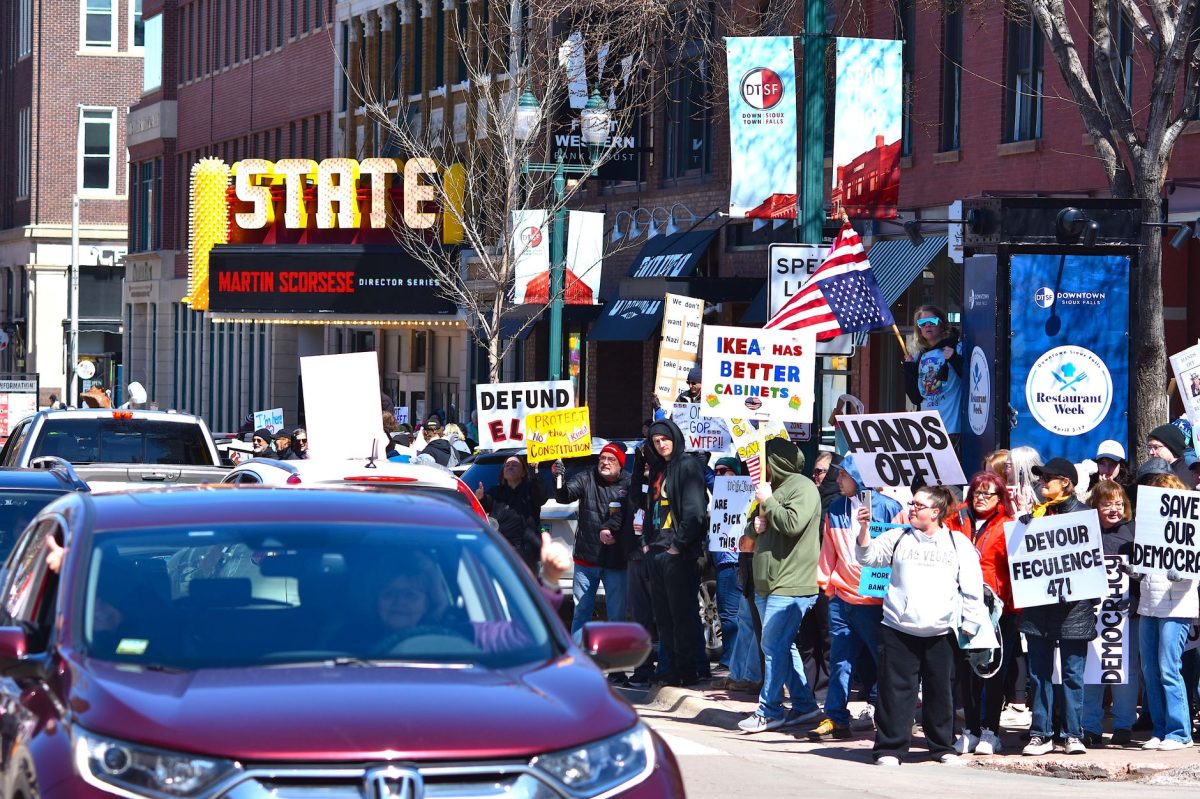
Protests can be a powerful way to bring about change, but they can also be a recipe for disaster if you're not prepared. In recent times, protests have turned violent, and it's essential to know how to stay safe. In this guide, we'll walk you through the 10 essential steps to stay safe during protests.
Step 1: Research the Protest and Its History
Before attending a protest, research the cause, the organizers, and the history of the movement. Look for information on previous protests, police responses, and any potential risks. This will help you understand the situation and make informed decisions. You can use online resources like news articles, social media, and protest websites to gather information. Be aware of the protest's tone and potential for escalation.
Step 2: Plan Your Attendance
Plan your attendance in advance, considering factors like the location, time, and duration of the protest. Arrive early to secure a safe spot and avoid crowded areas. Bring necessary items like water, snacks, and a first-aid kit. Know the protest's rules and regulations.
Step 3: Dress Appropriately
Dress in comfortable, flexible clothing that allows for ease of movement. Avoid wearing anything that could be used as a weapon or that may attract unwanted attention. Wear closed-toe shoes and consider bringing a hat or sunglasses to protect yourself from the sun. Dress for the environment.
Step 4: Stay Informed
Stay informed about the protest's developments through social media, news, and text messages. Keep an eye on official protest accounts and local news outlets for updates on the situation. This will help you stay aware of any changes or potential risks. Follow trusted sources.
Step 5: Know Your Rights
Understand your rights as a protester, including the right to free speech, peaceful assembly, and protection from police brutality. Familiarize yourself with local laws and regulations regarding protests. This will help you navigate any interactions with law enforcement. Know your rights before exercising them.
Step 6: Stay with a Group
Stay with a group of friends or fellow protesters to provide mutual support and protection. This can also help you stay aware of your surroundings and respond to any situations that may arise. Stay together.
Step 7: Avoid Confrontation
Avoid confrontations with police or other protesters, which can escalate quickly. Stay calm and composed, and try to de-escalate any situations that may arise. Maintain a safe distance.
Step 8: Be Aware of Your Surroundings
Be aware of your surroundings, including the location of exits, emergency services, and potential sources of danger. Keep an eye on your belongings and keep valuables secure. Stay vigilant.
Step 9: Follow Police Instructions
Follow police instructions, but be aware of your rights and the potential for police brutality. If you're asked to disperse, do so calmly and safely. Know when to leave.
Step 10: Have an Emergency Plan
Have an emergency plan in place, including a meeting point, contact information, and a plan for how to get home safely. This will help you respond to any unexpected situations. Be prepared for emergencies.
Many protests have designated 'safety teams' or 'medics' who can provide support and assistance. Look for these teams and get involved if you can. They can be a valuable resource for staying safe and providing aid to others.
By following these 10 essential steps, you can stay safe during protests and contribute to a positive and peaceful atmosphere. Remember to stay informed, plan ahead, and be aware of your surroundings. With these tips, you'll be better equipped to handle any situation that may arise.