How To Safely Report in Conflict Zones: 5 Essential Steps
Protect yourself and your sources in high-risk areas with these actionable tips
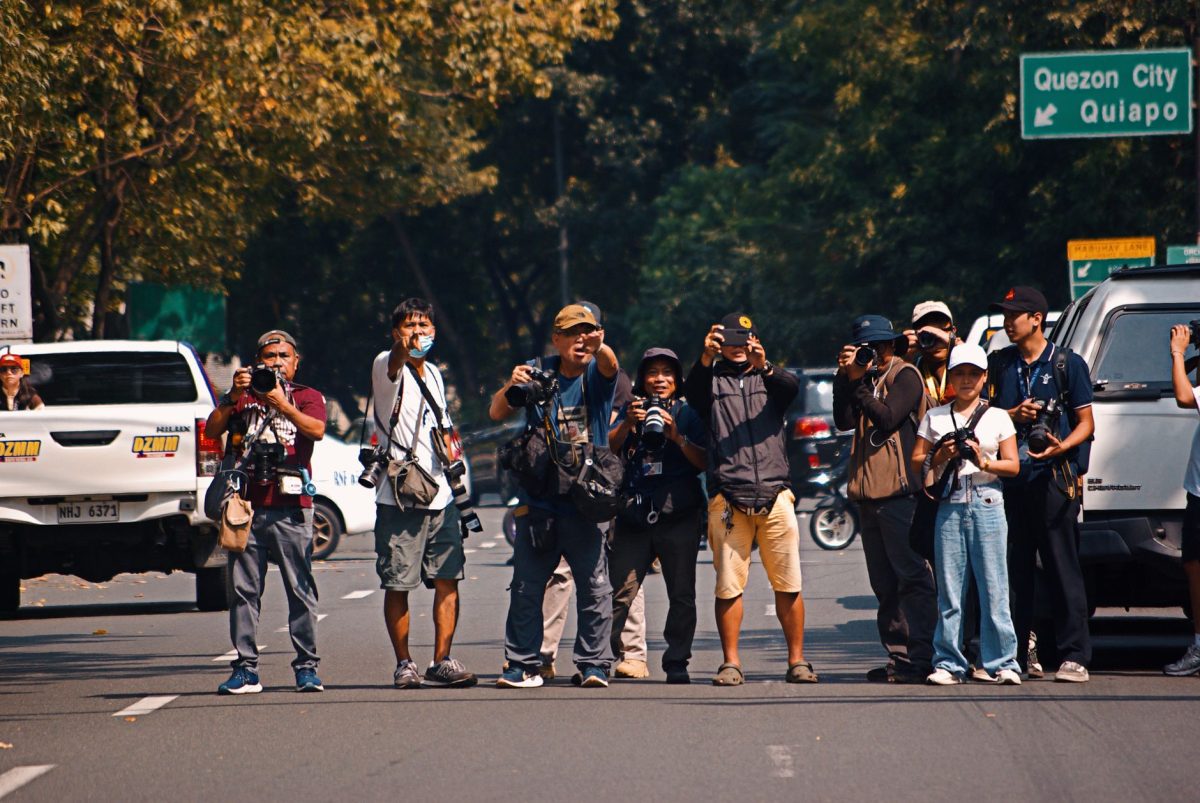
Journalists often put themselves at risk when reporting in conflict zones, but with the right preparation and precautions, you can stay safe. In areas like the Democratic Republic of Congo, the threat of violence against reporters is real. This guide will show you how to safely report in conflict zones, protecting yourself and your sources.
Step 1: **Conduct Thorough Research**
Before heading to a conflict zone, research the area, local customs, and local laws. Look for reports from other journalists, humanitarian organizations, and government agencies to understand the situation. This will help you anticipate potential dangers and plan your trip accordingly.
Step 2: **Develop a Safety Plan**
Create a safety plan with your team, including emergency contact numbers, evacuation routes, and backup communication channels. Identify potential risks and plan how to mitigate them. This should also include a plan for securing your equipment and protecting your sources.
Step 3: **Stay Informed and Adaptable**
Stay up-to-date with the latest developments in the conflict zone through reliable news sources and social media. Be prepared to adapt your plans if the situation changes rapidly. Keep in touch with your team and local sources for real-time information.
Step 4: **Protect Your Identity and Sources**
Use encryption and secure communication tools, such as Signal or WhatsApp, to protect your sources and sensitive information. Avoid revealing your location or sharing personal details on social media. When interviewing sources, consider using pseudonyms or anonymous quotes.
Step 5: **Have an Exit Plan**
Always have a contingency plan for leaving the conflict zone quickly, including a safe way to transport your equipment and yourself. Identify potential evacuation routes and have a plan for securing your belongings. Consider registering with your home country's embassy or consulate for assistance in case of an emergency.
Many journalists underestimate the importance of mental health in high-stress situations. Make sure to prioritize self-care and seek support from colleagues, friends, or mental health professionals if needed.
By following these essential steps, you can reduce the risks associated with reporting in conflict zones. Remember to stay vigilant, adaptable, and informed to ensure your safety and the safety of your sources. Next, consider taking a journalism safety course or seeking guidance from experienced journalists.