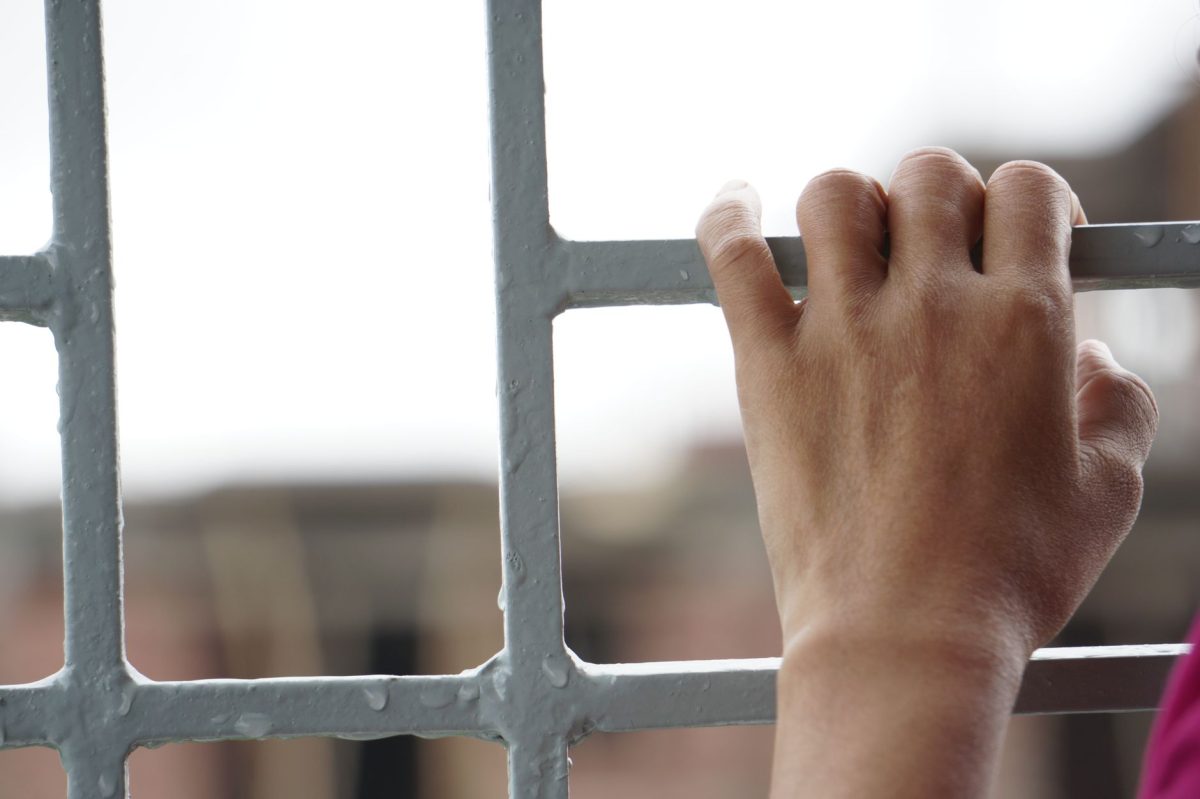
How To Report Child Abuse: Protecting Vulnerable Children in 7 Steps
Empower Yourself with the Knowledge to Identify and Address Child Exploitation

Every year, countless children fall victim to abuse and exploitation. As a responsible individual, it's essential to know how to report child abuse effectively. In this guide, we'll walk you through the 7 critical steps to identify and address child exploitation, empowering you to make a difference in your community. Learn how to recognize the signs, gather evidence, and report suspicious cases to the authorities.
Step 1: Recognize the **Signs of Child Abuse**
Child abuse can take many forms, including physical, emotional, and sexual exploitation. Be aware of the common signs, such as unexplained injuries, withdrawn behavior, or unusual friendships with adults. Use the National Child Abuse Hotline's online guide to identify potential warning signs and take note of any suspicious behavior. This will help you gather evidence and prepare for reporting.
Step 2: Gather **Evidence and Documentation**
Once you've identified a potential case of child abuse, start collecting evidence and documentation. Take photographs or videos of injuries, keep a record of interactions with the child, and note any suspicious emails or messages. Utilize digital tools like Evernote or OneNote to store and organize your findings, making it easier to present to authorities.
Step 3: Identify the Best **Reporting Method**
In India, you can report child abuse to local authorities, such as the police or child welfare committees. Use the National Commission for Protection of Child Rights (NCPCR) website to find the contact information of your local authorities and report the case accordingly. Alternatively, you can also contact the Childline India 1098 helpline for immediate assistance.
Step 4: Know Your **Local Laws and Regulations**
Familiarize yourself with the child protection laws and regulations in your region. In India, the Protection of Children from Sexual Offenses (POCSO) Act provides comprehensive guidelines for reporting and investigating child abuse cases. Visit the official government website or consult with a legal expert to ensure you're aware of the specific laws and procedures in your area.
Step 5: **Stay Anonymous if Necessary**
If you're concerned about your safety or the child's well-being, consider reporting anonymously. Many organizations, such as the Childline India helpline, offer anonymous reporting options. Use a secure and private internet connection to report the case, and avoid sharing any personal identifying information.
Step 6: **Report to Multiple Authorities**
In some cases, it may be necessary to report child abuse to multiple authorities. Contact both local and national organizations, such as the National Commission for Protection of Child Rights (NCPCR), to ensure that the case is thoroughly investigated and addressed. This will also help you verify that the report has been received and acted upon.
Step 7: **Follow Up and Support the Child**
After reporting the case, follow up with the authorities to ensure that the child is receiving the necessary support and care. Volunteer with local organizations or donate to reputable charities that provide assistance to victims of child abuse. This will help you stay informed about the case's progress and contribute to the child's recovery and well-being.
Many child abuse cases go unreported due to fear of retaliation or social stigma. Remember that reporting child abuse is a civic duty, and you have the power to make a difference in the life of a vulnerable child.
By following these 7 steps, you've empowered yourself to identify and address child exploitation. Remember, reporting child abuse is a critical step in protecting vulnerable children and bringing perpetrators to justice. Take action today and make a positive impact in your community.