How To Prepare For Floods: A 7 Step Guide 2026
Stay Safe and Protect Your Home from Devastating Floods with These Essential Steps
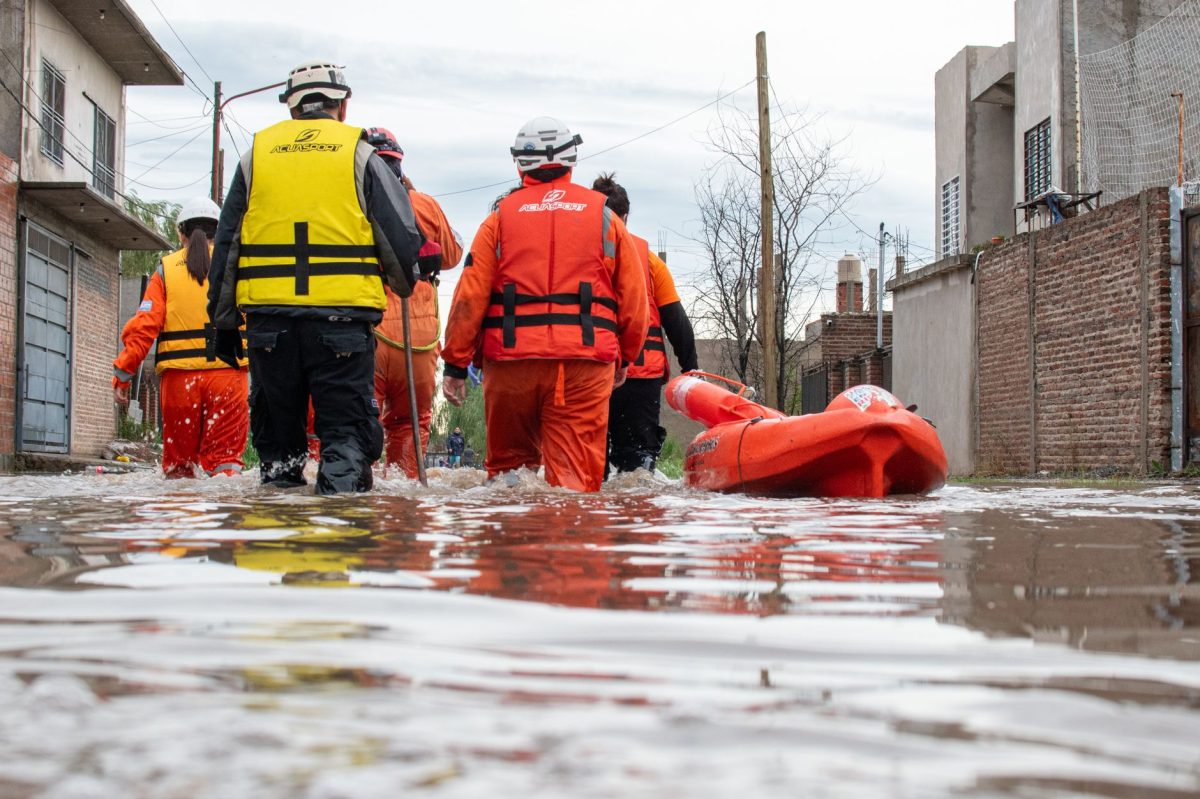
As Texas experiences its second year of devastating floods, it's essential to be prepared and know how to stay safe. In this guide, we'll walk you through the crucial steps to protect your home and loved ones from the impact of floods. Follow these 7 steps to ensure you're ready for the unexpected.
Step 1: **Assess Your Risk**
Understand the flood risk in your area by checking with your local government or searching online for flood maps. Identify the areas in your home that are most vulnerable to flooding, such as the basement or lowest level. Consider the elevation of your home and the surrounding terrain to determine your flood risk. For example, use the Federal Emergency Management Agency's (FEMA) flood map tool to see if your area is at risk.
Step 2: Create a Flood Emergency Plan
Develop a plan with your family that includes evacuation routes, emergency contact numbers, and a meeting point in case you get separated. Make sure all family members know the plan and practice it regularly. Consider setting up a flood emergency kit with essential items like non-perishable food, bottled water, and a first aid kit. You can use a tool like the American Red Cross's Emergency App to create a personalized emergency plan.
Step 3: **Elevate and Waterproof**
Install check valves in your drains to prevent water from backing up into your home. Raise your electrical outlets, switches, and any other electrical components to at least 12 inches above the projected flood level. Use a waterproof sealant to protect your walls and floors from water damage. For example, use a product like Xypex to seal your basement walls and prevent water infiltration.
Step 4: Insure Your Home
Make sure you have flood insurance to protect your home and belongings in case of a flood. Check with your insurance provider to see if you're eligible for additional coverage. Consider purchasing a flood insurance policy through the National Flood Insurance Program (NFIP). You can use a tool like the NFIP's Flood Insurance Rate Map (FIRM) to determine your flood risk and get a quote.
Step 5: **Stock an Emergency Kit**
Assemble a flood emergency kit with essential items like non-perishable food, bottled water, and a first aid kit. Make sure to include a battery-powered radio, flashlight, and extra batteries. Consider adding a portable charger for your phone and other essential devices. You can use a tool like the REI Co-op's Emergency Kit Checklist to ensure you have everything you need.
Step 6: Stay Informed
Stay up-to-date with the latest weather forecasts and flood warnings by signing up for emergency alerts from your local government or using a tool like the National Weather Service's (NWS) Weather Forecast Office. Keep a battery-powered radio and a NOAA Weather Radio on hand to receive critical information. Consider investing in a flood monitoring device, such as a water level sensor, to stay informed about the water levels in your area.
Step 7: Maintain Your Home
Regularly inspect your home's drains and gutters to ensure they're clear of debris and functioning properly. Check your sump pump and backup system to make sure they're working correctly. Consider hiring a professional to inspect your home's foundation and walls for any signs of water damage or weakness. For example, use a tool like the HomeAdvisor's Home Inspection Checklist to ensure you're on top of maintenance.
Don't wait until it's too late – stay informed and be prepared for floods by following these essential steps. Remember, flood preparedness is an ongoing process, and it's essential to stay vigilant to protect your home and loved ones.
By following these 7 steps, you'll be well-prepared to face the challenges of floods and keep your home and loved ones safe. Remember to stay informed, maintain your home, and take action to protect yourself from the impact of floods. Next step: review your flood insurance policy and make sure you have the right coverage in place.