How To Stay Safe When Reporting Conflict Zones
A 5-Step Guide to Protecting Yourself and Others
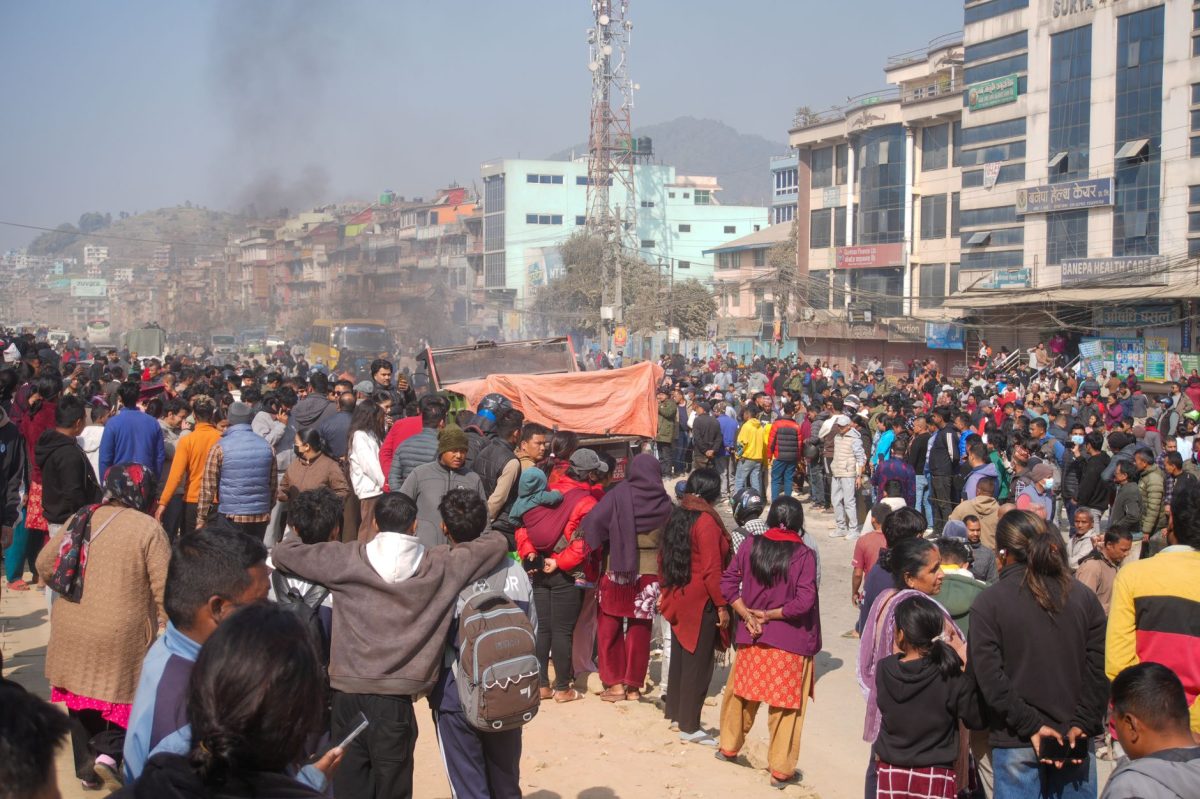
Reporting from conflict zones can be a thrilling but perilous experience. With the increasing number of journalists being targeted and injured, it's essential to know how to stay safe when covering war-torn areas. In this guide, we'll walk you through five crucial steps to protect yourself and others while reporting from high-risk zones.
Step 1: **Research** the Area Thoroughly
Before heading into a conflict zone, research the area thoroughly to understand the local dynamics, including the security situation, cultural norms, and potential risks. Use online resources such as the Global Security Journal and the Committee to Protect Journalists (CPJ) to stay informed. Familiarize yourself with the local language and customs to avoid misunderstandings and potential security breaches.
Step 2: **Plan** Your Route and Itinerary
Develop a detailed plan, including your route, mode of transportation, and accommodations. Be aware of any curfews, checkpoints, or restricted areas, and plan your movements accordingly. Use mapping tools like Google Maps or MapBox to visualize your route and identify potential hazards.
Step 3: **Stay Informed** About Local Conditions
Stay up-to-date with local news, weather forecasts, and security updates to anticipate potential hazards. Use social media and local news sources to gather information, but also be cautious of misinformation and propaganda. Consider using a satellite phone or a secure messaging app like Signal to stay in touch with your team and receive vital updates.
Step 4: **Maintain** Your Equipment and Communication Devices
Ensure that your equipment, including your camera, phone, and other communication devices, are in good working condition. Carry a backup battery and a portable charger to stay connected in areas with limited power. Regularly update your software and apps to prevent security vulnerabilities and ensure smooth communication.
Step 5: **Establish** a Safety Net and Emergency Plan
Identify a trusted local contact who can provide assistance in case of an emergency. Establish a communication protocol with your team and emergency services, including a safe word or signal to indicate danger. Plan for contingencies, such as a safe house or a secure location, where you can seek refuge in case of an attack or other security threat.
Consider hiring a local fixer or security expert who has extensive knowledge of the area and can provide critical support in navigating the risks and challenges of reporting from conflict zones.
By following these five steps, you'll be better equipped to stay safe when reporting from conflict zones. Remember to always prioritize your safety and the safety of others while pursuing your story. Take the time to research, plan, and prepare thoroughly, and you'll be more likely to return home safely with a compelling and impactful story.