How To Stay Safe During Conflict Zones: The Beginners Guide
Protect Yourself and Your Loved Ones from War Zone Risks with These Simple Steps
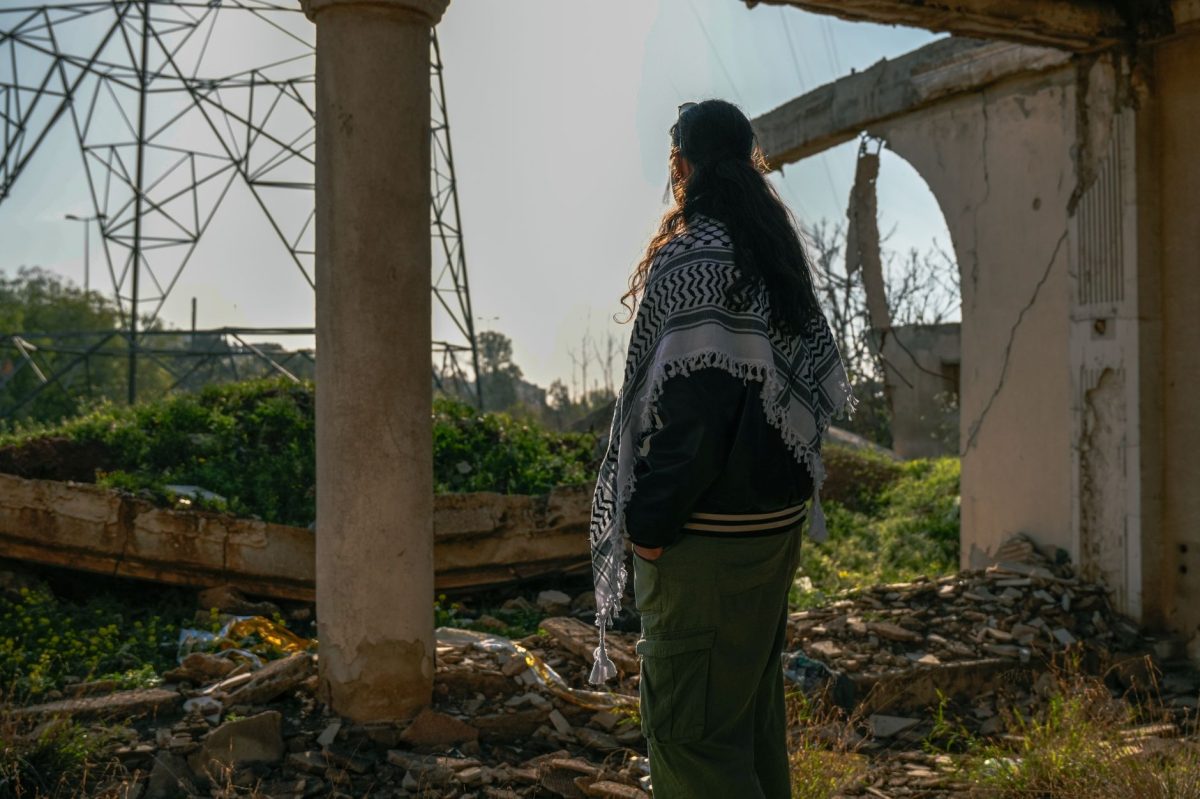
With ongoing conflicts around the world, staying safe during times of war or unrest is crucial. Whether you're a humanitarian worker, a journalist, or just a concerned citizen, understanding how to protect yourself and your loved ones is vital. In this guide, we'll walk you through 5 simple steps to stay safe during conflict zones, no matter where you are in the world.
Step 1: **Monitor Local News and Alerts**
Stay up-to-date with the latest news and developments in the conflict zone using reputable sources such as BBC News, Al Jazeera, or local news outlets. Follow government travel advisories and register with your country's travel agency to receive important safety alerts. You can also download apps like Crisis Map or TravelSafe to stay informed on the go.
Step 2: Create a Safety Plan
Develop a safety plan with your family or colleagues, including evacuation routes, emergency contact numbers, and a communication plan. Identify safe zones and areas to avoid, and make sure everyone knows what to do in case of an emergency. Consider creating a shared document or spreadsheet to keep track of important information.
Step 3: **Pack an Emergency Kit**
Assemble an emergency kit with essentials like food, water, first aid supplies, and a battery-powered radio. Make sure to include important documents like your passport, ID, and insurance cards. You can also pack a portable charger and a power bank to keep your devices charged.
Step 4: Stay Informed About Local Security Measures
Learn about local security measures, such as curfews, checkpoints, and restricted areas. Understand the rules and regulations in place and respect them to avoid any potential risks. You can also contact your embassy or consulate for guidance on local security conditions.
Step 5: **Maintain a Low Profile**
Avoid drawing attention to yourself by avoiding areas with high military activity, wearing neutral clothing, and keeping a low profile in public. Refrain from discussing sensitive topics or taking photos in public, and be mindful of your social media activity to avoid raising suspicions.
Consider taking a first aid or self-defense course to better prepare yourself for potential emergencies. These skills can be lifesaving in a conflict zone and can give you confidence to stay safe.
By following these simple steps, you can significantly reduce your risk of harm in a conflict zone. Remember to stay vigilant, adapt to changing circumstances, and prioritize your safety above all else. Next, consider sharing your safety plan with your loved ones and staying in touch with them regularly to ensure everyone's well-being.