How To Value Your Collectibles Like a Pro in 2026
A step-by-step guide to estimating the worth of your rare items, from dinosaur fossils to art pieces
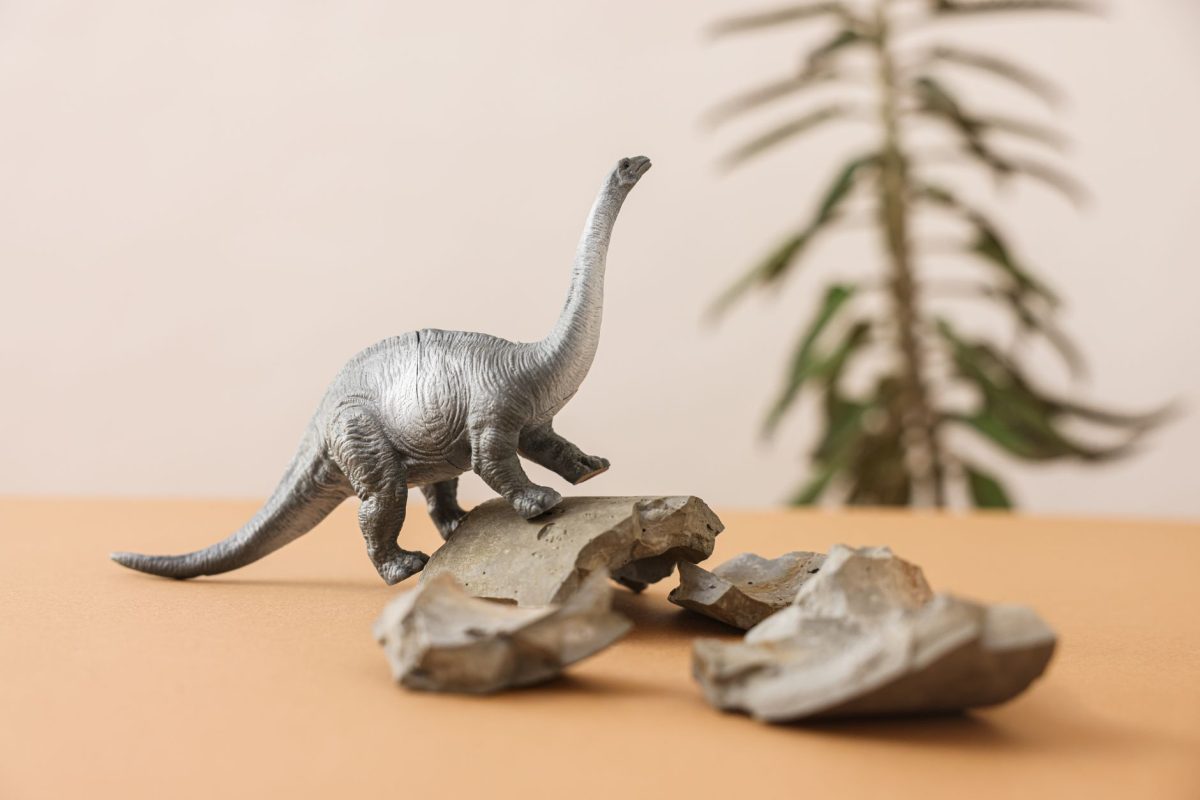
Are you the proud owner of a rare item, such as a dinosaur fossil or a vintage artwork? Valuing your collectibles can be a daunting task, but with the right knowledge and tools, you can estimate their worth and make informed decisions. In this guide, we'll walk you through the steps to value your collectibles like a pro, helping you to navigate the complex world of collectible pricing.
Step 1: Research Your Item's Market Value
Start by researching the market value of your collectible using online platforms such as eBay, Christie's, and Sotheby's. Compare prices of similar items to determine a rough estimate of your item's worth. You can also consult with a professional appraiser or a collector's community to get a better understanding of the market demand and pricing trends.
Step 2: Assess Your Item's Condition and Rarity
Carefully examine your collectible to determine its condition, rarity, and any unique features that may affect its value. Document any damage, restoration, or alterations, as these can significantly impact the item's worth. Consider consulting with a professional conservator or restorer to determine the best course of action.
Step 3: Consider the Item's Provenance
Provenance refers to the item's history of ownership, exhibition, and publication. Verify the authenticity of your item's provenance, as this can significantly impact its value. Research the item's past owners, exhibitions, and publications to build a strong case for its value.
Step 4: Evaluate Your Item's Certification and Authentication
Many collectibles come with certifications and authentication from reputable organizations, such as the Gemological Institute of America (GIA) or the Professional Gem and Jewelry Association (PGJA). Verify the authenticity of these certifications and ensure they are up-to-date. This can significantly impact your item's value and legitimacy.
Step 5: Consider the Item's Display and Storage
The way you display and store your collectible can impact its value and longevity. Invest in a high-quality display case or storage container to protect your item from damage and environmental factors. Consider consulting with a professional conservator or restorer to determine the best display and storage options for your item.
Step 6: Get Your Item Appraised by a Professional
If you're unsure about the value of your collectible or need a professional opinion, consider hiring an appraiser or a collector's expert. Choose a reputable and experienced appraiser who can provide a thorough and accurate assessment of your item's value.
Step 7: Consider Insurance and Conservation Options
Finally, consider insuring your collectible to protect it against theft, damage, or loss. Research insurance options that cater to collectibles and consult with a professional conservator or restorer to determine the best conservation options for your item.
Don't overlook the importance of documentation and provenance when valuing your collectibles. A well-documented history can significantly impact an item's value and legitimacy.
By following these steps, you'll be well on your way to valuing your collectibles like a pro. Remember to stay up-to-date with market trends and consult with professionals when needed. With the right knowledge and tools, you can make informed decisions about the value of your rare items.