How To Stay Safe in Conflict Zones: The 10 Steps
Protect yourself and your loved ones from potential threats with these practical tips
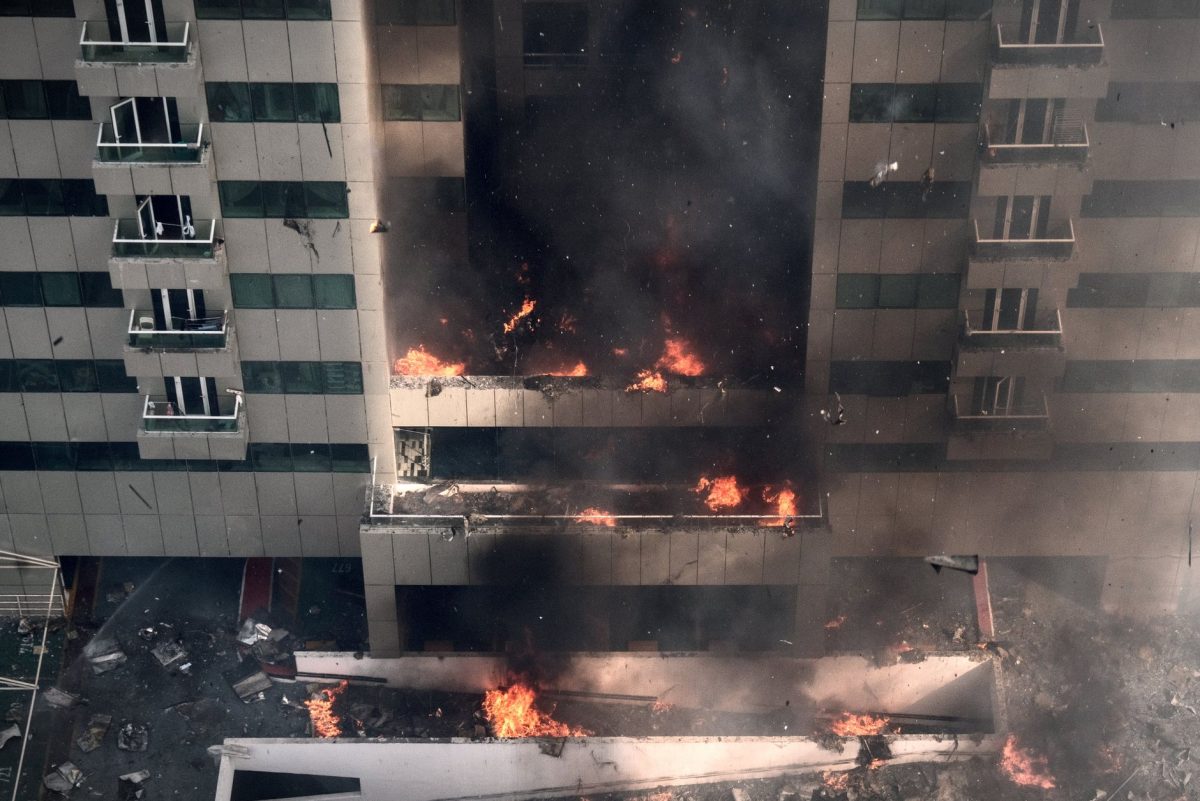
Have you or a loved one ever visited a conflict zone? The experience can be harrowing, and staying safe is crucial. In this guide, we'll walk you through the 10 steps to stay safe in conflict zones, from preparation to emergency response. Follow these practical tips to minimize your risk and enjoy a safer journey.
Step 1: Research the Conflict Zone
Understand the current situation, including the level of violence, local laws, and cultural norms. Use online resources like the U.S. Department of State's Travel Advisory website or the British Foreign and Commonwealth Office's Travel Advice website to stay informed. Know the local language and customs to avoid misunderstandings and unintended offense.
Step 2: Register with Your Government
Register with your government's travel advisory department to receive important safety and security updates about the conflict zone. This will also help your government locate you in case of an emergency. Check the website of your country's embassy or consulate for registration information.
Step 3: Stay Informed
Stay up-to-date with local news and events through reliable sources like local newspapers, radio stations, or social media. Use a travel app like SafetyWing or World Nomads to receive safety alerts and travel advisories.
Step 4: Plan Your itinerary
Create a detailed itinerary and share it with friends and family back home. Plan your route and accommodations in advance, and consider hiring a reputable guide or joining a guided tour. Be flexible and prepared for changes in your plans.
Step 5: Stay Connected
Invest in a satellite phone or a portable Wi-Fi hotspot to stay connected with the outside world. Make sure your phone is fully charged and easily accessible in case of an emergency. Use a messaging app like WhatsApp or Signal to stay in touch with family and friends.
Step 6: Be Aware of Your Surroundings
Stay alert and aware of your surroundings, especially in crowded areas or high-risk zones. Use a body camera to record your experiences and provide evidence in case of an incident. Avoid taking unnecessary risks or engaging with suspicious individuals.
Step 7: Build a Support Network
Connect with other travelers, expats, or locals who can provide valuable advice and support. Join online forums or social media groups to stay informed and share your experiences. Build relationships with local authorities and community leaders to gain a deeper understanding of the conflict zone.
Step 8: Stay Healthy
Prioritize your physical and mental health by staying hydrated, eating well, and getting enough rest. Consider investing in travel insurance that covers medical evacuations and other emergency situations. Use a first aid kit and know basic first aid techniques to treat minor injuries.
Step 9: Have an Emergency Plan
Develop an emergency plan with your support network, including evacuation procedures and contact information for local authorities. Identify safe zones and know how to reach them quickly. Stay informed about local emergency services and protocols.
Step 10: Debrief and Reflect
Take time to debrief and reflect on your experience after leaving the conflict zone. Share your insights and lessons learned with others to help them stay safe. Document your experiences and use them to raise awareness about the challenges of traveling in conflict zones.
Many travelers overlook the importance of **local customs and etiquette** when traveling in conflict zones. Take the time to learn about local norms and traditions to avoid unintended offense and stay safe.
By following these 10 steps, you'll be better equipped to stay safe in conflict zones and enjoy a more rewarding experience. Remember to stay informed, aware, and prepared, and never underestimate the importance of building a support network. Next time you plan a trip to a conflict zone, use these practical tips to minimize your risk and stay safe.