How To Stay Safe During Natural Disasters: The 7 Essential Tips
Protect yourself and your loved ones from the devastating effects of natural disasters like building collapses
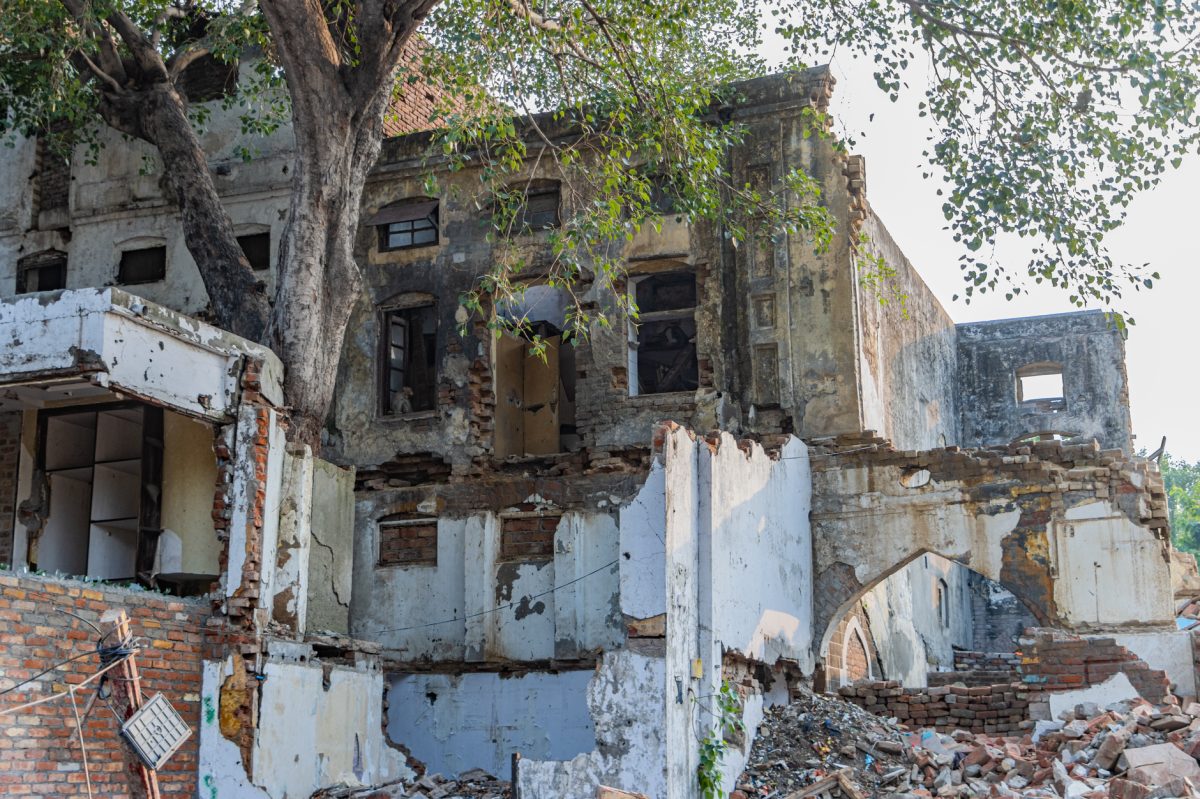
Natural disasters can strike at any moment, leaving destruction and loss of life in their wake. The recent Mumbai chawl collapse is a tragic reminder of the importance of staying safe during these events. In this guide, you'll learn the 7 essential tips to help you prepare for and respond to natural disasters like building collapses, earthquakes, and more.
Step 1: **Assess Your Risk**
Understand the natural disaster risks in your area, including the likelihood and potential impact of earthquakes, floods, landslides, and building collapses. Check with your local government or emergency management agency for information on disaster-prone areas and evacuation routes. Use online tools like the USGS ShakeMap to assess earthquake risk in your area.
Step 2: **Create a Disaster Safety Plan**
Develop a personalized disaster safety plan that includes evacuation routes, emergency contact numbers, and a meeting point for your family. Practice your plan with your family and make sure everyone knows what to do in case of a disaster. Use a tool like the Federal Emergency Management Agency (FEMA) App to help you create a plan and receive emergency alerts.
Step 3: **Conduct a Home Safety Audit**
Identify potential hazards in your home, such as loose objects that could become projectiles in an earthquake or heavy furniture that could fall and cause injury. Secure heavy furniture and objects to walls using anti-tip brackets or straps. Install safety screens on windows and doors to prevent injury from flying glass or debris.
Step 4: **Install Safety Features**
Install safety features like earthquake-resistant anchoring systems, seismic straps, and bracing systems to secure heavy furniture and objects. Use a tool like the International Association of Certified Home Inspectors (InterNACHI) to find certified inspectors who can evaluate your home's safety features.
Step 5: **Prepare an Emergency Kit**
Assemble an emergency kit with essential items like food, water, first aid supplies, and a battery-powered radio. Make sure your kit is easily accessible and know how to use the items in it. Use a tool like the American Red Cross's Emergency App to help you create a kit and receive emergency alerts.
Step 6: **Stay Informed**
Stay informed about natural disasters and emergency situations through trusted sources like the National Weather Service (NWS), the Federal Emergency Management Agency (FEMA), and local news outlets. Use a tool like the NWS Mobile App to receive emergency alerts and weather updates.
Step 7: **Practice and Review**
Practice your disaster safety plan and review it with your family regularly to ensure everyone knows what to do in case of a disaster. Use a tool like the Emergency Management Institute (EMI) to access training and resources on disaster preparedness and response.
Don't wait until it's too late – start preparing for natural disasters today and take proactive steps to stay safe and secure.
By following these 7 essential tips, you'll be better prepared to face natural disasters like building collapses, earthquakes, and more. Remember to stay informed, practice your plan, and take proactive steps to protect yourself and your loved ones. Next, review your home's safety features and make any necessary improvements to ensure your home is safe and secure.