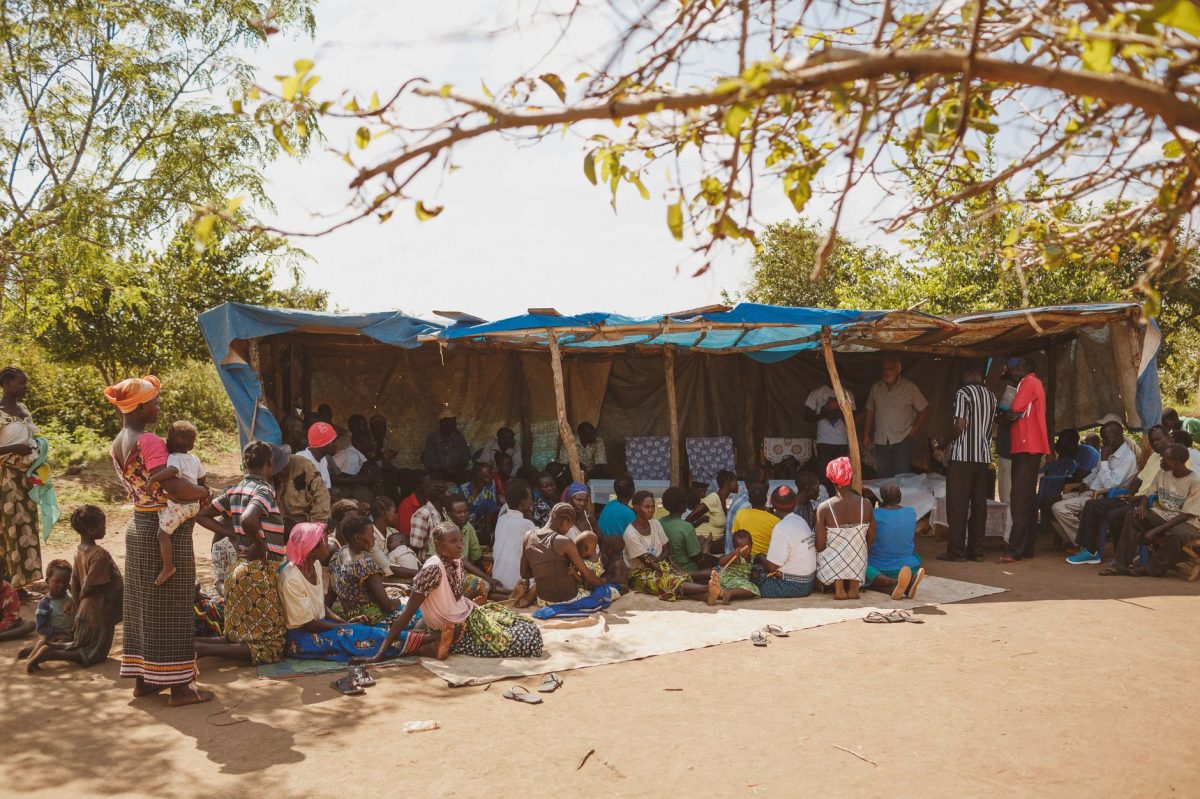
How To Help People Suffering from Hunger in 7 Steps
Practical guide to supporting communities affected by food insecurity

Hunger affects millions worldwide, and it's crucial to know how to help those in need. With the right strategies, you can make a significant difference in the lives of people suffering from hunger. In this guide, you'll learn 7 practical steps to support communities affected by food insecurity.
Step 1: **Understand** the Causes of Hunger
Hunger is a complex issue with multiple causes, including conflict, climate change, and poverty. Research the specific causes of hunger in a particular region or community. Use online resources like the World Hunger Map or the Food and Agriculture Organization's (FAO) hunger reports to gain a deeper understanding of the issue.
Step 2: **Identify** Effective Hunger Relief Organizations
Look for reputable organizations that provide hunger relief aid, such as the World Food Programme (WFP) or the United Nations Children's Fund (UNICEF). Check their websites for information on how to donate, volunteer, or support their efforts. You can also use online platforms like Charity Navigator or GuideStar to research organizations and their effectiveness.
Step 3: **Contribute** to Hunger Relief Efforts
Donate money, food, or other essential items to organizations providing hunger relief aid. Consider contributing to crowdfunding campaigns or buying essential items from online marketplaces like Amazon. You can also volunteer your time to help with food distribution, cooking, or other tasks.
Step 4: **Support** Local Food Banks and Pantries
Visit local food banks and pantries to see how you can help. Many organizations accept donations of food, toiletries, and other essential items. You can also volunteer your time to help with food sorting, packing, and distribution. Use online resources like Feeding America or Food Lifeline to find local food banks and pantries in your area.
Step 5: **Raise** Awareness about Hunger Relief
Spread the word about hunger relief efforts through social media, email, or word of mouth. Share articles, videos, or personal stories about hunger and the impact of hunger relief efforts. Use hashtags like #hungerrelief or #foodsecurity to connect with others who care about the issue.
Step 6: **Advocate** for Hunger Relief Policies
Contact your local representatives to advocate for policies that address hunger and food insecurity. Use online resources like the National Hunger Hotline or the Food Research and Action Center to learn more about hunger relief policies and how to get involved. You can also join advocacy groups like the Bread for the World or the World Food Day campaign.
Step 7: **Follow Up** on Hunger Relief Efforts
Regularly check in with organizations you've supported to see how your contributions are making a difference. Use online resources like the WFP's Hunger Map or the FAO's hunger reports to track progress and identify areas where more support is needed. Follow up with local food banks and pantries to see how you can continue to help.
When donating food or other essential items, consider the shelf life and nutritional value of the items. Focus on donating items that are easy to store, transport, and prepare, such as canned goods, dried fruits, and nuts.
By following these 7 steps, you can make a significant difference in the lives of people suffering from hunger. Remember to stay informed, advocate for hunger relief policies, and follow up on your contributions to ensure that your efforts have a lasting impact.