How To Prepare For A Fuel Shortage: Essential Steps
Learn how to minimize disruptions and stay safe when fuel scarcity strikes
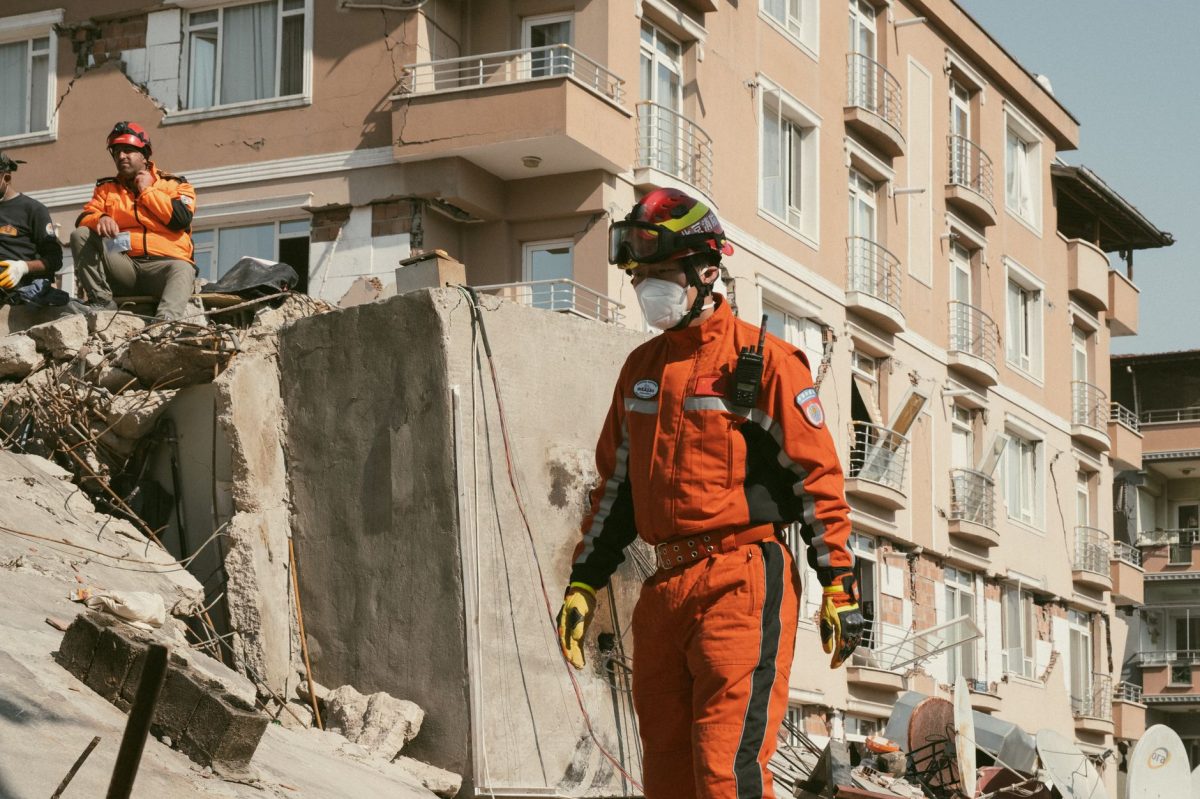
Imagine waking up one morning to find that fuel is scarce in your area, and essential services like hospitals and emergency responders are struggling to operate. This nightmare scenario is a reality for many in Venezuela after a recent earthquake. But with the right preparation, you can minimize disruptions and stay safe when fuel scarcity strikes. In this guide, we'll show you the essential steps to prepare for a fuel shortage.
Step 1: **Assess Your Fuel Needs**
Understand how much fuel you use each month and identify areas where you can reduce consumption. Use the US Energy Information Administration's (EIA) data to estimate your household's energy usage. Consider investing in energy-efficient appliances and switching to hybrid or electric vehicles. By reducing your fuel needs, you'll be better prepared for a shortage.
Step 2: Stockpile Fuel
Store at least a 30-day supply of fuel in non-corrosive containers to ensure you have enough for essential vehicles and equipment. Consider investing in a portable generator and a fuel-saving device, like a gas-saver or a fuel-saving module. These devices can help reduce fuel consumption and extend the life of your equipment.
Step 3: **Develop a Backup Plan**
Identify alternative sources of fuel and develop a backup plan for critical services like hospitals and emergency responders. Consider partnering with nearby businesses or organizations to share resources and expertise. Develop a communication plan to notify stakeholders and the public in case of a fuel shortage.
Step 4: Implement Fuel Conservation Measures
Implement fuel-saving measures like carpooling, telecommuting, and reducing non-essential travel. Use tools like Google Maps or Waze to optimize your route and reduce fuel consumption. Consider investing in a fuel-efficient vehicle or a hybrid bike to reduce your carbon footprint.
Step 5: **Create an Emergency Kit**
Assemble an emergency kit with essential supplies like food, water, first aid, and communication equipment. Include a fuel-efficient stove, a portable water filter, and a battery-powered radio. This kit will help you stay safe and comfortable during a fuel shortage.
Step 6: Stay Informed
Stay informed about fuel availability and potential shortages through government websites, social media, and emergency alert systems. Use tools like the US Department of Energy's (DOE) Fuel Availability Map to track fuel availability in your area. Stay up-to-date with local news and weather forecasts to anticipate potential disruptions.
Step 7: **Review and Update Your Plan**
Regularly review and update your fuel shortage plan to ensure it remains effective and relevant. Conduct a risk assessment to identify potential vulnerabilities and develop strategies to mitigate them. Share your plan with stakeholders and the public to ensure everyone is prepared in case of a fuel shortage.
Consider investing in a fuel-tracking device, like a fuel sensor or a fuel monitor, to track your fuel usage and identify areas for improvement.
By following these essential steps, you'll be better prepared to minimize disruptions and stay safe when fuel scarcity strikes. Remember to regularly review and update your plan to ensure it remains effective and relevant.