How To Stay Safe In Conflict Zones: The 10 Essential Steps
Protect Yourself and Loved Ones from Terrorist Threats and Civil Unrest

Are you planning to travel or live in a region affected by terrorism or civil unrest? Staying safe in conflict zones requires careful planning and preparation. Follow these 10 essential steps to minimize your risk and protect yourself and loved ones.
Step 1: **Research** the Area
Start by researching the area you plan to visit or live in. Look for official government advisories, news articles, and blog posts from trusted sources. Websites like the US Department of State's Travel Advisory website and the UK Government's Travel Abroad website provide valuable information on safety and security in different countries.
Step 2: **Register** with Your Government
Register with your government's travel registration service, such as the US Department of State's Smart Traveler Enrollment Program (STEP) or the UK Government's Travel Abroad service. This will help your government contact you in case of an emergency and provide vital information on how to stay safe in the area.
Step 3: **Stay Informed**
Stay up-to-date with local news and events through reliable sources like BBC News, Al Jazeera, or local newspapers. Follow local leaders, community groups, and security experts on social media to get first-hand information on the situation on the ground.
Step 4: **Create a Safety Plan**
Develop a personal safety plan that includes emergency contact numbers, evacuation routes, and a communication strategy with family and friends back home. Consider taking a self-defense course or learning basic first aid to increase your preparedness.
Step 5: **Be Aware of Your Surroundings**
When in a conflict zone, stay alert and aware of your surroundings. Avoid walking alone in isolated areas, and keep an eye out for suspicious behavior or potential security threats. Use your phone's GPS or a mapping app to navigate unfamiliar areas and avoid getting lost.
Step 6: **Use Secure Communication Tools**
Use secure communication tools like Signal or WhatsApp to stay in touch with family and friends. Avoid using public Wi-Fi or unsecured networks to prevent hackers from intercepting your communications.
Step 7: **Keep Valuables Secure**
Keep your valuables, such as passports, credit cards, and cash, secure and out of sight. Use a hotel safe or a money belt to protect your belongings from theft or loss.
Step 8: **Avoid Conflict**
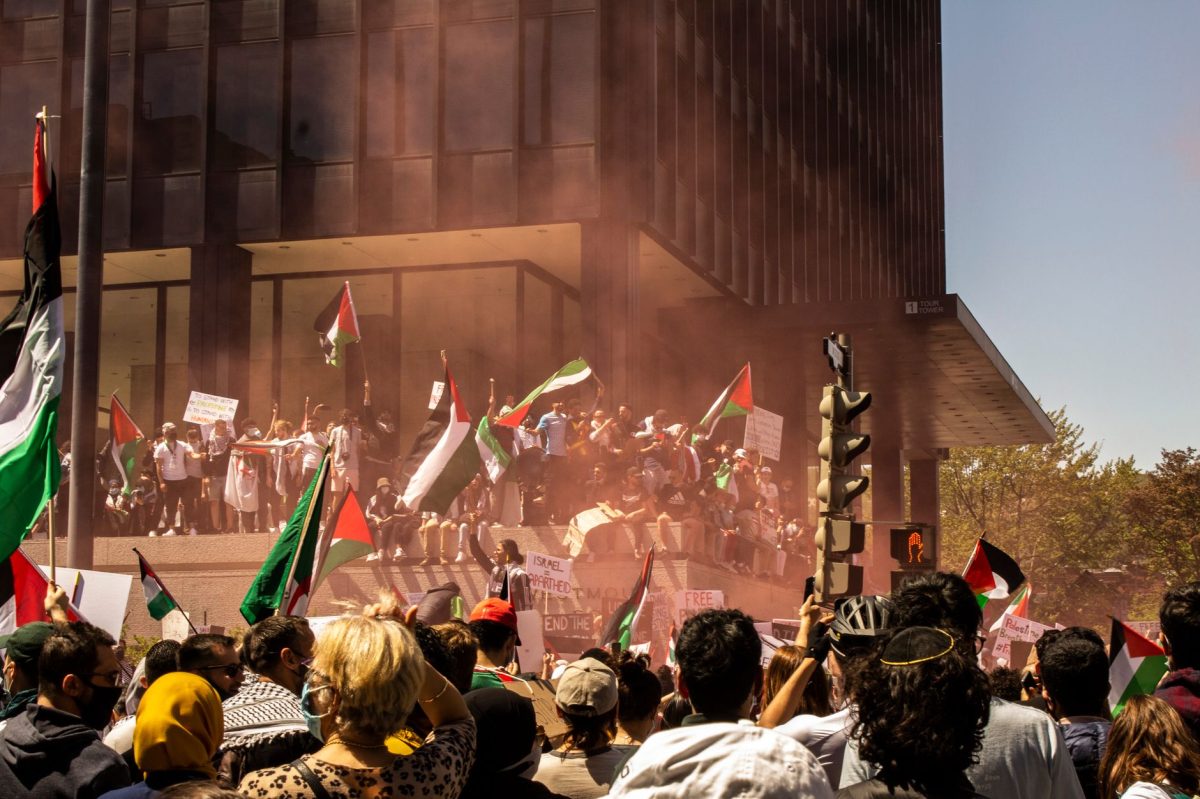
Avoid situations that could lead to conflict, such as public gatherings or demonstrations. Stay calm and composed if confronted by protesters or security forces, and follow instructions from local authorities.
Step 9: **Stay Healthy**
Take care of your physical and mental health by staying hydrated, eating well, and getting enough rest. Consider carrying a first-aid kit and taking medication for any pre-existing conditions.
Step 10: **Have an Exit Strategy**
Develop an exit strategy in case you need to leave the conflict zone quickly. This may include having a backup plan for accommodation, transportation, and financial resources. Keep a small emergency fund and a stash of cash to help you cover unexpected expenses.
Many people overlook the importance of having a backup plan for their digital life, including email, social media, and online banking. Consider setting up a VPN and using two-factor authentication to protect your online identity.
By following these 10 essential steps, you can minimize your risk and stay safe in conflict zones. Remember to always prioritize your safety and the safety of those around you, and to stay informed and adaptable in the face of changing circumstances.