How To Prevent Wildfires Near Homes In 2026
Expert Guide to Protecting Your Property and the Environment from Devastating Wildfires
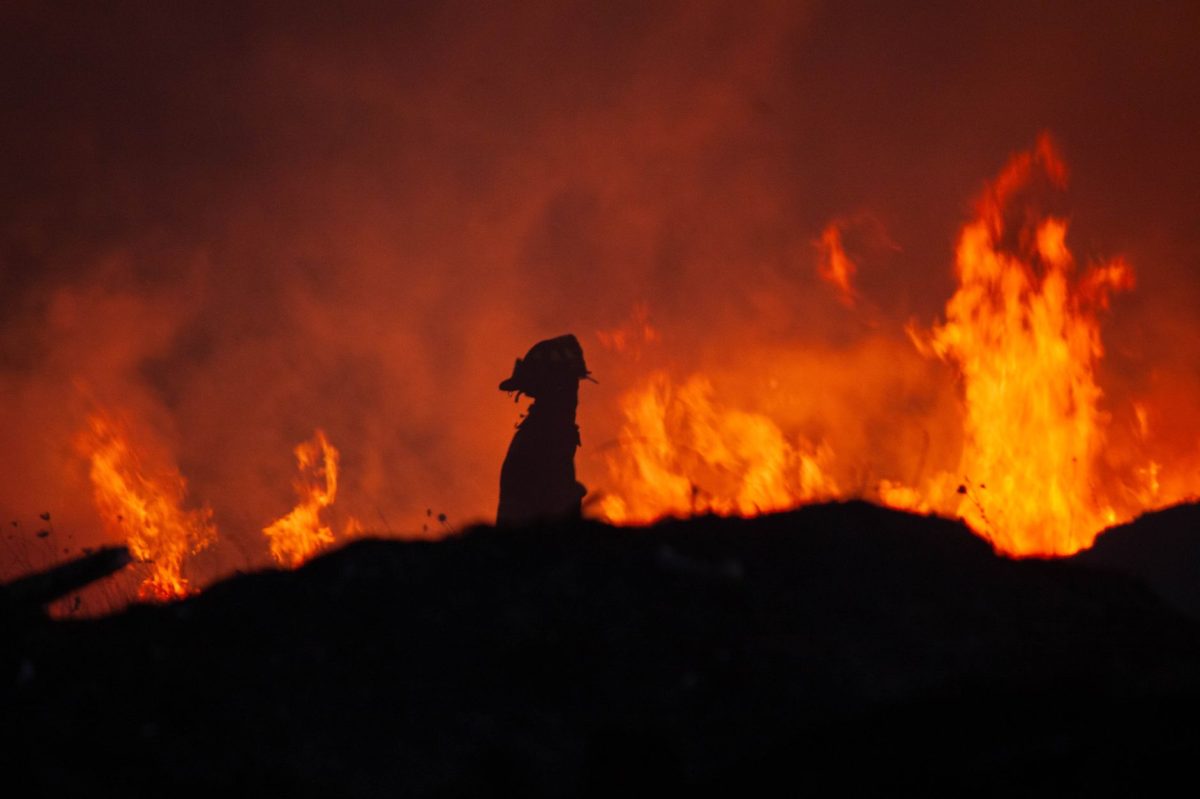
Wildfires have ravaged communities worldwide, leaving devastating trails of destruction and loss of life. The recent Greek wildfires have highlighted the urgent need for effective wildfire prevention and management strategies. This article provides a practical 5-step guide to help you protect your home and the environment from wildfires. By following these steps, you can significantly reduce the risk of wildfire damage and ensure your safety and that of your loved ones.
Step 1: Create a Defensible Space Around Your Home
Clear flammable vegetation and debris from a 30-foot radius around your home, including dead leaves, branches, and trees. Use a chainsaw to cut back overgrown vegetation, and remove any combustible materials from your roof and gutters. Consider hiring a professional arborist to prune trees and shrubs if you're unsure about how to do it safely. This step should take around 30 minutes to an hour to complete.
Step 2: Use Fire-Resistant Materials for Your Roof and Siding
Upgrade your roof and siding to fire-resistant materials, such as asphalt shingles, metal roofing, or stucco. Consider applying a fire-resistant coating to your roof and walls to provide an additional layer of protection. Check with your local building codes and regulations to ensure that you're using compliant materials. This step may require a larger upfront investment but can save you from costly repairs and losses in the long run.
Step 3: Install Fire Detection and Suppression Systems
Invest in a fire detection system that includes smoke and heat sensors, which can alert you to potential fires. Consider installing a fire suppression system, which can automatically extinguish a fire before it spreads. Research reputable companies that offer fire safety systems and equipment, such as Kidde and First Alert. This step requires a moderate level of technical expertise and may involve hiring a professional.
Step 4: Develop a Wildfire Evacuation Plan
Create a wildfire evacuation plan that includes a safe route to exit your property and a designated meeting point. Make sure all household members know the plan and practice it regularly. Consider designating a safe zone outside your home where you can gather if you're unable to evacuate. Review your plan with your family and make any necessary adjustments. This step should take around 20-30 minutes to complete.
Step 5: Stay Informed and Prepared for Wildfire Season
Stay informed about weather conditions and fire risk levels in your area through government websites, apps, and news outlets. Sign up for emergency alerts and follow local fire departments on social media to stay up-to-date on fire activity. Keep a fire extinguisher and a emergency kit on hand, including essential items such as water, non-perishable food, and a first aid kit. This step requires ongoing effort and attention to ensure your preparedness.
Consider consulting with a local fire safety expert to assess your property's wildfire risk and provide personalized recommendations for prevention and preparedness.
By following these 5 steps, you can significantly reduce the risk of wildfire damage and ensure your safety and that of your loved ones. Remember to stay informed and prepared for wildfire season, and take action now to protect your home and the environment. Start by creating a defensible space around your home and upgrading to fire-resistant materials.