How to Protect Yourself in Conflict Zones: The 5 Safety Tips
Stay safe and informed during global conflicts with these essential strategies
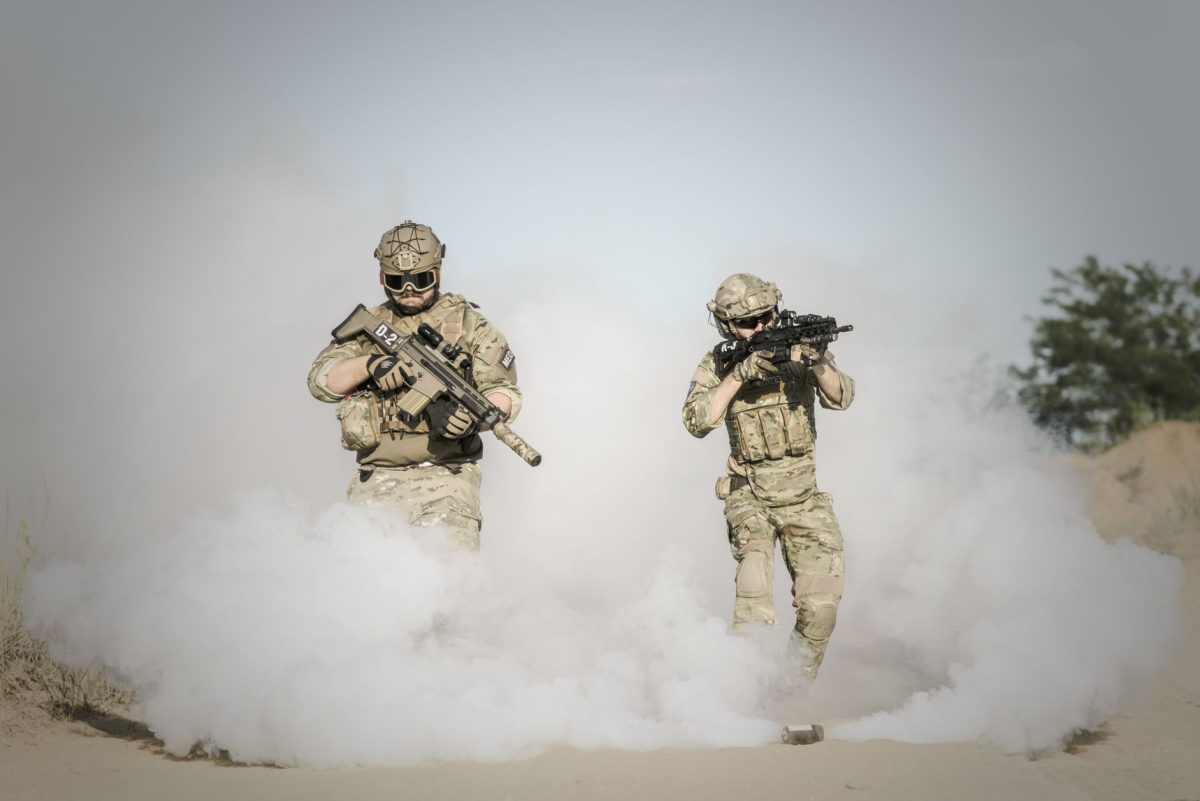
When conflict erupts in a region you're traveling to, staying safe becomes a top priority. In this guide, we'll cover essential strategies to minimize risks and ensure your well-being. Follow these 5 tips to protect yourself in conflict zones and stay informed about global hotspots.
Step 1: **Research** the Conflict Zone Before Arrival
Thoroughly research the conflict zone's current situation, including the involvement of local and international forces. Utilize reputable sources such as the US Department of State's Travel Advisory website, the UK's Foreign and Commonwealth Office, or the International Crisis Group for the latest updates. This knowledge will help you make informed decisions about your travel plans and potential evacuation routes.
Step 2: **Identify Safe Zones** and Evacuation Routes
Familiarize yourself with the designated safe zones, refugee camps, and evacuation routes in the conflict zone. These areas are often marked on maps or listed on government websites. Carry a printed or digital copy of these maps and routes with you, and keep them easily accessible in case of an emergency.
Step 3: **Stay Informed** with Reliable News Sources
Rely on credible news sources, such as the BBC, Al Jazeera, or the New York Times, for updates on the conflict. These outlets often provide in-depth coverage and context, helping you understand the situation better. Consider subscribing to their newsletters or following them on social media for timely updates.
Step 4: **Build a Support Network** of Trusted Contacts
Connect with reliable contacts, such as friends, family, or fellow travelers, who are also in the conflict zone. Establish a communication plan, including regular check-ins and a meeting point in case of separation. Having a support network can help you stay safe and feel more connected during uncertain times.
Step 5: **Develop an Emergency Plan**
Create a comprehensive emergency plan, including a list of essential contacts, evacuation routes, and a backup communication plan. Store this plan in a secure, easily accessible location, such as a password-protected note on your phone or a waterproof container. Regularly review and update your plan to ensure it remains relevant and effective.
Consider registering with your government's travel registration service, such as the US Department of State's Smart Traveler Enrollment Program (STEP), to receive important safety and security updates about your destination.
By following these 5 safety tips, you can minimize risks and stay safe in conflict zones. Remember to stay informed, build a support network, and develop an emergency plan to ensure your well-being. Stay vigilant, and prioritize your safety above all else.