How To Stay Safe From Online Harassment as a Public Figure 2026
Protect yourself from cyberbullying, trolls, and online hate with these 5 actionable steps
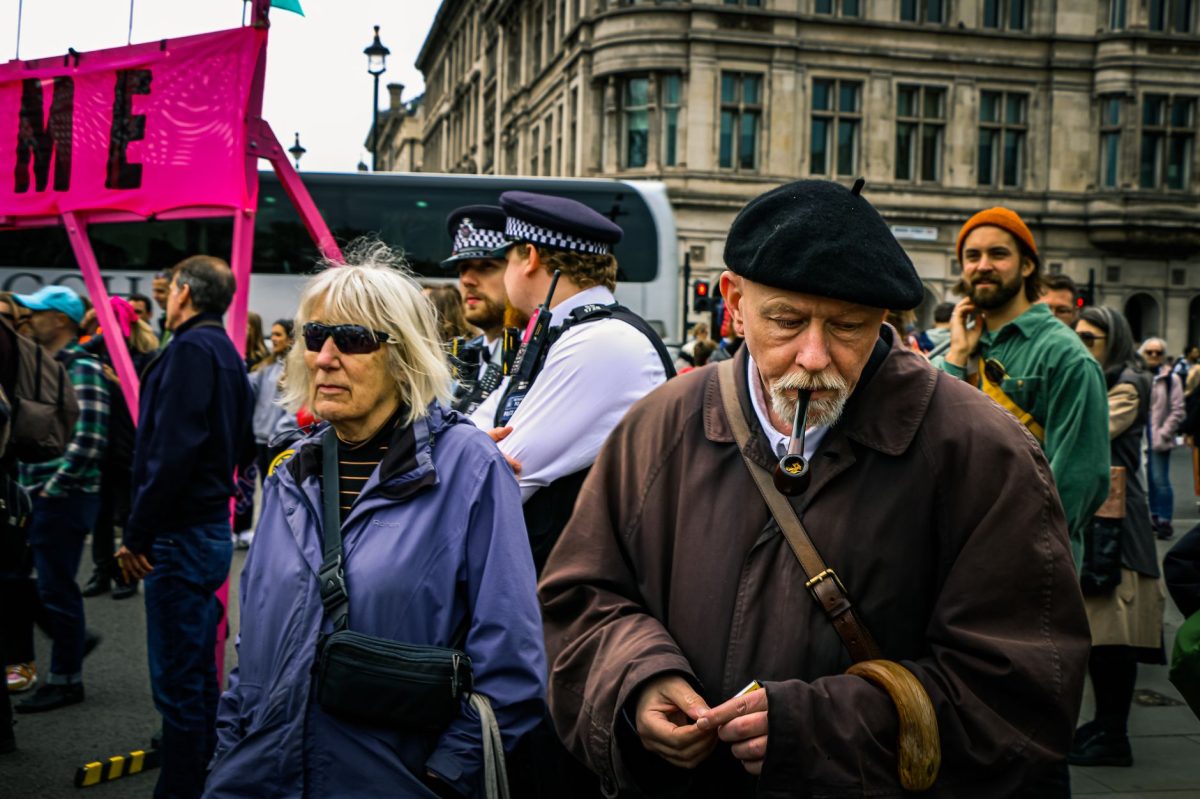
As a public figure, you're more likely to experience online harassment and cyberbullying. The British Medical Association's new policies to shield medical professionals from online harassment are a step in the right direction, but what can you do to protect yourself? In this guide, you'll learn 5 practical ways to stay safe from online trolls and hate in 2026.
Step 1: **Enable Two-Factor Authentication**
Enabling two-factor authentication (2FA) on your social media accounts is a crucial step in securing your online presence. This adds an extra layer of security, making it harder for hackers to gain access to your accounts. You can enable 2FA on platforms like Twitter, Instagram, and Facebook by navigating to Settings > Security > Two-Factor Authentication. Most social media platforms offer Google Authenticator or SMS-based 2FA.
Step 2: **Monitor Your Online Presence**
Keep an eye on your online reputation by regularly searching for your name and keywords associated with your work. Use tools like Google Alerts or Hootsuite to track mentions of your name and stay on top of online conversations about you. Set up notifications for new mentions and engage with your audience to show that you're active and responsive.
Step 3: **Block and Report Abusers**
Block and report users who are harassing or bullying you online. Most social media platforms allow you to block or report users who are violating their community guidelines. Make sure to block their accounts and report them to the platform's moderators. This will help prevent them from continuing to harass you and may also help prevent others from experiencing the same treatment.
Step 4: **Use Privacy Settings**
Adjust your social media privacy settings to control who can see your posts and personal information. Use platforms like Facebook and Twitter to limit your audience to friends, family, or followers. You can also adjust your post settings to control who can see your posts. Make sure to regularly review your settings to ensure they're still aligned with your online safety goals.
Step 5: **Develop a Crisis Management Plan**
Develop a crisis management plan in case you do experience online harassment or cyberbullying. This plan should include steps to contain the situation, respond to the harassment, and seek support from trusted individuals or organizations. Consider working with a public relations expert or online safety consultant to help you develop a comprehensive plan.
Don't underestimate the power of kindness and empathy in responding to online trolls. Sometimes, a simple and genuine response can diffuse the situation and show that you're not afraid to engage with your critics.
By following these 5 steps, you'll be better equipped to stay safe from online harassment and cyberbullying as a public figure in 2026. Remember to regularly review and update your online safety strategies to ensure you're protected from the latest threats. Stay vigilant and prioritize your online safety above all else.