How To Make Public Spaces Inclusive And Accessible For People With Disabilities in 2026
Learn the 7 essential steps to create a barrier-free environment for everyone, including kids with disabilities
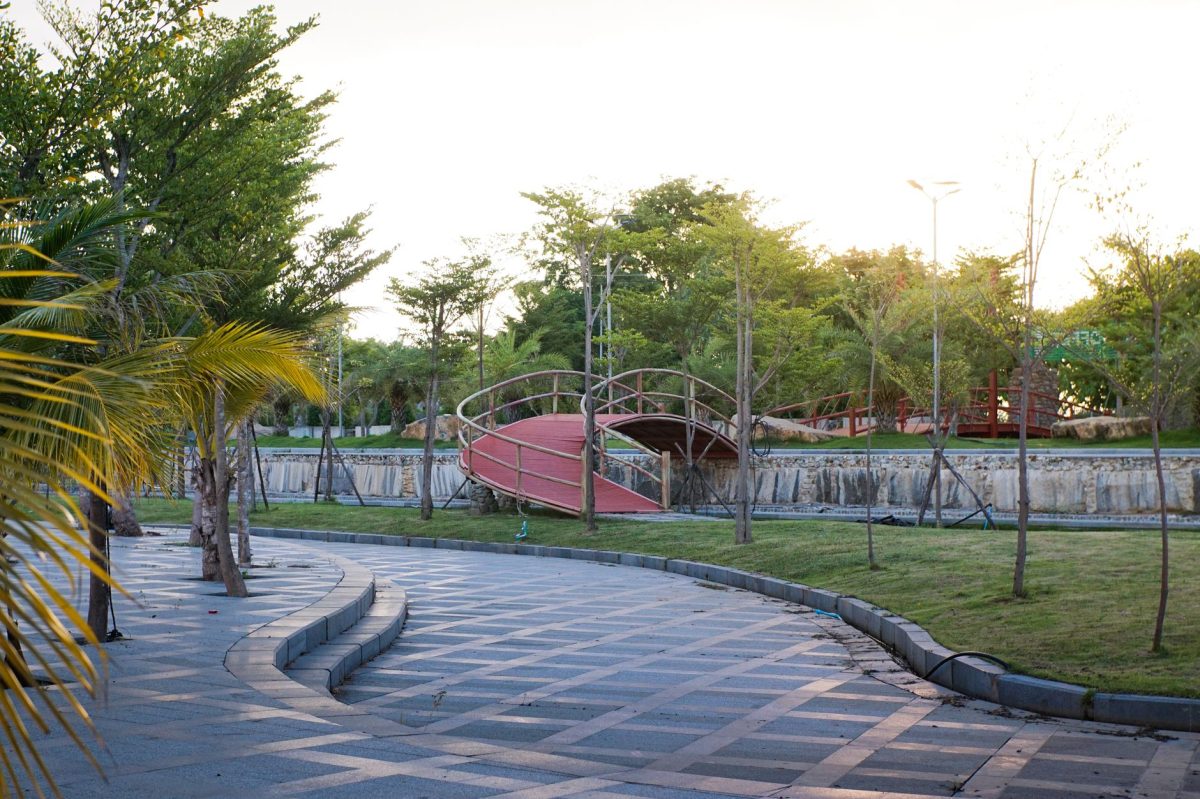
As we strive to create a more equitable society, it's essential to make public spaces inclusive and accessible for people with disabilities. Recent news highlights the importance of upgrading parks and public spaces to cater to the needs of kids with disabilities. In this guide, you'll learn the 7 practical steps to create a barrier-free environment that promotes inclusivity and accessibility for everyone.
Step 1: Conduct a Disability-Friendly Audit of Existing Spaces
Start by assessing the accessibility of your public spaces, including parks, playgrounds, and community centers. Identify areas that need improvement, such as ramps, wheelchair-accessible restrooms, and wide pathways. Use the ADA accessibility guidelines as a reference. This audit will help you create a comprehensive plan to upgrade your spaces and make them more inclusive.
Step 2: Involve Stakeholders and Community Members in the Design Process
Engage with local communities, disability groups, and stakeholders to gather input and insights on what makes a space accessible and inclusive. This will help you create a space that meets the needs of diverse users. Use online platforms like SurveyMonkey or Google Forms to collect feedback and suggestions.
Step 3: Choose Accessible Materials and Equipment
Select materials and equipment that are safe, durable, and easy to use, such as wheelchair-accessible swings and slides. Consider using recycled materials or sustainable products that are environmentally friendly. Choose materials that can withstand harsh weather conditions and heavy use.
Step 4: Create Accessible Pathways and Ramps
Design pathways and ramps that are wide, flat, and stable, with a minimum slope of 1:12. Use textured surfaces to provide better traction and prevent slipping. Consider adding handrails for support and stability.
Step 5: Install Sensory-Friendly Features
Incorporate sensory-friendly features like sound-reducing materials, shaded areas, and sensory-friendly play equipment. This will help create a space that's comfortable and enjoyable for kids with sensory sensitivities. Consult with disability experts and advocacy groups to ensure you're creating a space that meets their needs.
Step 6: Provide Accessible Amenities and Services
Offer accessible amenities like wheelchair-accessible restrooms, drinking fountains, and picnic tables. Provide accessible services like sign language interpretation, audio descriptions, and braille signage. Ensure that your staff is trained to provide excellent customer service to people with disabilities.
Step 7: Maintain and Monitor Your Spaces Regularly
Regularly inspect and maintain your public spaces to ensure they remain accessible and inclusive. Monitor feedback from users and make adjustments as needed. Use online tools like Google Maps or Accessibility Checker to identify areas that need improvement and create a plan to address them.
Don't forget to provide **training and education** for staff and volunteers on disability awareness, accessibility, and inclusive practices. This will help create a culture of inclusivity and ensure that your spaces remain accessible and welcoming for everyone.
By following these 7 essential steps, you'll be well on your way to creating public spaces that are inclusive and accessible for everyone, including kids with disabilities. Remember to involve stakeholders, choose accessible materials, and provide accessible amenities and services. With regular maintenance and monitoring, you'll create a barrier-free environment that promotes inclusivity and accessibility for all.