How To Stay Safe at Protests: 7 Essential Tips
Protect Yourself and Others During Peaceful Demonstrations
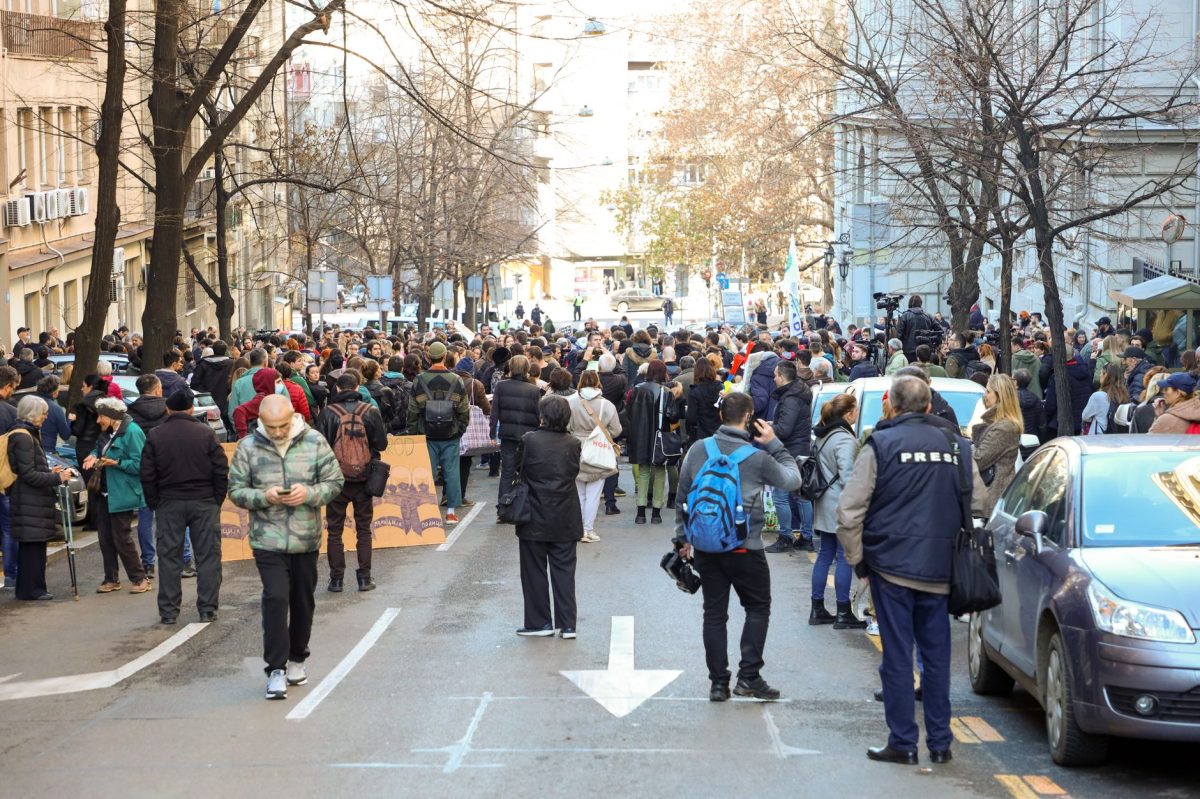
Protests can be a powerful way to raise awareness and demand change, but they can also be unpredictable and potentially violent. If you're planning to attend a protest, it's essential to take steps to stay safe. In this guide, we'll share 7 essential tips to help you protect yourself and others during peaceful demonstrations.
Step 1: **Research** the Protest
Before attending a protest, research the event thoroughly. Look for information about the protest's location, schedule, and expected turnout. Check social media and local news outlets for updates on any potential safety concerns or security measures in place. This will help you prepare and make informed decisions about your involvement.
Step 2: **Plan Your Route**
Plan your route to the protest in advance, considering alternative routes and potential road closures. Use a mapping app like Google Maps or Waze to find the most direct and safest route. Avoid taking public transportation or walking alone in unfamiliar areas, especially at night.
Step 3: **Dress for Safety**
Dress in a way that allows you to move freely and easily. Wear comfortable shoes, loose-fitting clothing, and layers for changing weather conditions. Avoid wearing anything that could be used as a weapon or that might identify you as a protester, such as a protest armband or identifying badge.
Step 4: **Stay Informed**
Stay informed about the protest's status and any safety updates through social media, local news, or a protest-specific app like Rally or Protest Tracker. This will help you stay up-to-date on any changes or potential safety concerns.
Step 5: **Bring Essential Items**
Bring essential items like water, snacks, and a first-aid kit to keep you safe and hydrated. Consider bringing a portable charger for your phone or a spare phone battery in case of an emergency. Wear clothing with built-in reflective strips or carry a reflective armband to increase visibility.
Step 6: **Stay with a Group**
Stay with a group of people you trust and know. This can help you feel safer and more supported. Make sure to designate a meeting point in case you get separated from your group. Use a group messaging app like WhatsApp or GroupMe to stay in touch and coordinate your movements.
Step 7: **Know Your Rights**
Know your rights and the laws surrounding protests in your area. Familiarize yourself with local laws and regulations regarding protests, such as noise ordinances or permit requirements. If you're stopped by law enforcement, remain calm and assert your right to free speech and peaceful assembly.
Remember to take care of yourself after the protest. Protests can be emotionally and physically draining, so make sure to prioritize self-care and seek support if needed.
By following these 7 essential tips, you can stay safe and protected during protests. Remember to always prioritize your safety and well-being, and don't hesitate to seek help if you need it. Stay informed and stay safe, and you'll be able to participate in protests with confidence.