How To Safeguard Your Business From Rare-Earth Material Risks
Protect yourself from supply chain disruptions and trade controversies with our expert guide
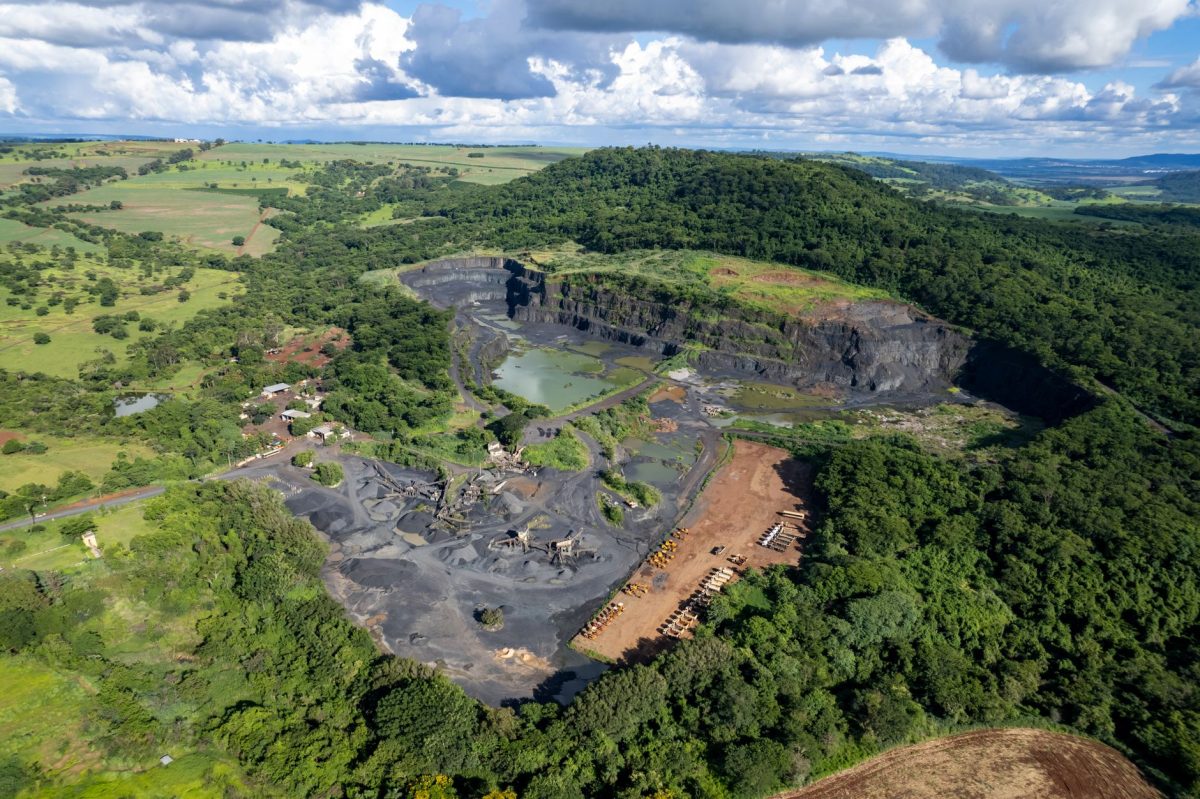
As global trade practices continue to evolve, businesses must stay ahead of the curve to mitigate risks associated with rare-earth materials. The recent detention of two Japanese citizens in China for allegedly smuggling export-restricted rare-earth related products has highlighted the importance of supply chain management and trade security. In this guide, we'll walk you through 6 actionable steps to safeguard your business from rare-earth material risks and ensure a stable supply chain.
Step 1: **Conduct a Supply Chain Audit**
Begin by conducting a thorough audit of your current supply chain to identify potential risks and vulnerabilities. Use tools like Trade Map or the International Trade Centre's (ITC) Trade Analysis Online Platform to analyze your suppliers and assess the risk level of each. This will help you prioritize areas for improvement and develop a targeted strategy to mitigate rare-earth material risks.
Step 2: **Diversify Your Supplier Base**
To reduce dependence on a single supplier, expand your network to include multiple vendors from different regions. Research and evaluate potential suppliers using tools like the Supplier Performance Assessment Tool (SPAT) or the International Organization for Standardization (ISO) 9001 certification criteria. This will enable you to negotiate better prices and ensure a stable supply of rare-earth materials.
Step 3: **Implement a Risk Management Framework**
Establish a comprehensive risk management framework to monitor and mitigate potential risks associated with rare-earth materials. Use a risk assessment matrix to categorize and prioritize risks, and develop contingency plans for potential disruptions. This will help you respond swiftly and effectively in the event of a supply chain disruption.
Step 4: **Develop a Trade Compliance Program**
Create a trade compliance program to ensure adherence to export regulations and avoid penalties. Use tools like the U.S. Department of Commerce's Bureau of Industry and Security (BIS) Export Control Classification Number (ECCN) system to classify and control the export of rare-earth materials. This will help you avoid costly fines and reputational damage.
Step 5: **Invest in Supply Chain Resiliency**
Invest in supply chain resiliency by implementing measures to prevent and mitigate supply chain disruptions. Use tools like the Supply Chain Resilience Index (SCRI) or the International Supply Chain Institute's (ISCI) Supply Chain Risk Management (SCRM) framework to assess and improve your supply chain's resilience. This will help you stay ahead of the competition and ensure business continuity.
Step 6: **Monitor Global Market Trends**
Stay informed about global market trends and developments that may impact your business. Use tools like the International Trade Centre's (ITC) Trade Analysis Online Platform or the World Trade Organization's (WTO) Trade Topics database to monitor trade agreements, tariffs, and other market developments. This will enable you to make informed decisions and adjust your strategy accordingly.
Don't overlook the importance of communication with your suppliers and stakeholders. Regularly update them on your risk management strategy and expectations to ensure a collaborative approach to supply chain management.
By following these 6 steps, you can safeguard your business from rare-earth material risks and ensure a stable supply chain. Remember to stay vigilant and adapt to changing market conditions to remain ahead of the competition. Start implementing these strategies today to protect your business and stay resilient in an uncertain global trade environment.