How To Protect Your Rights As A Journalist
Defend Yourself Against Oppression and Promote a Culture of Transparency
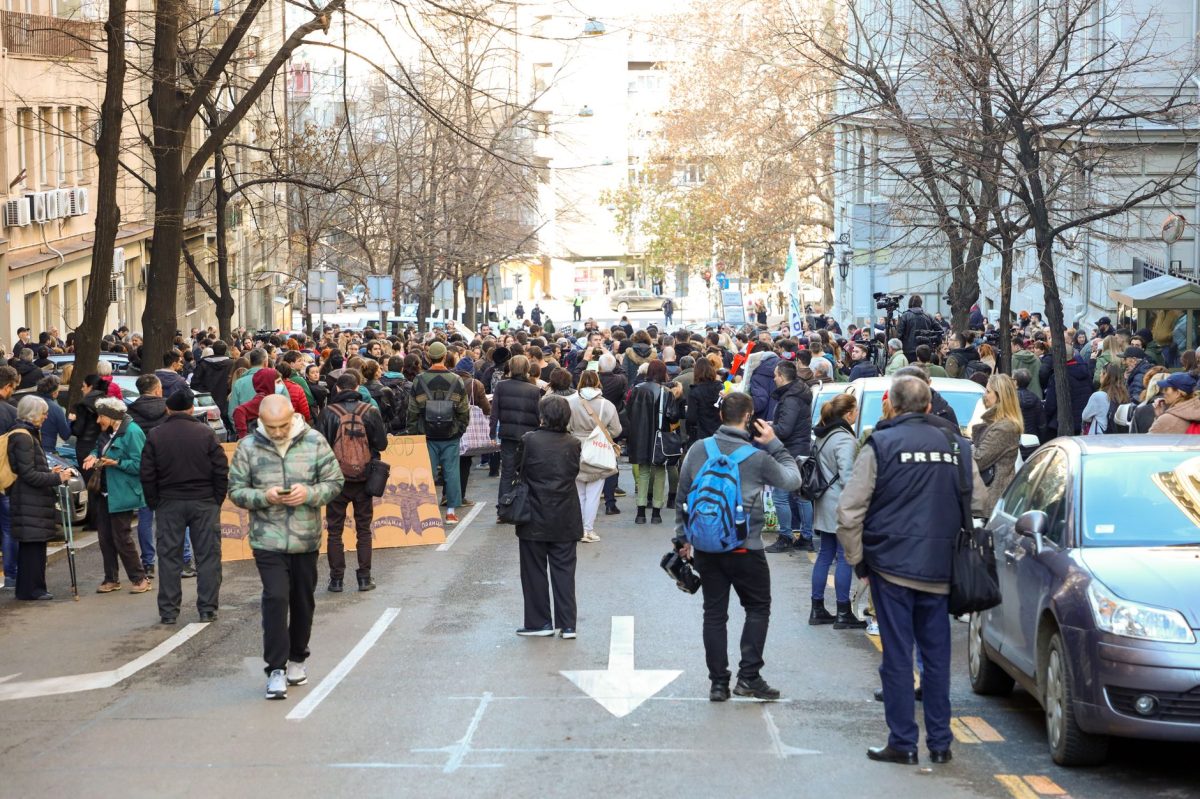
As a journalist, you are a vital part of a functioning democracy, bringing essential information to the public and holding those in power accountable. However, this critical work often comes with risks, including harassment, intimidation, and even disappearance. In this guide, you will learn how to protect your rights and promote a culture of transparency in 7 actionable steps.
Step 1: **Understand Your Rights**
Familiarize yourself with the local and international laws that protect journalists' rights. The International Press Institute (IPI) and the Committee to Protect Journalists (CPJ) provide comprehensive resources on this topic. Review the Universal Declaration of Human Rights and the International Covenant on Civil and Political Rights to understand your fundamental freedoms.
Step 2: **Stay Informed About Current Threats**
Regularly monitor news and reports on journalist safety from reputable sources like the IPI, CPJ, and Human Rights Watch. Set up alerts on social media to stay informed about local and global developments that may impact your work. This will help you anticipate and prepare for potential risks.
Step 3: **Use Secure Communication Channels**
Utilize encrypted communication tools like Signal or WhatsApp to protect your conversations with sources and colleagues. Consider using a virtual private network (VPN) to ensure your online activities remain private. Be cautious when sharing sensitive information, and always use secure file-sharing platforms like Dropbox or Google Drive.
Step 4: **Maintain a Low Profile**
Avoid drawing unnecessary attention to yourself by keeping a low profile online and offline. Use pseudonyms or anonymous profiles on social media, and refrain from sharing personal details that could be used to identify you. This will help reduce the risk of harassment, intimidation, or even disappearance.
Step 5: **Develop a Safety Plan**
Create a comprehensive safety plan that outlines emergency procedures, including evacuation routes, safe houses, and communication protocols. Identify trusted contacts who can provide support in case of an emergency. Regularly review and update your plan to ensure it remains effective.
Step 6: **Build a Support Network**
Cultivate relationships with fellow journalists, human rights defenders, and other allies who can provide support and solidarity. Join professional networks and organizations that advocate for journalist safety and promote a culture of transparency. This will help you stay connected and informed, and provide a sense of community and purpose.
Step 7: **Document and Report Incidents**
Maintain a log of incidents, including harassment, intimidation, or other forms of oppression. Document dates, times, locations, and details of what happened. Report incidents to relevant authorities and organizations, such as the IPI or CPJ, to help track and prevent future abuses.
Many journalists overlook the importance of maintaining a low profile online and offline. By taking this step, you can significantly reduce the risk of harassment, intimidation, or even disappearance.
By following these 7 steps, you can protect your rights as a journalist and promote a culture of transparency. Remember that your work is essential to a functioning democracy, and your safety and well-being are crucial to the success of your mission. Stay vigilant, stay informed, and stay connected with your support network.