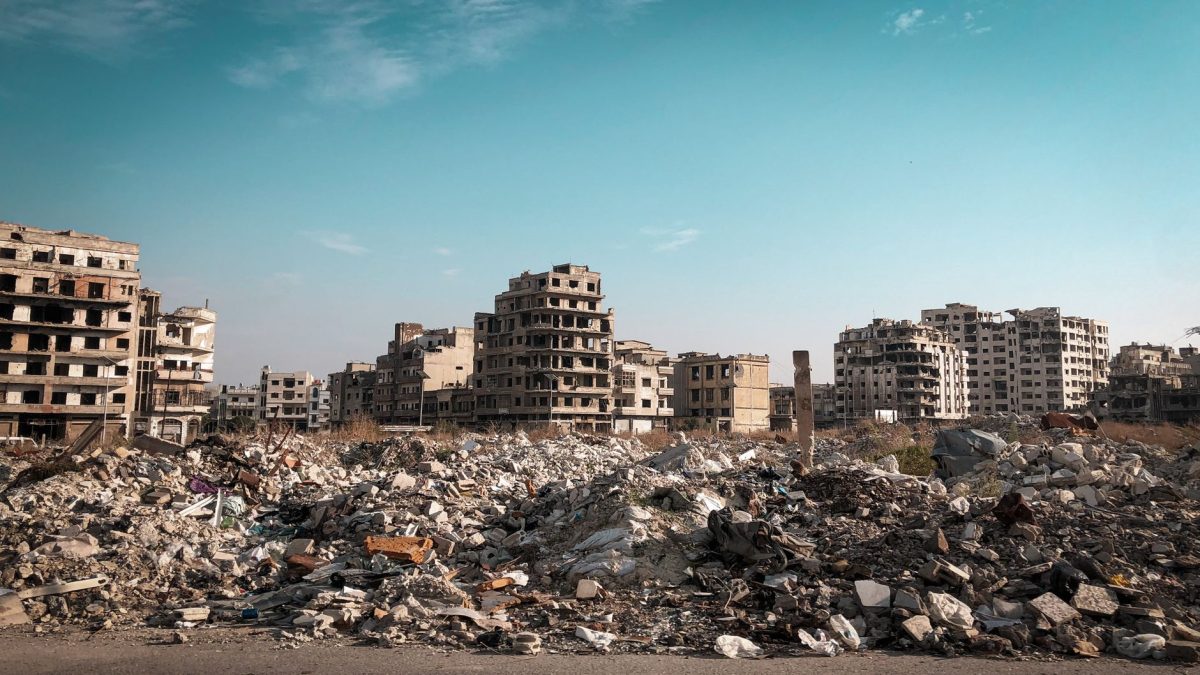
How To Stay Safe In War Zones: Tips For Journalists and Travelers
Protect yourself from the risks of conflict zones with these expert tips and best practices
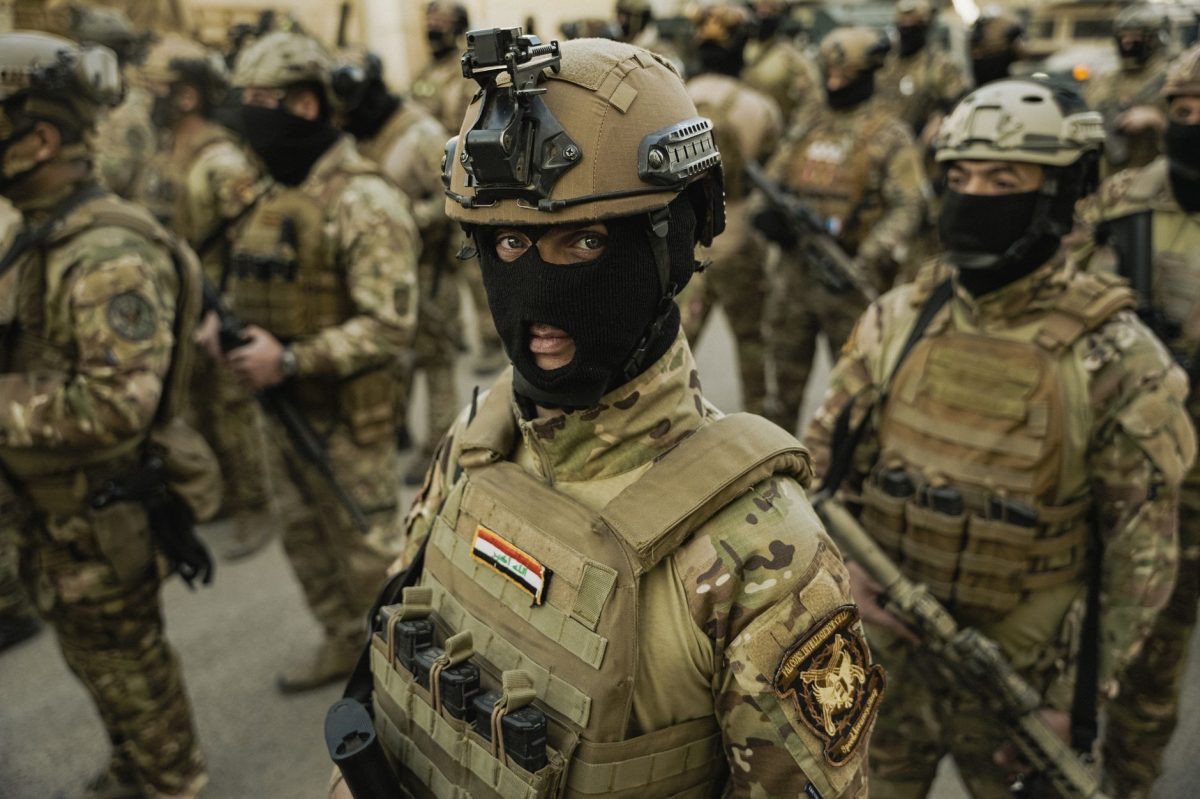
War zones can be unpredictable and deadly, but with the right knowledge and preparation, you can reduce your risk of harm. Whether you're a journalist reporting from the front lines or a traveler caught in the crossfire, staying safe is crucial. In this guide, you'll learn 5 essential tips to help you navigate conflict zones with confidence and caution.
Step 1: **Research** Your Destination
Before entering a war zone, research the local situation and understand the risks. Utilize websites like the US Department of State's Travel Advisory website or the UK Foreign and Commonwealth Office's Travel Advice website to stay informed about the latest developments. Additionally, connect with other travelers or journalists who have recently visited the area to gain valuable insights and advice.
Step 2: **Stay Informed** About Local Conditions
Stay up-to-date with the latest news and developments in the region by following reputable news sources and official government websites. Use social media to stay connected with other travelers and journalists, and be aware of any local curfews, checkpoints, or restricted areas.
Step 3: **Plan Your Itinerary** Carefully
When planning your itinerary, choose safe and well-known routes, and avoid traveling at night or in areas with high levels of violence. Make sure to have a backup plan in case of emergencies, and stay in touch with family and friends back home to keep them informed about your whereabouts.
Step 4: **Stay Connected** With Emergency Services
In the event of an emergency, stay connected with local emergency services and have a plan in place to contact them quickly. Download the SafeTravel app, which provides real-time safety information and connects you with local emergency services. Additionally, consider purchasing a satellite phone or a portable Wi-Fi hotspot to stay connected in areas with limited internet access.
Step 5: **Be Aware** of Your Surroundings
Stay vigilant and aware of your surroundings at all times, even in safe areas. Be cautious of suspicious behavior or unmarked checkpoints, and avoid carrying large amounts of cash or valuable items. If you feel uncomfortable or sense that something is off, trust your instincts and leave the area immediately.
Many people overlook the importance of having a **personal emergency fund** in place before traveling to a war zone. This fund should cover unexpected expenses, such as medical bills or evacuation costs, and should be accessible from anywhere in the world.
By following these 5 essential tips, you'll be better equipped to stay safe in war zones and navigate conflict zones with confidence and caution. Remember to always trust your instincts and prioritize your safety above all else. Take these tips and stay safe out there!