How To Identify And Challenge Toxic Masculinity In Sports 2026
Break down barriers and create a more inclusive environment for athletes and fans alike
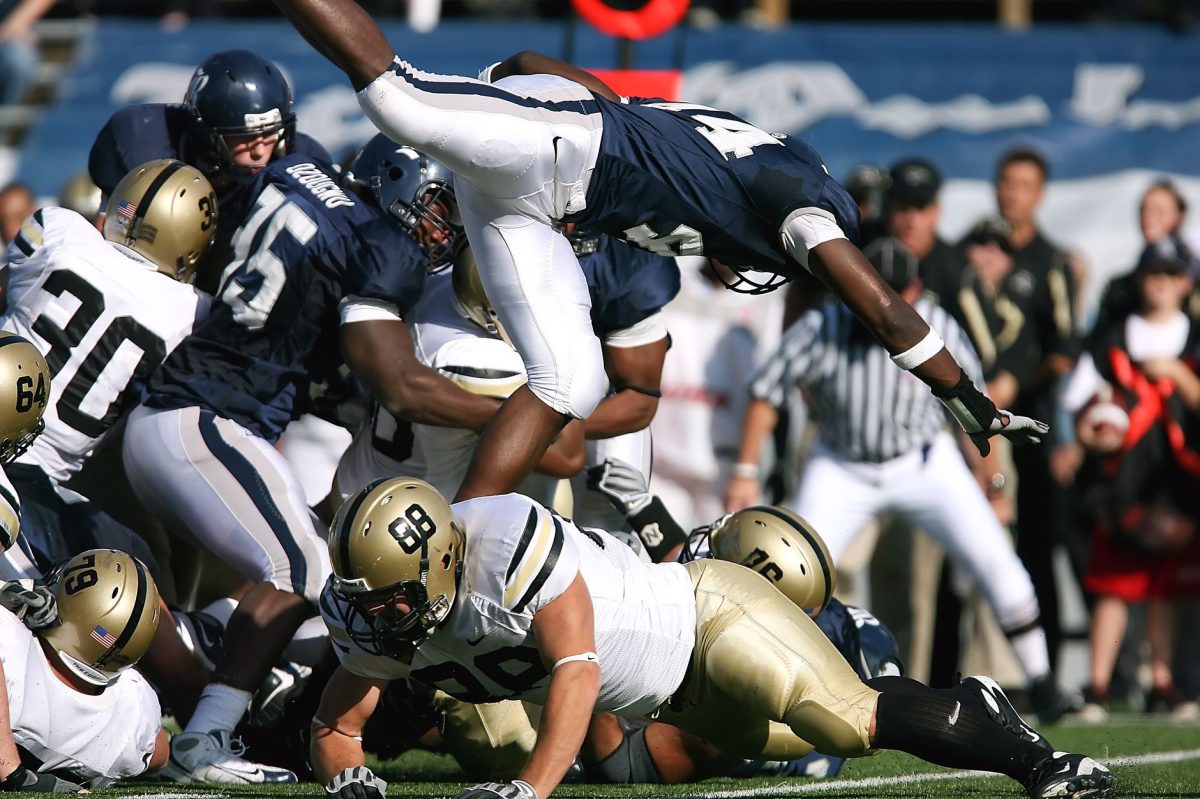
The recent incidents in football have highlighted the need to address toxic masculinity in sports. As a fan, a player, or an organization, it's essential to understand and challenge these behaviors to create a more inclusive environment. In this guide, you'll learn the 10 steps to identify and challenge toxic masculinity in sports.
Step 1: Educate Yourself On Toxic Masculinity
Start by researching the concept of toxic masculinity and its impact on sports culture. Read articles, books, and online resources to understand the complexities of this issue. Explore the work of experts like Jackson Katz, Tony Porter, and Jackson Katz to gain a deeper understanding of the subject.
Step 2: Recognize The Signs Of Toxic Masculinity
Pay attention to behaviors that perpetuate toxic masculinity, such as aggressive language, homophobic slurs, and objectification of women. Notice how these behaviors are perpetuated by teams, players, and fans. Identify the root causes of these behaviors and how they contribute to a toxic culture.
Step 3: Create A Safe And Inclusive Environment
Foster an atmosphere where athletes and fans feel comfortable speaking up against toxic behavior. Encourage open communication and provide resources for those who may be struggling with toxic masculinity. Establish a zero-tolerance policy for discriminatory behavior and ensure consequences for those who perpetuate it.
Step 4: Support Athletes Who Speak Out Against Toxicity
Stand with athletes who challenge toxic masculinity and provide them with resources and support. Amplify their voices and help create a culture where speaking out against toxicity is encouraged. Encourage other athletes to do the same and create a ripple effect of positive change.
Step 5: Engage In Active Listening
When confronted with toxic behavior, listen actively to the concerns of others and acknowledge their feelings. Avoid dismissing or minimizing their experiences and instead, focus on finding solutions and creating a more inclusive environment.
Step 6: Address Power Imbalances
Recognize the power dynamics at play in sports and how they contribute to toxic masculinity. Address these imbalances by creating opportunities for marginalized voices to be heard and valued.
Step 7: Foster A Growth Mindset
Encourage athletes and fans to view challenges as opportunities for growth and development. Emphasize the importance of self-awareness, empathy, and self-reflection in creating a more inclusive environment.
Step 8: Develop A Comprehensive Strategy
Create a strategy that addresses toxic masculinity in sports, including policies, procedures, and resources. Collaborate with experts, athletes, and fans to ensure a comprehensive approach that meets the needs of all stakeholders.
Step 9: Monitor Progress And Adjust
Regularly assess the impact of your efforts to address toxic masculinity in sports. Evaluate the effectiveness of your strategy and make adjustments as needed to ensure continued progress.
Step 10: Lead By Example
As a leader in sports, set the tone for a more inclusive environment by modeling positive behaviors and values. Encourage others to do the same and create a culture where toxic masculinity is not tolerated.
Many people overlook the importance of self-reflection in challenging toxic masculinity. Take time to reflect on your own biases and privilege to create a more inclusive environment.
By following these 10 steps, you'll be well on your way to identifying and challenging toxic masculinity in sports. Remember, creating a more inclusive environment takes time and effort, but the rewards are well worth it. Take the first step today and join the movement towards a more inclusive sports culture.