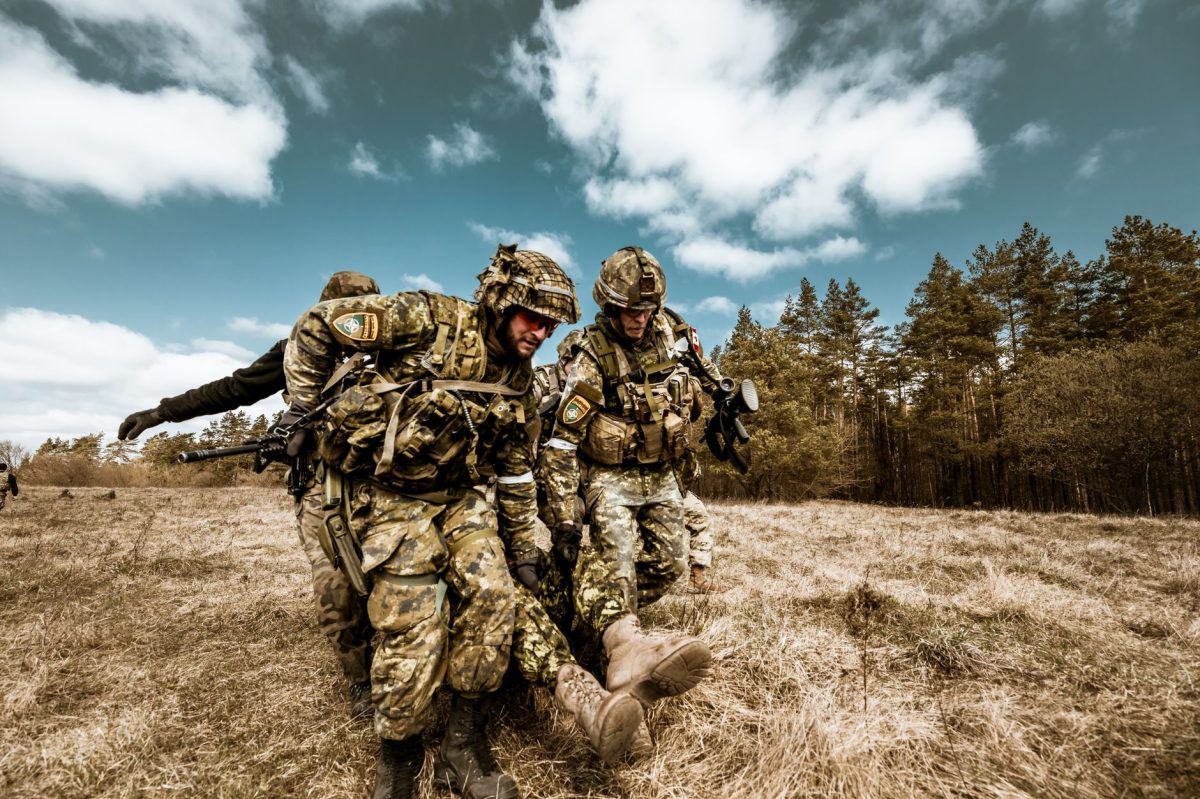
How To Stay Safe During Global Conflict: 10 Essential Steps
Protect yourself and your loved ones from the impact of wars and conflicts

With global conflicts on the rise, it's essential to know how to stay safe and prepared. Whether you're living in a war-torn area or just want to be ready for any situation, this guide will walk you through 10 essential steps to stay safe during global conflict. By the end of this article, you'll know exactly what to do to protect yourself and your loved ones.
Step 1: **Stay Informed** with Reliable News Sources
Stay up-to-date with the latest news and developments about the conflict. Use reputable news sources like BBC, Al Jazeera, or NPR to get accurate information. Set up news alerts on your phone or computer to receive updates in real-time. This will help you understand the situation and make informed decisions.
Step 2: Create a **Emergency Fund**
Having an emergency fund in place will help you cover essential expenses in case of a crisis. Aim to save 3-6 months' worth of living expenses in a separate, easily accessible savings account. You can use apps like Qapital or Digit to automatically transfer small amounts into your emergency fund each month.
Step 3: **Stock Up on Essential Supplies**
Make sure you have a sufficient stockpile of essential supplies like food, water, first aid kits, and medications. You can use online resources like the American Red Cross or the Federal Emergency Management Agency (FEMA) to get a list of must-have items. Consider investing in a portable water filter or a solar-powered charger for your phone or laptop.
Step 4: **Identify Safe Zones**
Research safe zones in your area and identify the best evacuation routes. Look for government-issued maps or resources from organizations like the Red Cross to get accurate information. Make sure you have a plan in place for how to get to these safe zones quickly and safely.
Step 5: **Stay Connected** with Loved Ones
In case of separation, make sure your loved ones know how to reach you. Use messaging apps like WhatsApp or Signal to stay in touch and share important updates. Consider investing in a personal locator beacon (PLB) or a satellite phone for emergency situations.
Step 6: **Create a Communication Plan**
Establish a communication plan with your family and friends. Designate a meeting point and a contact person in case of separation. Make sure everyone knows how to contact each other and what to do in case of an emergency.
Step 7: **Invest in **Self-Defense Training**
Consider taking self-defense classes or investing in personal protective equipment like pepper spray or a stun gun. This will help you feel more confident and prepared in case of a physical threat. Research local self-defense classes or online resources like the National Self-Defense Institute to get started.
Step 8: **Prepare a **Bug-Out Bag**
Assemble a bug-out bag with essential items like food, water, first aid kits, and a change of clothes. Make sure it's easily accessible and contains everything you need to survive for at least 72 hours. Consider investing in a portable shelter or a tarp to provide additional protection.
Step 9: **Stay Healthy**
Keep your immune system strong by getting enough sleep, eating a balanced diet, and exercising regularly. Use online resources like the World Health Organization (WHO) or the Centers for Disease Control and Prevention (CDC) to get tips on staying healthy during a crisis. Consider investing in a portable water filter or a water purification tablet to ensure access to clean drinking water.
Step 10: **Review and Update**
Regularly review and update your emergency plan to ensure it's still relevant and effective. Schedule regular check-ins with your family and friends to make sure everyone is on the same page. Use online resources like the Federal Emergency Management Agency (FEMA) or the American Red Cross to get tips on staying safe and prepared.
Consider investing in a personal emergency response system (PERS) device, which can send emergency alerts to your loved ones in case of a crisis.
By following these 10 essential steps, you'll be well-prepared to stay safe during global conflict. Remember to stay informed, create an emergency fund, and stock up on essential supplies. Don't wait until it's too late – take action today to protect yourself and your loved ones.