5 Ways To Evaluate Traffic Congestion Solutions Like The Boring Company's Vegas Loop
Learn how to assess the effectiveness of underground tunnel systems and alleviate traffic woes in your city
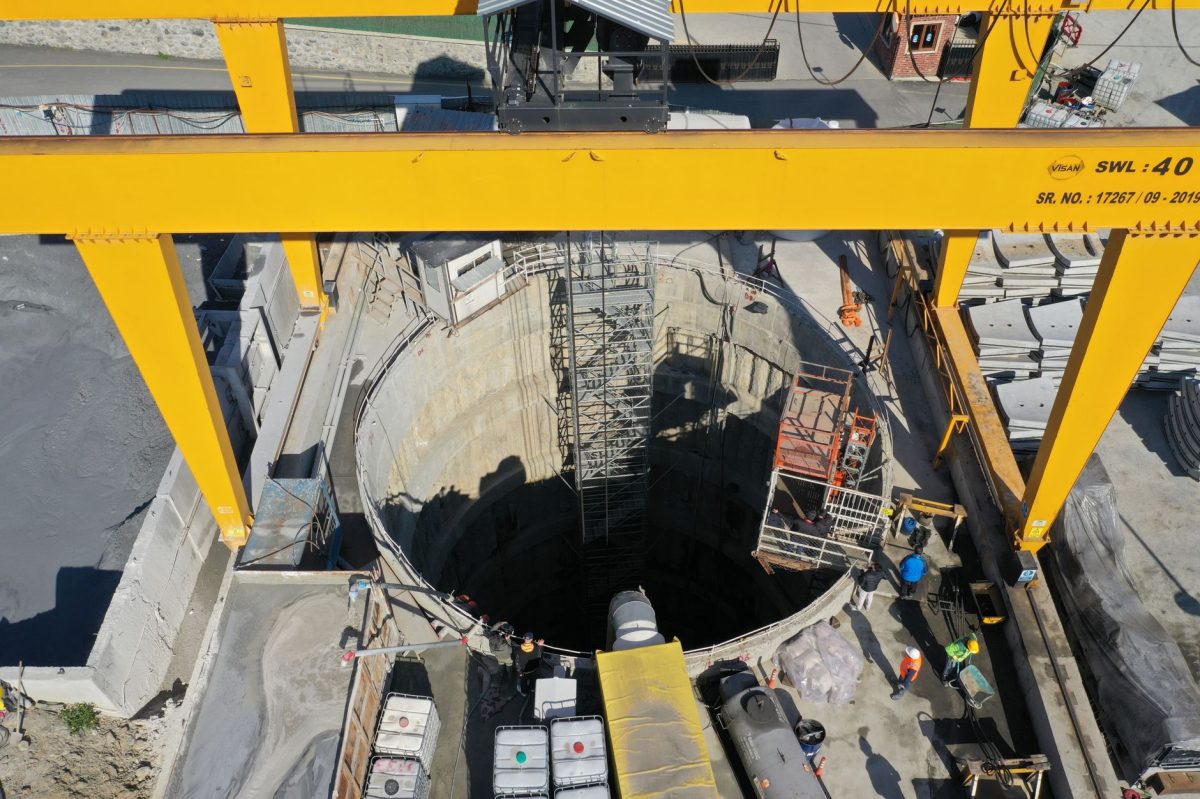
Are you tired of being stuck in traffic? With the rise of underground tunnel systems like The Boring Company's Vegas Loop, it's essential to evaluate the effectiveness of such solutions. In this guide, you'll learn 5 practical steps to assess traffic congestion solutions and alleviate traffic woes in your city.
Step 1: **Identify Key Performance Indicators (KPIs)**
To evaluate traffic congestion solutions, you need to identify key performance indicators (KPIs) such as travel time, traffic volume, and accident rates. Use online tools like Google's Traffic Congestion Index or the Federal Highway Administration's (FHWA) Traffic Statistics to gather data. Analyze the data to determine the effectiveness of the solution in alleviating traffic congestion. For example, the Vegas Loop has failed to meet its promised travel time reduction. Use this data to inform your assessment.
Step 2: Assess System Capacity
Assess the system capacity of the underground tunnel system by analyzing the number of vehicles it can handle and the frequency of departures. Use software like AutoTURN or Transportation Network Analysis (TNA) to simulate traffic flow and determine the optimal capacity of the system. Consider factors like peak hour demand, road network congestion, and system maintenance schedules when assessing capacity.
Step 3: Evaluate Public Transportation Options
Evaluating public transportation options is crucial in assessing the effectiveness of traffic congestion solutions. Consider the availability, frequency, and reliability of public transportation services like buses, trains, and ride-hailing services. Use online tools like Transit or Moovit to plan routes and schedules, and analyze data on ridership, passenger revenue, and operational efficiency.
Step 4: Consider Environmental Impact
When evaluating traffic congestion solutions, consider the environmental impact of the system. Assess the carbon footprint of the system, including emissions from vehicles, energy consumption, and waste management. Use tools like the Environmental Protection Agency's (EPA) Greenhouse Gas Equivalencies Calculator to estimate emissions and develop strategies to reduce the environmental impact of the system.
Step 5: Engage with Stakeholders
Engaging with stakeholders, including residents, businesses, and government officials, is crucial in assessing the effectiveness of traffic congestion solutions. Conduct surveys, focus groups, and public meetings to gather feedback and concerns about the system. Use online tools like SurveyMonkey or Google Forms to collect data and analyze feedback. This will help you identify areas for improvement and develop a more effective traffic congestion solution.