How To Improve Maritime Safety Standards in 2026
5 Essential Safety Guidelines for Seafarers and Ship Owners
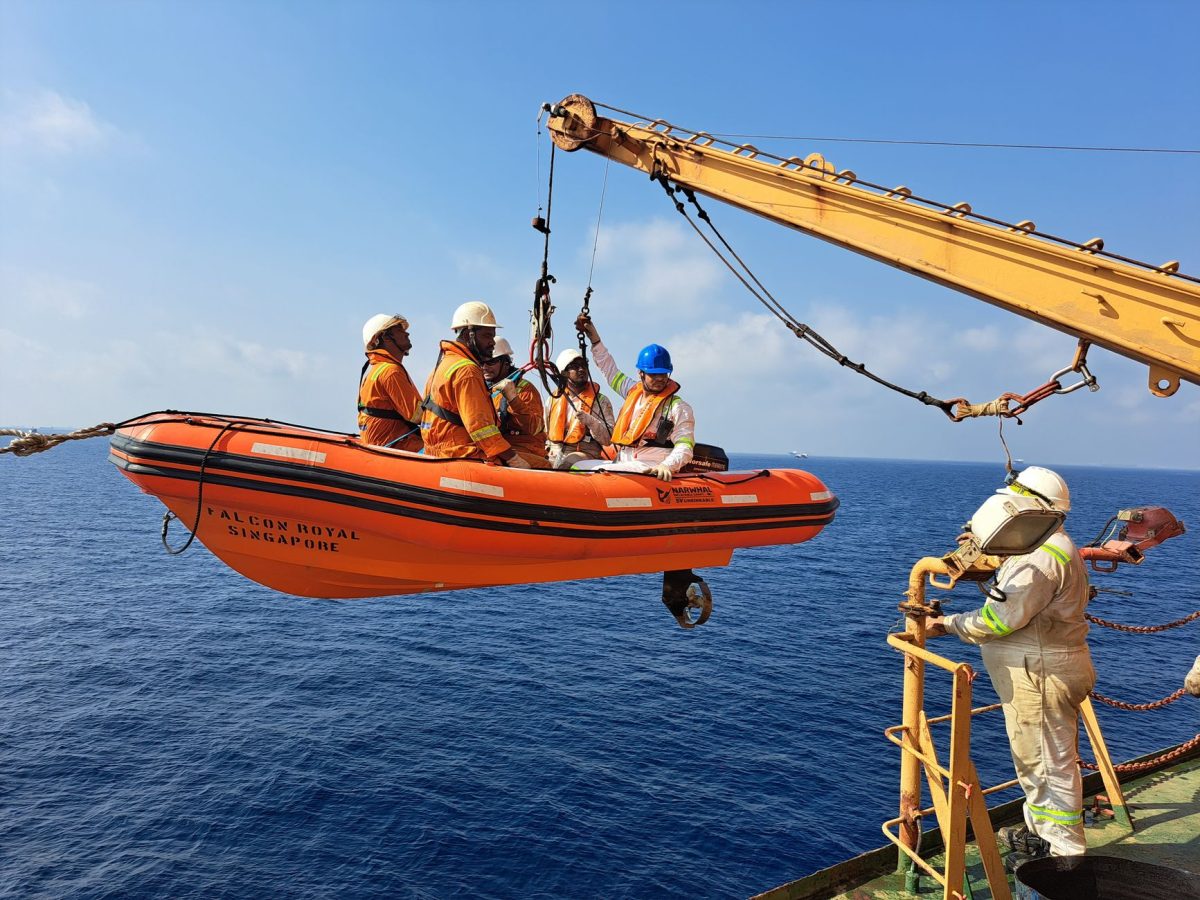
The recent viral video of a seafarer's body on a vessel off Oman's coast highlights the pressing need for improved maritime safety in the Gulf region. As the shipping industry continues to grow, it's essential for ship owners and seafarers to adhere to strict safety standards. In this guide, we'll outline 5 practical steps to enhance maritime safety and prevent such tragic incidents. By following these guidelines, you'll be better equipped to ensure the well-being of seafarers and protect your vessels from accidents.
Step 1: Conduct Regular Vessel Inspections
Schedule regular inspections of your vessels, including their hulls, machinery, and safety equipment. This can be done quarterly or bi-annually, depending on the vessel's usage and age. Use the International Maritime Organization's (IMO) guidelines for vessel inspections, which include checking for any damage, corrosion, or wear and tear. Make sure to record all inspection results and maintain a logbook for future reference. Compliance with these inspections is crucial to identifying potential safety hazards and preventing accidents.
Step 2: Implement Safety Training Programs
Invest in comprehensive safety training programs for your seafarers, covering topics such as emergency procedures, fire safety, and first aid. Consider enrolling your crew in the IMO's Basic Safety Training (BST) program, which includes modules on life-saving appliances, firefighting, and survival techniques. Provide regular refresher courses and update your crew's knowledge on the latest safety protocols. Knowledge is key to preventing accidents and ensuring the safety of your seafarers.
Step 3: Upgrade Safety Equipment and Technology
Stay up-to-date with the latest safety technologies and equipment, such as Automatic Identification Systems (AIS), Electronic Chart Display and Information Systems (ECDIS), and Global Maritime Distress and Safety System (GMDSS) equipment. Consider investing in advanced navigation systems, such as those using artificial intelligence (AI) and machine learning (ML). Regularly update your vessel's safety equipment to ensure compliance with international regulations and standards. Innovation can help mitigate risks and improve vessel safety.
Step 4: Enhance Communication and Reporting
Establish clear communication channels and reporting protocols among your seafarers and shore-based staff. Use digital tools, such as mobile apps and software, to enhance communication and facilitate reporting. Consider implementing a vessel management system that integrates all relevant safety data, including weather forecasts, vessel performance, and crew activities. This will enable you to respond quickly to potential safety hazards and prevent accidents. Transparency is essential to ensuring vessel safety and preventing incidents.
Step 5: Monitor and Analyze Safety Data
Collect and analyze safety data from various sources, including vessel performance, crew reports, and incident records. Use this data to identify patterns and trends that may indicate potential safety hazards. Implement data-driven decision-making to adjust your safety protocols and procedures accordingly. Consider using data analytics tools, such as those provided by the IMO, to help you make informed decisions and improve vessel safety. Data-driven decision-making can help you stay ahead of safety risks and prevent accidents.
Don't underestimate the importance of **seafarer feedback**. Encourage open communication and solicit feedback from your crew to identify potential safety hazards and areas for improvement. This will not only enhance vessel safety but also boost crew morale and productivity.
By following these 5 essential safety guidelines, you'll be well on your way to improving maritime safety standards and preventing tragic incidents like the one off Oman's coast. Remember to stay vigilant, adapt to changing safety regulations, and continuously monitor and analyze safety data to ensure the well-being of seafarers and protect your vessels. Start implementing these guidelines today and take the first step towards a safer maritime industry.