How To Evaluate Space Mission Risks: A 10-Step Guide
Assess and mitigate potential flaws in space missions like NASA's Artemis programme
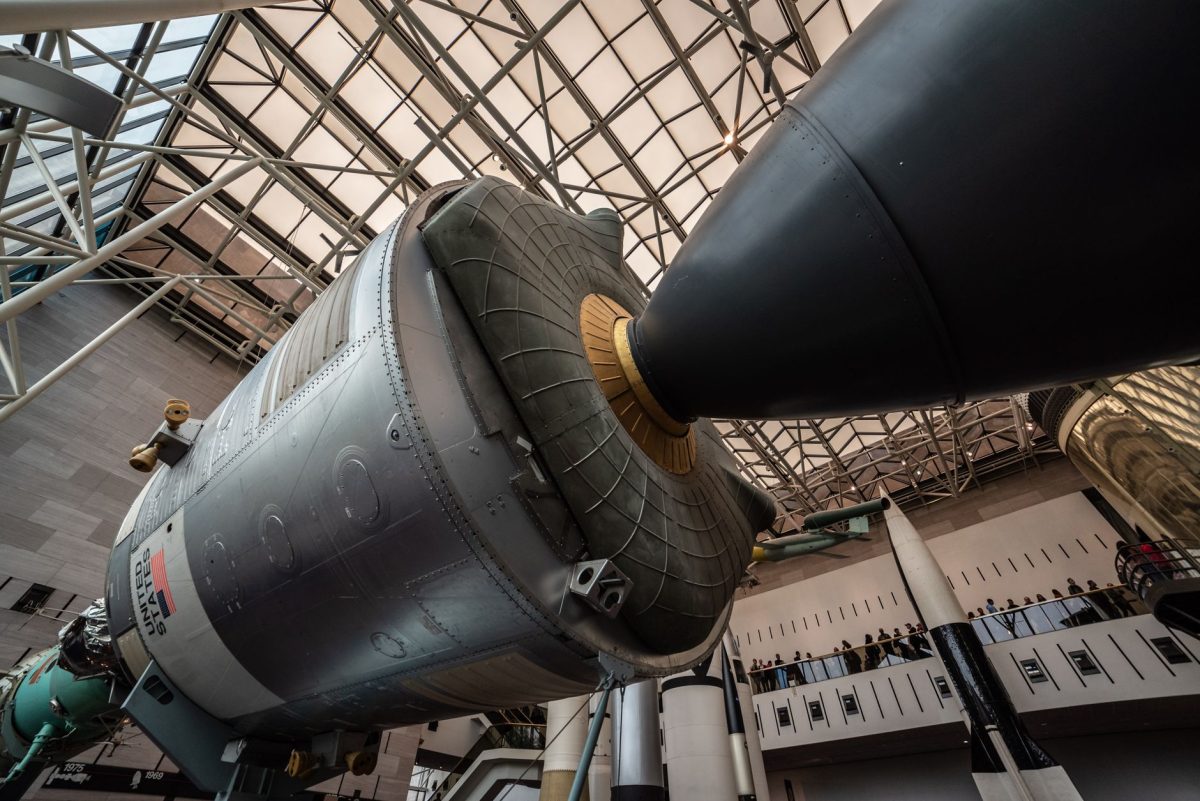
Space missions are a marvel of modern technology, but they're not without risks. Evaluating these risks is crucial to ensuring the success of a mission. In this guide, you'll learn how to assess and mitigate potential flaws in space missions like NASA's Artemis programme.
Step 1: **Identify Potential Flaws**
Begin by researching the space mission and identifying potential flaws. Look for areas where the mission design, technology, or operations may be vulnerable to errors or failures. Use online resources like NASA's mission documentation and space industry reports to gather information.
Step 2: **Assess Risk Factors**
Create a risk assessment matrix to evaluate the likelihood and impact of potential flaws. Consider factors like mission complexity, technology reliability, and operational procedures. Use a tool like the Failure Mode and Effects Analysis (FMEA) to help you assess risk factors.
Step 3: **Analyze Mission Documentation**
Review mission documentation, including design specifications, technical reports, and operational manuals. Look for areas where the mission design or operations may be flawed or vulnerable to errors. Use online tools like NASA's Technical Reports Server (NTRS) to access mission documentation.
Step 4: **Consult with Experts**
Reach out to experts in the space industry, including engineers, scientists, and project managers. Ask for their input on potential flaws and risk factors. Use online platforms like LinkedIn or Reddit to connect with space industry professionals.
Step 5: **Conduct a Failure Mode Analysis**
Use a failure mode analysis tool like the Failure Mode and Effects Analysis (FMEA) to identify potential failure modes and their effects on the mission. This will help you prioritize risk mitigation efforts.
Step 6: **Develop a Risk Mitigation Plan**
Based on your risk assessment and failure mode analysis, develop a risk mitigation plan. This may involve implementing additional safety measures, modifying the mission design, or increasing testing and validation efforts.
Step 7: **Test and Validate**
Test and validate the mission design and operations to ensure that potential flaws are identified and mitigated. Use tools like simulation software and testing facilities to validate the mission design.
Step 8: **Monitor and Update**
Continuously monitor the mission and update the risk mitigation plan as needed. This may involve revising the mission design, modifying operational procedures, or implementing additional safety measures.
Step 9: **Communicate with Stakeholders**
Communicate the risk assessment and risk mitigation plan to stakeholders, including project managers, engineers, and scientists. Use online tools like project management software and collaboration platforms to facilitate communication.
Step 10: **Review and Improve**
Regularly review and improve the risk assessment and risk mitigation plan. This may involve revising the mission design, modifying operational procedures, or implementing additional safety measures based on lessons learned from previous missions.
Don't overlook the importance of human factors in space mission risk assessment. Consider the physical and mental well-being of astronauts and the impact of stress and fatigue on mission performance.
By following these 10 steps, you'll be able to evaluate space mission risks and develop effective risk mitigation strategies. This will help ensure the success of space missions like NASA's Artemis programme and contribute to the advancement of space exploration.