How To Stay Safe in Conflict Zones: The 5 Tips
Protect yourself and your loved ones with these essential steps when violence erupts in your area
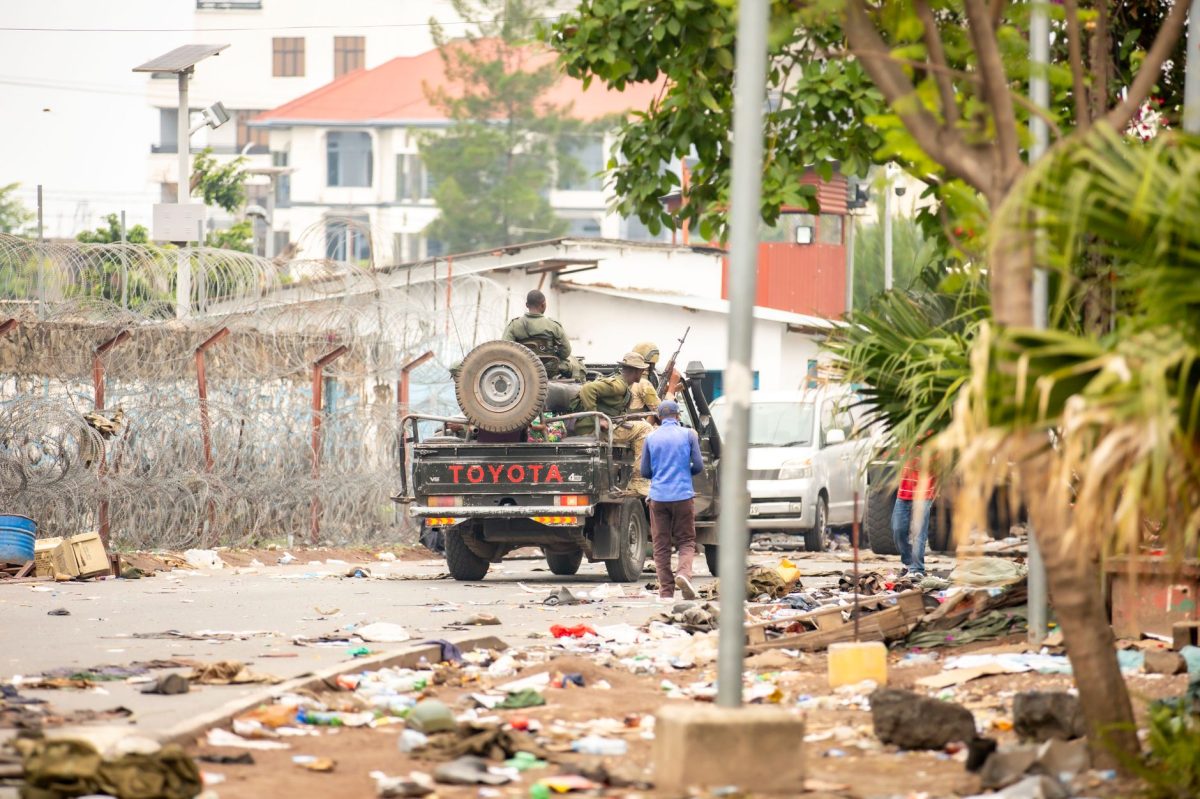
Conflict zones can be unpredictable and hazardous, but with the right knowledge and preparation, you can minimize your risk of injury or harm. As tensions rise in Gaza, it's essential to know how to stay safe in conflict zones. In this guide, we'll walk you through the 5 essential steps to protect yourself and your loved ones when violence erupts in your area.
Step 1: **Stay Informed** about the Conflict
Stay up-to-date with the latest news and developments in the conflict zone. Follow reputable news sources, such as the BBC, Al Jazeera, or the New York Times, and sign up for emergency alerts from your government or local authorities. This will help you understand the situation and make informed decisions about your safety. You can also use apps like Google News or Apple News to stay informed on the go.
Step 2: **Identify Safe Zones** and Evacuation Routes
Familiarize yourself with the safest areas in your neighborhood or city, including schools, hospitals, and other emergency shelters. Learn the nearest evacuation routes and identify safe places to take cover, such as basements or underground parking garages. You can use online maps like Google Maps or ArcGIS to identify safe zones and evacuation routes.
Step 3: **Create a Safety Plan** with Your Family
Develop a family emergency plan that includes a safe meeting point, evacuation routes, and a communication plan. Make sure all family members know the plan and can follow it in case of an emergency. You can use a safety app like bSafe or Life360 to create a safety plan and stay connected with your loved ones.
Step 4: **Stock an Emergency Kit** with Essential Supplies
Assemble a disaster supply kit with essential items, such as food, water, first aid supplies, and a battery-powered radio. Make sure to include medications, flashlights, and extra batteries. You can use a checklist like the American Red Cross's Emergency Kit Checklist to ensure you have everything you need. Consider stocking up on non-perishable food items and bottled water for at least 3 days.
Step 5: **Know When to Evacuate** and Seek Shelter
Know the signs of an impending conflict, such as increased military presence or loud gunfire. If you feel it's too dangerous to stay in your home, evacuate immediately to a safe location. Use a loudspeaker or a whistle to signal to your family that it's time to leave. Remember to stay calm and follow your safety plan to minimize your risk of injury or harm.
Don't rely solely on your government or local authorities for safety information. Stay informed and take proactive steps to protect yourself and your loved ones.
By following these 5 essential steps, you can significantly reduce your risk of injury or harm in a conflict zone. Remember to stay informed, identify safe zones, create a safety plan, stock an emergency kit, and know when to evacuate. Your safety is your top priority, and with the right knowledge and preparation, you can stay safe in conflict zones.