How To Prepare for a Water Shortage in Your Community
A Step-by-Step Guide to Staying Safe and Informed During a Severe Drought
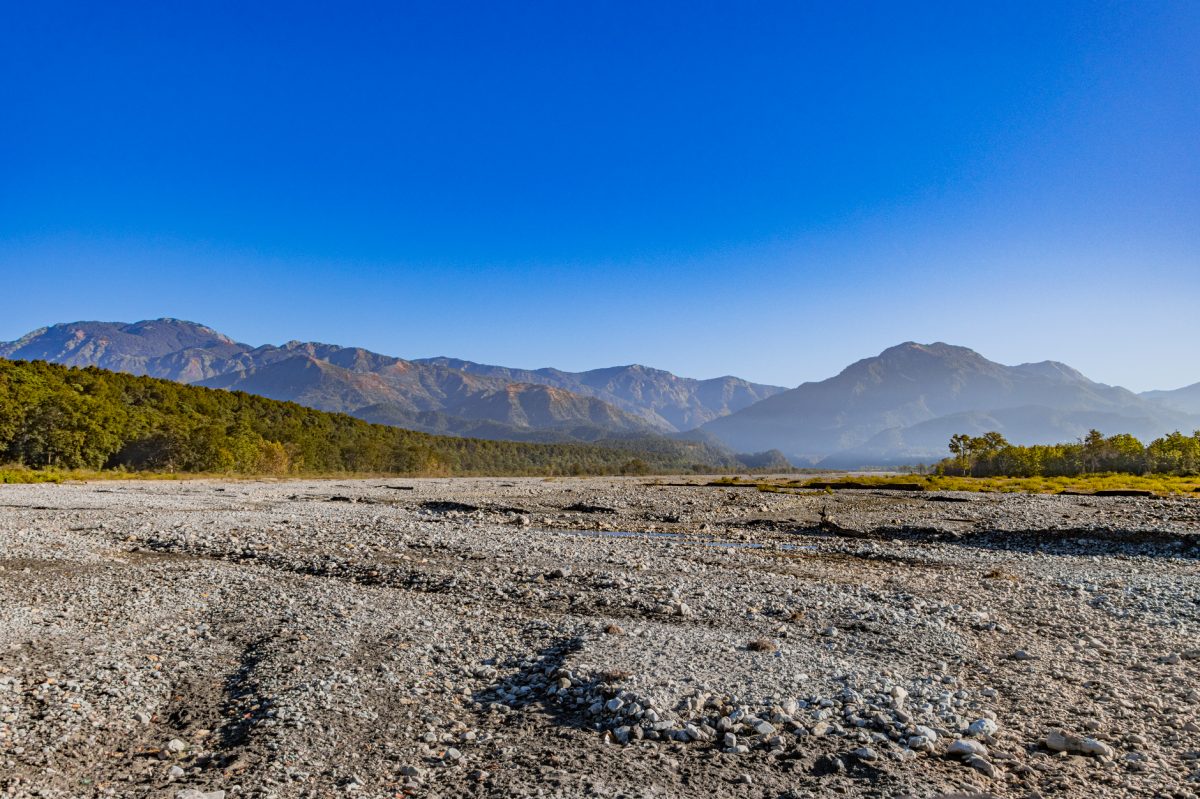
Severe droughts have ravaged communities worldwide, leaving millions without access to clean water. As Africa faces one of its worst water crises, it's essential to be prepared for a potential shortage in your own community. This guide will walk you through the steps to ensure your household, family, and neighbors are equipped to handle a water shortage.
Step 1: **Conserve Water Immediately**
Begin by identifying areas where water is wasted, such as leaky faucets, inefficient appliances, and long showers. Fixing these issues can help reduce your water usage significantly. Use the WaterSense tool to find and install water-efficient appliances and fixtures. Additionally, consider implementing a 'no-flush' policy for low-flow toilets and showers.
Step 2: Create a Water Storage Plan
Invest in a water storage container, such as a 55-gallon drum, to collect and store rainwater for non-potable purposes like flushing toilets. You can also consider investing in a water purification system, like the LifeStraw Home, to ensure safe drinking water. Calculate your community's water storage capacity based on the number of residents and their water needs.
Step 3: Develop a Communication Network
Build relationships with your neighbors and community leaders to create a network that will inform and support one another during a water shortage. Use social media platforms like Nextdoor or neighborhood apps like Ring to disseminate information and coordinate efforts. Schedule regular meetings to discuss water conservation strategies and share resources.
Step 4: Identify Alternative Water Sources
Research local water sources, such as ponds, lakes, or rivers, and understand the safety protocols for collecting and purifying water from these sources. Consider collaborating with local farmers or landowners to access their water sources. Familiarize yourself with the water treatment process and the necessary equipment, like water filters and purification tablets.
Step 5: Stay Informed and Prepare for Long-Term Solutions
Stay up-to-date with local news and weather forecasts to anticipate potential water shortages. Attend community meetings and town halls to discuss long-term solutions, such as water recycling or desalination plants. Consider consulting with experts, like hydrologists or water engineers, to develop a comprehensive plan for your community.
One often-overlooked aspect of water shortage preparedness is the importance of mental health and social support. During a crisis, it's essential to prioritize community well-being and provide resources for emotional support and stress management.
By following these steps, you'll be well-prepared to face a water shortage in your community. Remember to stay informed, adapt to changing circumstances, and work collaboratively with your neighbors to ensure a safe and resilient community.