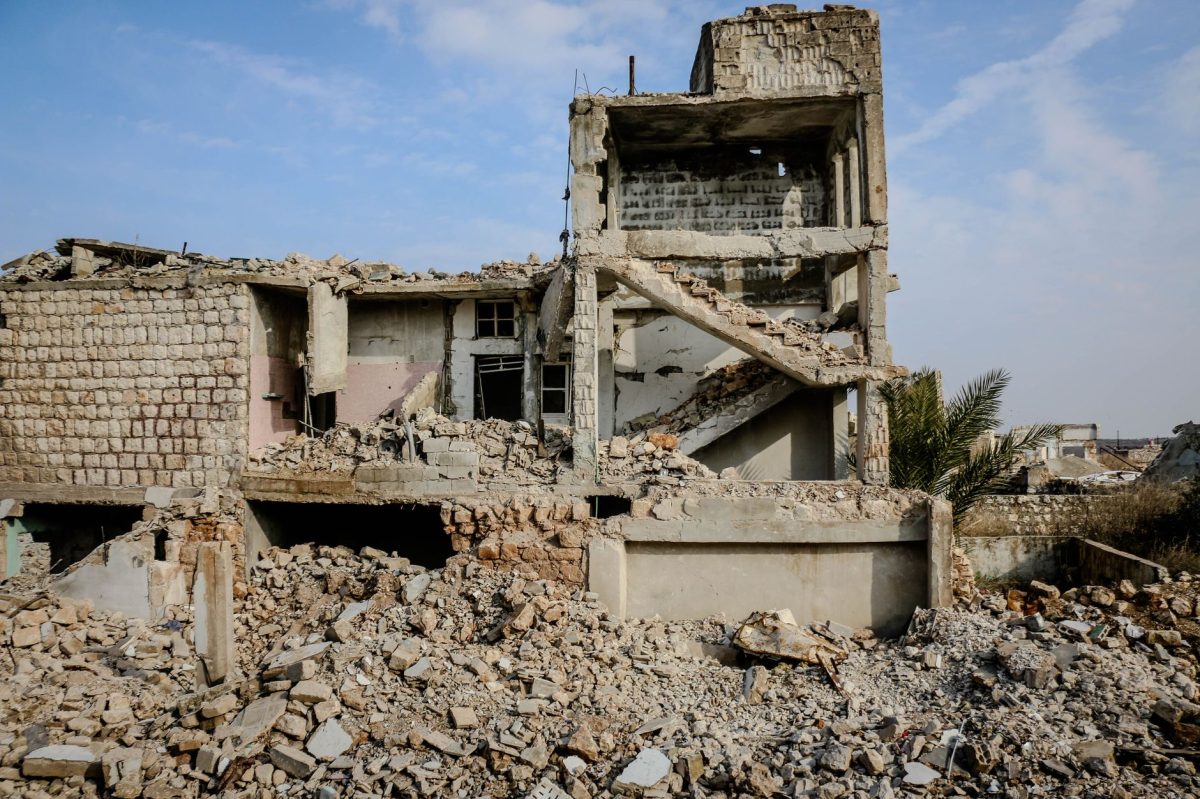
How To Provide Humanitarian Aid to Affected Communities 2026
Essential Steps to Offer Support and Assistance to Those in Need
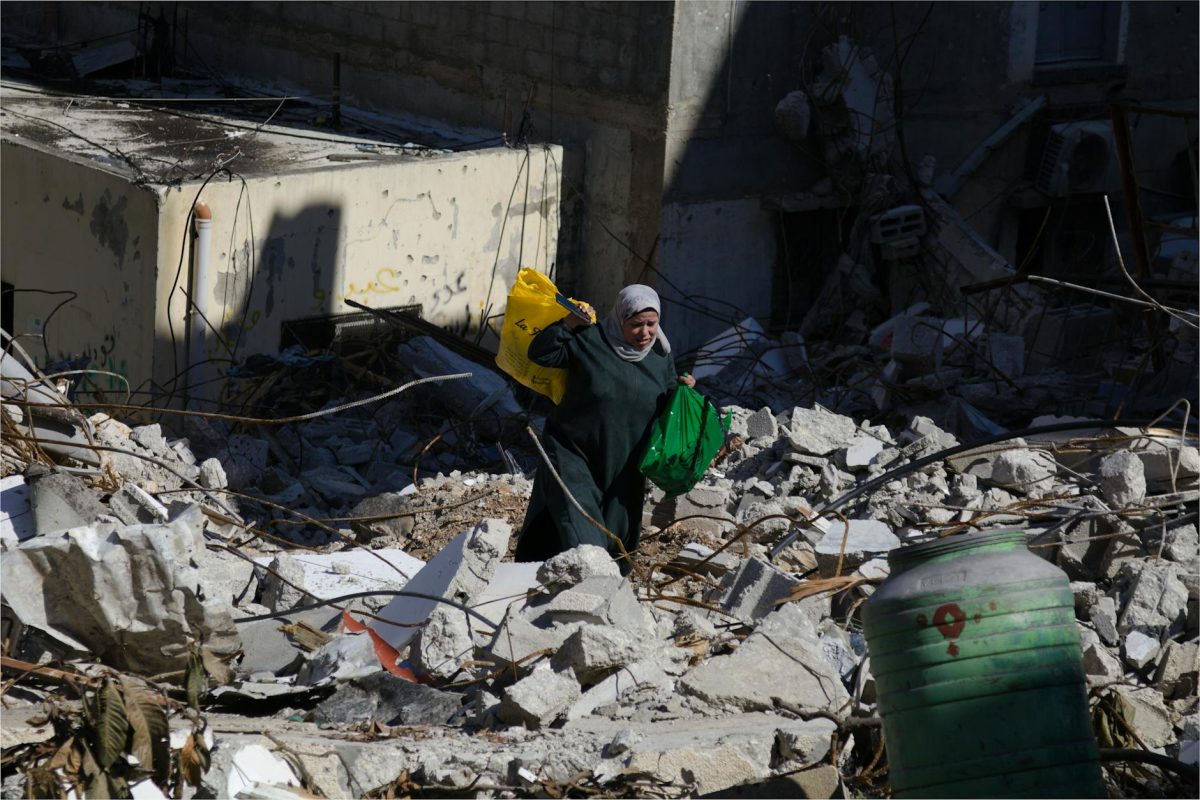
In the wake of devastating events like the Israeli strike in Khan Younis, it's more crucial than ever to know how to provide humanitarian aid to affected communities. This guide will walk you through the essential steps to offer support and assistance to those in need. By following these steps, you'll be able to make a tangible difference in the lives of those affected by disasters and conflicts.
Step 1: **Assess the Situation**
Before providing humanitarian aid, it's essential to assess the situation on the ground. Research the affected area, the type of disaster that occurred, and the current needs of the community. Reliable sources for this information include the United Nations Office for the Coordination of Humanitarian Affairs (UNOCHA) and the International Committee of the Red Cross (ICRC).
Step 2: **Identify the Most Vulnerable Groups**
Humanitarian aid should prioritize the most vulnerable groups, such as women, children, and the elderly. Consider the specific needs of these groups, including food, shelter, water, and medical care. You can use tools like the Humanitarian Data Exchange (HDX) to identify the most affected areas and populations.
Step 3: **Choose a Reputable Aid Organization**
Partnering with a reputable aid organization is crucial to ensure that your donations are used effectively. Look for organizations with a strong track record of providing aid in the affected area and a transparent system for allocating resources. Some reputable aid organizations include the Red Cross, Doctors Without Borders, and Oxfam.
Step 4: **Donate Essential Items**
Donate essential items such as food, clothing, and household goods that are specifically requested by the aid organization. You can also consider donating funds or volunteering your time. Some organizations, like the American Red Cross, have online donation platforms where you can easily donate.
Step 5: **Volunteer Your Time**
Volunteering your time is a great way to make a tangible difference in the lives of those affected. Consider volunteering with an aid organization or local community group that is providing support to the affected community. You can also use platforms like VolunteerMatch to find volunteer opportunities in your area.
Step 6: **Raise Awareness**
Raising awareness about the affected community and the humanitarian aid efforts is crucial to mobilizing support and resources. Use social media platforms to share information and updates about the aid efforts, and consider writing letters to your local government representatives to advocate for increased support for humanitarian aid.
Step 7: **Support Local Economies**
Supporting local economies is essential to helping communities rebuild and recover. Consider donating money or resources to local businesses or cooperatives that are providing essential services to the affected community. You can also use platforms like Kiva to support microfinance initiatives in the affected area.
Step 8: **Respect Cultural Sensitivities**
When providing humanitarian aid, it's essential to respect cultural sensitivities and avoid imposing your own cultural values or practices on the affected community. Research the local customs and traditions, and work with aid organizations that have experience working in the affected area.
Step 9: **Follow Safety Protocols**
When providing humanitarian aid, it's essential to follow safety protocols to ensure your own safety and the safety of the affected community. Research the local safety situation, and work with aid organizations that have experience navigating the affected area. Consider using personal protective equipment (PPE) and following proper hygiene protocols when interacting with the affected community.
Step 10: **Monitor and Evaluate**
After providing humanitarian aid, it's essential to monitor and evaluate the impact of your efforts. Work with aid organizations to track the distribution of aid and the needs of the affected community. Use this information to refine your aid efforts and ensure that you are making a tangible difference in the lives of those affected.
Many aid organizations have strict guidelines and protocols for providing humanitarian aid. Be sure to research and understand these guidelines before providing aid to avoid inadvertently causing harm or disrupting the aid efforts.
By following these essential steps, you'll be able to provide effective humanitarian aid to affected communities and make a tangible difference in the lives of those in need. Remember to stay informed, be respectful, and follow safety protocols to ensure that your aid efforts are successful. Next, consider volunteering your time or donating resources to aid organizations that are working in the affected area.