How To Support Humanitarian Efforts During Conflict: 7 Steps
A practical guide to making a difference in crisis situations around the world
In times of conflict and crisis, it's essential to know how to make a positive impact. As Amnesty International's Agnes Callamard calls for the release of Gaza hospital director Abu Safia, we explore 7 practical steps to support humanitarian efforts. This guide provides actionable tips to help you navigate crisis situations and make a difference.
Step 1: **Stay Informed**
Stay up-to-date with the latest news and updates from reputable sources like the United Nations, Amnesty International, and human rights organizations. Set up news alerts on your phone or follow key influencers on social media to ensure you're aware of unfolding crises. Utilize news aggregator apps like Apple News or Google News to streamline your news feed.
Step 2: **Donate Effectively**
Research and choose reputable charities, such as the Red Cross or Doctors Without Borders, that have a track record of delivering aid in crisis situations. Consider donating through platforms like GiveWell or Charity Navigator, which provide ratings and recommendations based on transparency and efficiency. Be cautious of crowdfunding campaigns and ensure you're giving to legitimate causes.
Step 3: **Volunteer Your Time**
Look for opportunities to volunteer with local organizations or charities that support humanitarian efforts. You can also offer your skills, such as writing, design, or social media management, to help amplify the work of these organizations. Websites like VolunteerMatch or Idealist can connect you with volunteer opportunities that align with your interests and skills.
Step 4: **Advocate for Change**
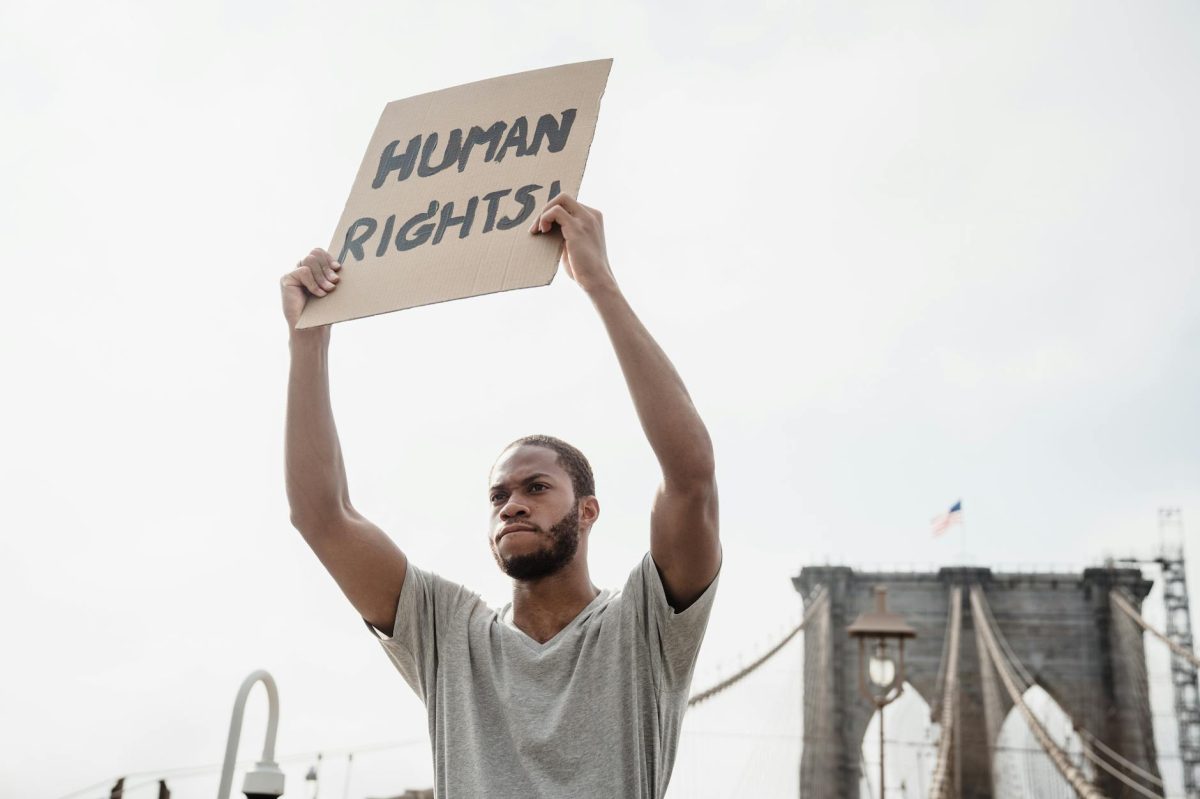
Use your voice to raise awareness about humanitarian crises and advocate for policy changes that support affected communities. Write letters or sign petitions to your government representatives, share articles and updates on social media, and participate in peaceful protests or rallies. Utilize social media platforms like Twitter or Facebook to amplify your message and reach a wider audience.
Step 5: **Support Refugees and Displaced Persons**
Consider donating essential items like food, clothing, or personal hygiene products to refugee centers or camps. You can also offer your time to help with tasks like language classes, childcare, or emotional support. Websites like the UNHCR or RefugeeOne provide information on how to support refugees and displaced persons in your community.
Step 6: **Educate Yourself and Others**
Learn about the root causes of humanitarian crises, such as poverty, conflict, or natural disasters, and share your knowledge with others. Organize workshops, lectures, or community events to raise awareness and promote understanding. Utilize online resources like TED Talks, documentaries, or educational videos to deepen your understanding of humanitarian issues.
Step 7: **Take Action Locally**
Look for opportunities to support humanitarian efforts in your local community, such as food drives, charity runs, or fundraising events. Partner with local organizations or businesses to amplify your impact and reach a wider audience. Utilize platforms like Eventbrite or Facebook Events to promote your local initiatives and attract more supporters.
Often, the most effective way to support humanitarian efforts is to focus on preventative measures, such as promoting education, economic empowerment, and social justice. By addressing the root causes of crisis situations, you can help create a more sustainable and equitable world.
By following these 7 steps, you can make a meaningful difference in humanitarian efforts during conflict situations. Remember to stay informed, donate effectively, and advocate for change to create positive impact. Take the first step today and join the movement towards a more compassionate and just world.