How To Stay Safe During a Regional Conflict: 5 Ways To Protect Yourself
Understand the Risks and Take Action to Ensure Your Security in Times of Crisis
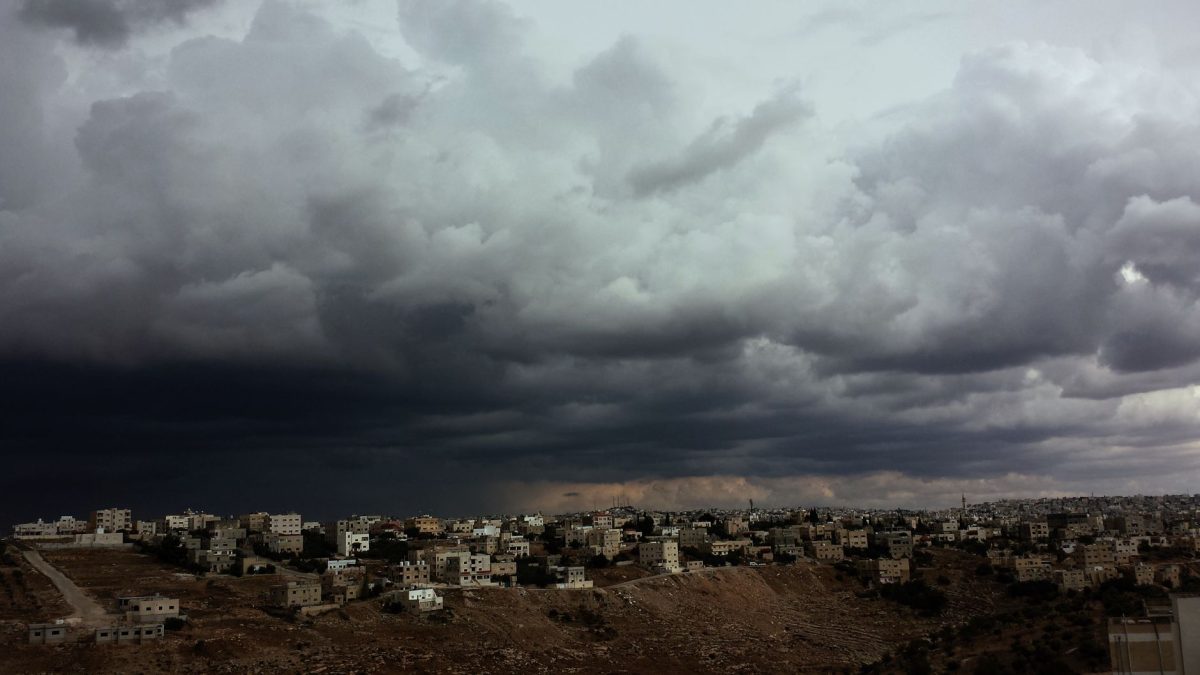
Regional conflicts can erupt without warning, putting you and your loved ones at risk. Understanding the risks and taking proactive measures can help you stay safe. This guide will walk you through 5 essential steps to protect yourself in a conflict zone.
Step 1: **Staying Informed**: Monitor News and Alerts
Stay up-to-date with the latest news and alerts from reliable sources, such as the U.S. Department of State's Travel Advisory website (travel.state.gov), the BBC News (bbc.com), and local news outlets. Set up emergency alerts on your phone to receive timely updates.
Step 2: **Creating a Safe Zone**: Designate a Safe Area at Home
Identify a safe room or area in your home, such as a basement or interior room, and stock it with essential supplies like non-perishable food, water, first aid kit, and a battery-powered radio. Make sure all family members know the location of the safe zone.
Step 3: **Building a Support Network**: Connect with Local Authorities and Expat Groups
Reach out to local authorities, such as the embassy or consulate of your home country, and register with them. Join local expat groups or online forums to stay connected with other international individuals and receive valuable advice and support.
Step 4: **Developing an Emergency Plan**: Create a Contingency Plan
Develop a comprehensive emergency plan, including evacuation routes, emergency contact numbers, and a communication plan. Consider working with a local guide or security expert to help you create a tailored plan.
Step 5: **Maintaining Mental Well-being**: Prioritize Self-Care and Stress Management
Engage in regular self-care activities, such as meditation, exercise, or hobbies, to help manage stress and maintain your mental well-being. Connect with friends and family back home through regular calls or video chats to maintain a sense of connection and support.
Consider investing in a personal security device, such as a wearable alarm or a portable safe, to provide an added layer of protection.
By following these 5 steps, you can significantly reduce your risk of harm and stay safe during a regional conflict. Remember to stay informed, create a safe zone, build a support network, develop an emergency plan, and prioritize your mental well-being. Take action today to ensure your security and the security of those you care about.