How To Stay Safe During Border Conflicts: The 7 Steps
Protect yourself and your loved ones from the risks of war and conflict zones
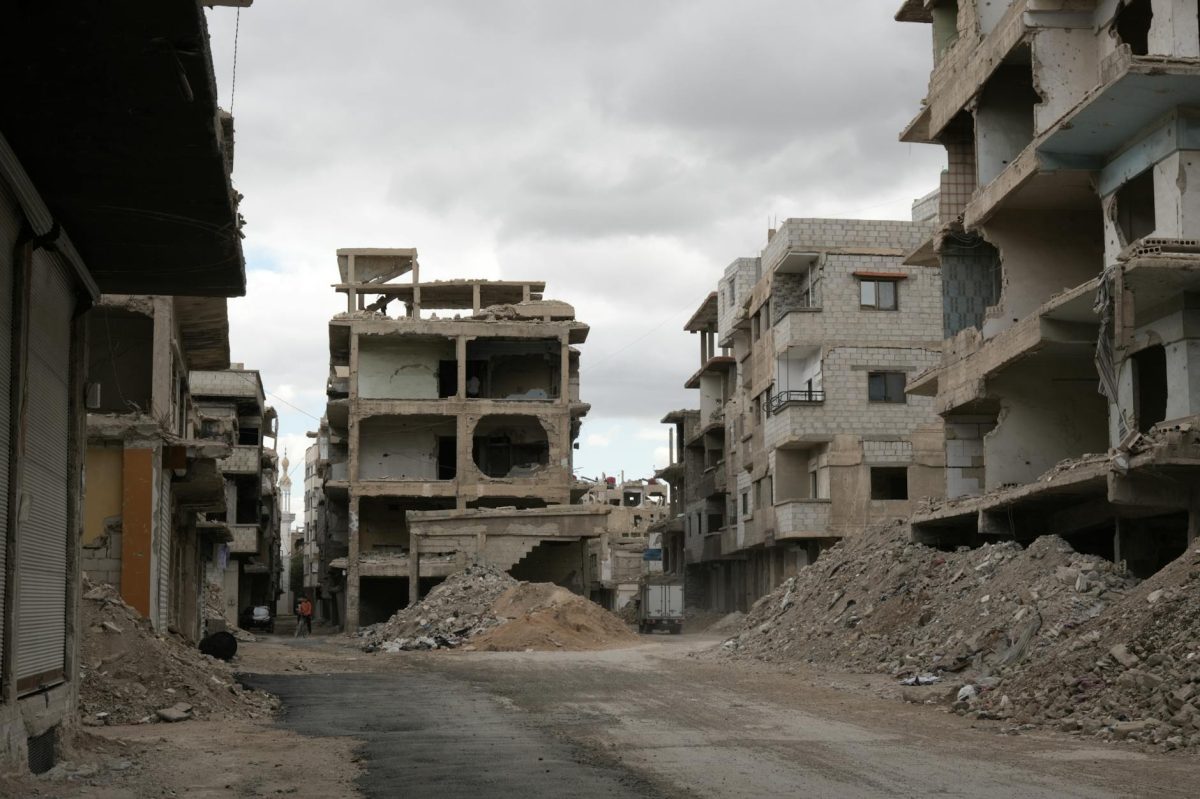
As global tensions rise and conflicts spread, staying safe in high-risk areas has become a growing concern for travelers, expats, and locals alike. With the ongoing conflict in Lebanon, it's essential to know how to protect yourself and your loved ones. In this guide, you'll learn the 7 steps to stay safe during border conflicts and minimize your risk of harm.
Step 1: **Stay Informed** About Local Conditions
Stay up-to-date with the latest news and developments in the region by following reputable sources such as BBC News, Al Jazeera, and local news outlets. Use online resources like Google News or news aggregator apps like Flipboard to curate your news feed. Be cautious of fake news and unverified sources, and rely on official statements from government agencies and international organizations for accurate information.
Step 2: **Monitor Local Alerts** and Travel Advisories
Check the official government travel advisories for your country, such as the US Department of State's Travel Advisory website or the UK Foreign and Commonwealth Office's Travel Advice website, to stay informed about the latest travel risks and alerts. Set up alerts on your phone or email to receive updates on local conditions and travel advisories.
Step 3: **Plan Your Exit** Strategically
In case of an emergency, have a plan in place for evacuating the area quickly and safely. Research evacuation routes, identify safe zones, and have a communication plan with your emergency contacts. Consider registering with your country's embassy or consulate to receive important safety and security updates.
Step 4: **Build a Support Network**
Surround yourself with people you trust and who can provide support in case of an emergency. Build relationships with locals, expats, and other travelers who have experience in the area. Consider joining online expat communities or social groups to connect with others who share similar concerns and experiences.
Step 5: **Stay Connected** with Loved Ones
Keep in touch with family and friends back home through regular phone calls, video chats, or messaging apps like WhatsApp or Signal. Make sure they know your itinerary, whereabouts, and any changes to your plans. Consider using a secure messaging app like Threema or Telegram for sensitive communications.
Step 6: **Be Prepared** with an Emergency Kit
Assemble an emergency kit with essential items such as a first-aid kit, non-perishable food, water, and a battery-powered radio. Consider investing in a portable charger or power bank to keep your devices charged. Stay up-to-date on local emergency contact numbers and protocols for reporting incidents.
Step 7: **Stay Vigilant** and Adaptable
Stay alert and aware of your surroundings, and be prepared to adapt to changing circumstances. Trust your instincts and follow your local guides' advice. Keep your valuables secure, and consider using a money belt or a secure wallet to protect your belongings.
Consider investing in a personal safety app like bSafe or Guardly to stay connected with emergency services and receive real-time alerts on local conditions.
By following these 7 steps, you can minimize your risk of harm and stay safe during border conflicts. Remember to stay informed, plan ahead, and adapt to changing circumstances. Your safety is your top priority – take the necessary precautions to protect yourself and your loved ones.