How To Reduce Food Waste At Home By 50% In 10 Steps
Transform your kitchen into a zero-waste haven with this practical guide to reducing food waste and creating delicious, nutritious products
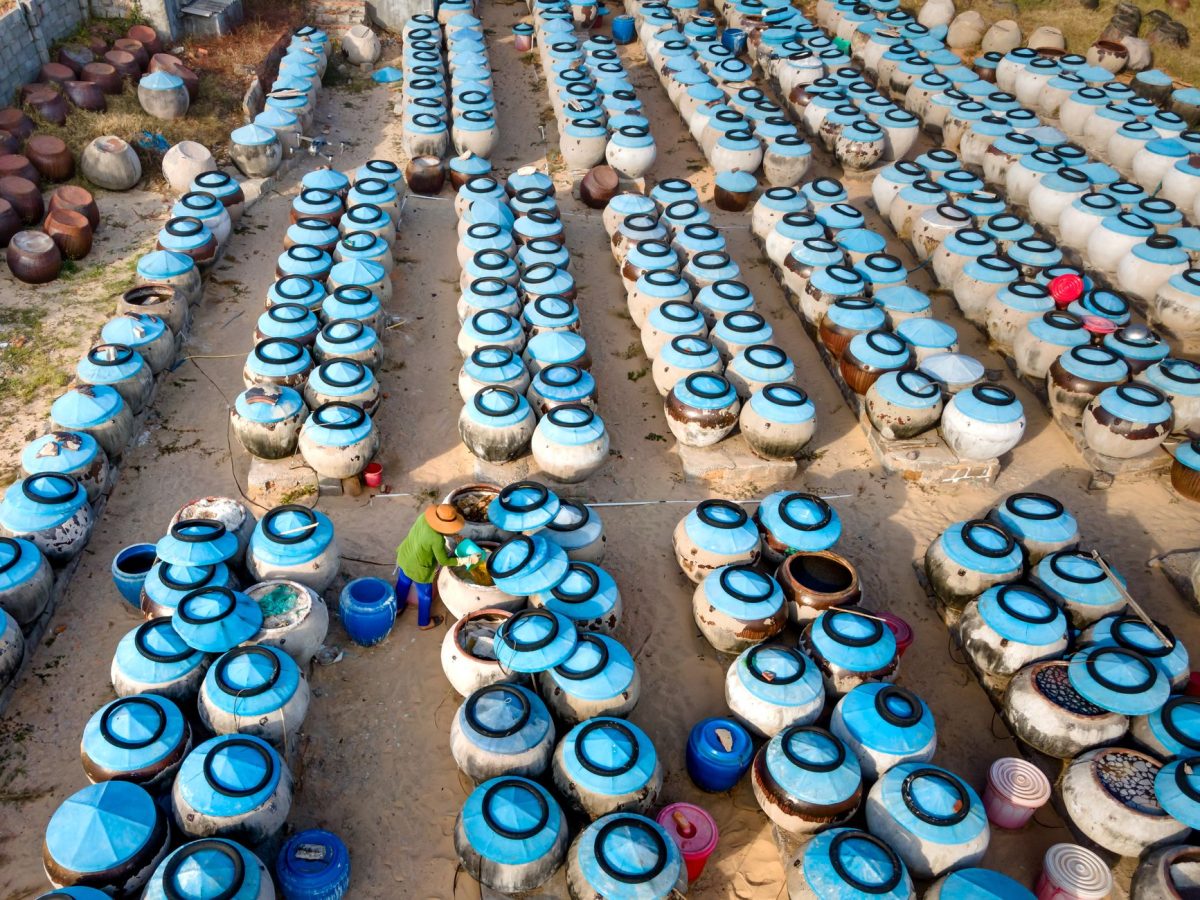
Did you know that up to 40% of the food produced globally is lost or wasted? Reducing food waste not only helps the environment but also saves you money and creates delicious, nutritious products for your family. In this guide, you'll learn how to reduce food waste at home by 50% using simple, effective methods and recipes.
Step 1: **Assess** Your Food Waste
Start by tracking your food waste for a week to understand where it's coming from. Use a food waste journal or a mobile app like Food Waste Hero to monitor your waste. This will help you identify patterns and areas for improvement.
Step 2: **Plan** Your Meals and Grocery Shopping
Plan your meals and make a grocery list to avoid buying too much food that may go to waste. Use a meal planning app like Yummly or Plan to Eat to help you plan and organize your meals.
Step 3: **Store** Food Properly
Proper food storage is key to reducing waste. Make sure to store food in airtight containers and keep your fridge and pantry organized. Use a storage app like StoreIt or Food Storage to help you keep track of what you have and what's expiring soon.
Step 4: **Compost** Food Scraps
Compost food scraps like fruit and vegetable peels, tea bags, and coffee grounds to create nutrient-rich soil for your garden. Use a compost bin or a worm composter to make the process easy and efficient.
Step 5: **Ferment** Food Waste
Use fermentation to turn food waste into nutritious and delicious products like sauerkraut, kimchi, and kefir. Use a fermentation kit or a fermentation jar to make the process easy and safe.
Step 6: **Preserve** Food
Preserve food by freezing, canning, or dehydrating to extend its shelf life. Use a pressure canner or a dehydrator to make the process easy and safe.
Step 7: **Use** Up Leftovers
Use up leftovers to reduce food waste and save money. Use a leftovers app like Leftover Swap or Mealime to help you plan and use up your leftovers.
Step 8: **Donate** Excess Food
Donate excess food to local food banks or soup kitchens to help those in need. Use a food donation app like Food Rescue or FoodFinder to help you find local organizations that accept food donations.
Step 9: **Repurpose** Food Waste
Repurpose food waste by turning it into new products like biogas, biodiesel, or animal feed. Use a repurposing app like Food Waste to Energy or Biogas to help you find new uses for your food waste.
Step 10: **Monitor** Progress
Monitor your progress and adjust your strategies as needed. Use a food waste tracking app like Reduce Food Waste or Food Waste Tracker to help you track your progress and stay on track.
One expert insight most people overlook is that reducing food waste is not just about saving money, but also about reducing greenhouse gas emissions and conserving water.
By following these 10 steps, you can reduce food waste at home by 50% and create a more sustainable kitchen. Remember to monitor your progress and adjust your strategies as needed. Next, consider sharing your knowledge with friends and family to create a ripple effect of sustainability.