How To Ask Questions Effectively at a Press Conference: The Complete Guide
Learn how to confidently engage with public figures and get the information you need
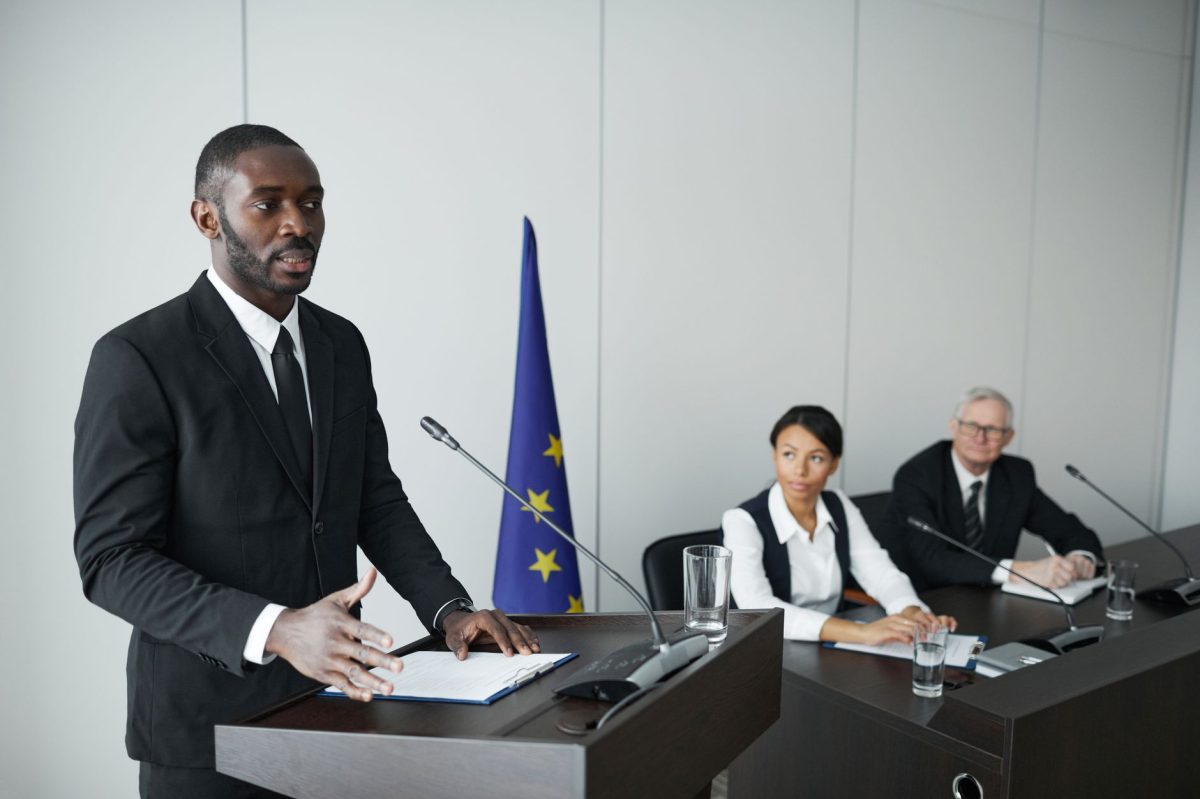
Getting the right information out of a press conference can be a challenge, especially when dealing with high-profile figures. In today's fast-paced news landscape, being able to effectively ask questions is a crucial skill for anyone working in journalism or communications. This guide will walk you through the steps to ask questions confidently and get the information you need.
Step 1: Research and Prepare Your Questions
Understand the context of the press conference and the person you'll be asking questions of. Research their policies, statements, and previous answers to identify areas of interest. Prepare a list of specific, concise questions that you can ask, and consider potential follow-ups. Use online tools like FactCheck.org or Politifact.com to verify information and stay up-to-date on current events.
Step 2: Craft Your Question for Maximum Impact
Clearly define the question you want to ask, avoiding ambiguity or leading language. Use a simple, direct tone that shows you've done your research. Make sure your question is relevant to the conference and its attendees. For example, if you're asking a question about a new policy, make sure you understand the policy's details and can explain its implications.
Step 3: Plan Your Approach and Timing
Timing is everything in a press conference, so plan your approach carefully. Consider the order of questions, the pace of the conference, and the attention span of the attendees. Make sure you're visible and audible when asking your question, and be prepared to answer follow-ups or provide further clarification. Use online platforms like the White House Press Briefing to see how other journalists approach their questions.
Step 4: Stay Focused and Assertive
Stay calm and composed when asking your question, even if you're dealing with a high-pressure figure. Speak clearly and confidently, and avoid interrupting others or getting sidetracked. Use nonverbal cues like maintaining eye contact and standing up straight to show you're engaged and interested in the conversation. Consider using a digital recorder or note-taking app to capture the details of the conference and follow up on any key points.
Step 5: Follow Up and Follow Through
Don't be afraid to ask follow-up questions if you need more information or clarification. Use online platforms or social media to engage with the speaker and other attendees, and to fact-check their responses. Consider writing a follow-up article or blog post to share your findings and provide additional context. Use tools like Google Alerts or Apple News to stay informed and up-to-date on the latest developments.
Step 6: Reflect and Improve Your Skills
Reflect on your experience and identify areas for improvement. Consider seeking feedback from colleagues or mentors, and use online resources like the Poynter Institute or the Associated Press to brush up on your journalism skills. Use digital tools like Evernote or Trello to organize your research and stay on top of your tasks. By following these steps and continually refining your skills, you'll be well on your way to becoming a confident and effective question-asker at any press conference.
One expert insight most people overlook is the importance of **active listening** when asking questions. Instead of waiting for the speaker to finish, try **paraphrasing or summarizing their response** to ensure you understand the context and can ask follow-up questions effectively.
By following these steps and practicing your skills, you'll be well-equipped to ask effective questions at any press conference. Remember to stay focused, assertive, and informed, and don't be afraid to follow up and follow through on your questions. With time and practice, you'll become a confident and effective question-asker.