How To Build Business Partnerships in the Middle East
A practical guide to expanding your international network and securing lucrative deals in the region's growing markets
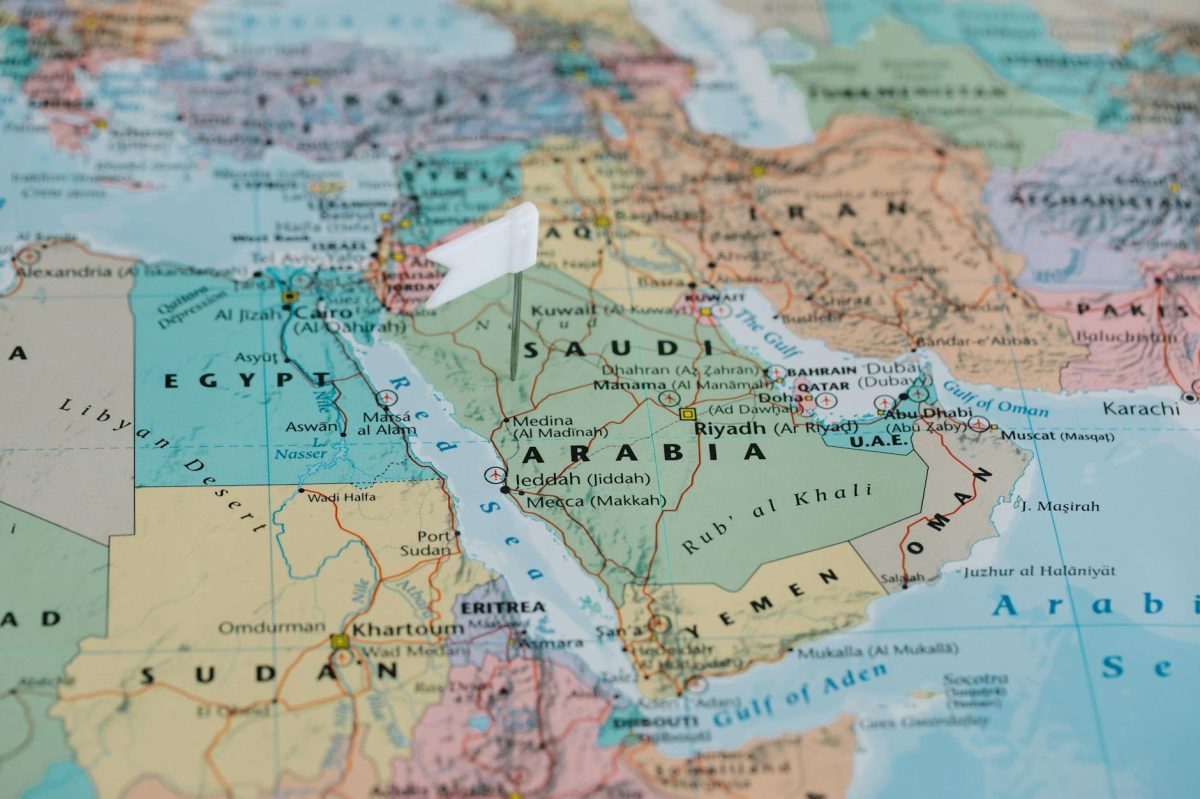
Are you looking to diversify your business and tap into the vast opportunities offered by the Middle East? Building strong business partnerships in this region can be a game-changer for your company, but where do you start? This guide provides a step-by-step approach to establishing connections and securing lucrative deals in the Middle East's rapidly growing markets.
Step 1: Research the Local Business Culture and Market Trends
To build successful partnerships in the Middle East, you need to understand the local business culture and market trends. Start by reading industry reports and articles, such as the Middle East Business Intelligence Report, to gain insights into the region's economy and business environment. You can also connect with local business leaders and entrepreneurs through platforms like LinkedIn to learn about their experiences and challenges. Networking is key in this region, so make sure to attend industry events and conferences to establish connections.
Step 2: Identify Potential Partners and Collaborators
Once you have a good understanding of the local business culture and market trends, it's time to identify potential partners and collaborators. Look for companies that share your values and goals, and have a strong reputation in the region. You can use online directories like ZoomInfo or Hunter to find companies that match your criteria. Additionally, consider partnering with local businesses that can provide valuable insights and support in the region.
Step 3: Develop a Strong Business Proposal and Pitch
Your business proposal and pitch are crucial in securing partnerships in the Middle East. Make sure to highlight your company's unique value proposition, and demonstrate how your products or services can meet the needs of local businesses. Use visual aids like presentations and videos to showcase your ideas and make a lasting impression. Clear communication is essential in this region, so make sure to tailor your pitch to your audience and avoid using jargon or technical terms that may confuse them.
Step 4: Establish a Strong Online Presence and Brand Identity
In today's digital age, having a strong online presence and brand identity is essential for building business partnerships in the Middle East. Create a professional website that showcases your company's products and services, and engage with local businesses on social media platforms like LinkedIn and Twitter. Make sure to optimize your website and online content for local search engines like Google Middle East, to increase your visibility and credibility in the region.
Step 5: Follow Up and Build on Your Relationships
Once you have established connections with local businesses, it's essential to follow up and build on your relationships. Send regular updates and newsletters to your contacts, and offer value-added services or advice to demonstrate your commitment to their success. Use CRM tools like HubSpot or Salesforce to track your interactions and stay organized. Relationship building is a long-term process, so be patient and persistent in your efforts to establish strong business partnerships in the Middle East.
When building business partnerships in the Middle East, it's essential to be sensitive to local customs and traditions. For example, in some countries, it's customary to use both hands when giving or receiving business cards, and to avoid eating with your left hand. Make sure to research and respect local business etiquette to avoid unintended offense or miscommunication.
By following these steps and tips, you can build strong business partnerships in the Middle East and tap into the region's growing markets. Remember to be patient, persistent, and flexible in your approach, and to always prioritize clear communication and relationship building. With the right strategy and mindset, you can establish successful partnerships and drive your business forward in this exciting and rapidly evolving region.