How To Stay Safe From Regional Conflicts In The Middle East
Learn How To Protect Yourself and Your Business From Global Tensions
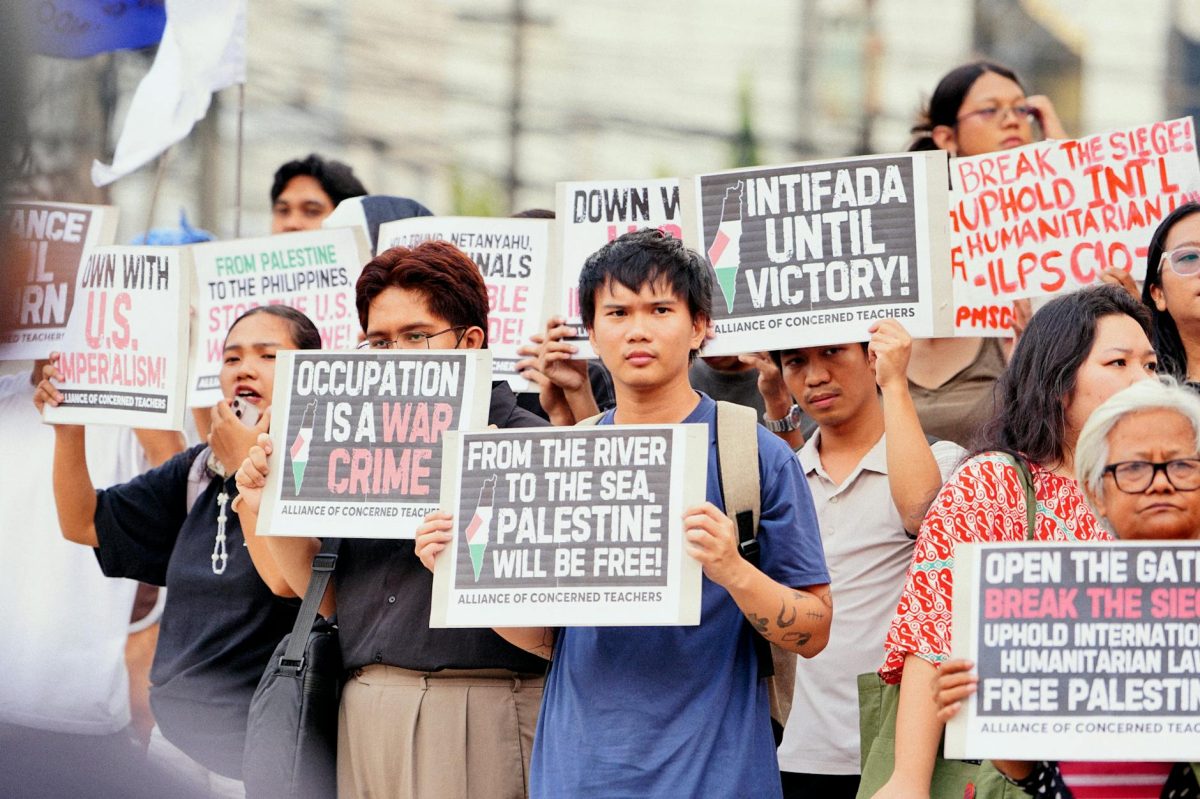
The recent tensions in the Middle East have left many people wondering how to stay safe from regional conflicts. As a global citizen, it's essential to be aware of the situation and take necessary precautions to protect yourself and your business. In this guide, you'll learn 5 practical tips to help you navigate this complex issue.
Step 1: **Monitor** Local News and Government Advisories
Stay informed about the latest developments in the Middle East by following local news sources and government advisories. Websites like BBC News and Al Jazeera provide up-to-date information on the situation. You can also sign up for emergency alerts from your country's embassy or consulate in the affected region. This will help you stay ahead of any potential risks and make informed decisions about your travel plans.
Step 2: **Assess** Your Business Risks
If you have business interests in the Middle East, it's crucial to assess your risks and develop a contingency plan. Identify potential vulnerabilities, such as supply chain disruptions or employee safety concerns. Use tools like the Middle East Risk Map to get a better understanding of the region's security landscape. This will help you make informed decisions about your business operations and mitigate potential risks.
Step 3: **Develop** Emergency Response Plans
Create emergency response plans for your business and personal situations. This should include evacuation procedures, communication protocols, and emergency contact information. Use apps like Everplans or Life360 to help you create and share your plans with family members or employees. Regularly review and update your plans to ensure they remain effective.
Step 4: **Build** Relationships with Local Partners
Building relationships with local partners and stakeholders can help you stay informed about the situation and gain access to valuable insights. Attend business conferences and networking events in the region to connect with local leaders and experts. Use tools like LinkedIn to research potential partners and build your professional network.
Step 5: **Review** and Update Your Insurance Coverage
Review your insurance coverage to ensure it includes regional conflict risks. Consider purchasing additional insurance policies that cover business interruption, supply chain disruption, or evacuation costs. Use websites like Policygenius or Insure.com to research and compare insurance options. This will help you protect your business and personal assets from potential financial losses.
Remember that regional conflicts can be unpredictable and ever-changing. Stay adaptable and be prepared to adjust your plans accordingly. Regularly review your risk assessments and emergency response plans to ensure they remain effective.
By following these 5 practical tips, you'll be better equipped to stay safe from regional conflicts in the Middle East. Remember to stay informed, assess your risks, and develop emergency response plans to protect yourself and your business. Take action today and protect your interests in the region.