How To Fight Vaccine Hesitancy In Your Community
A Step-by-Step Guide to Mobilizing Your Community and Protecting Public Health
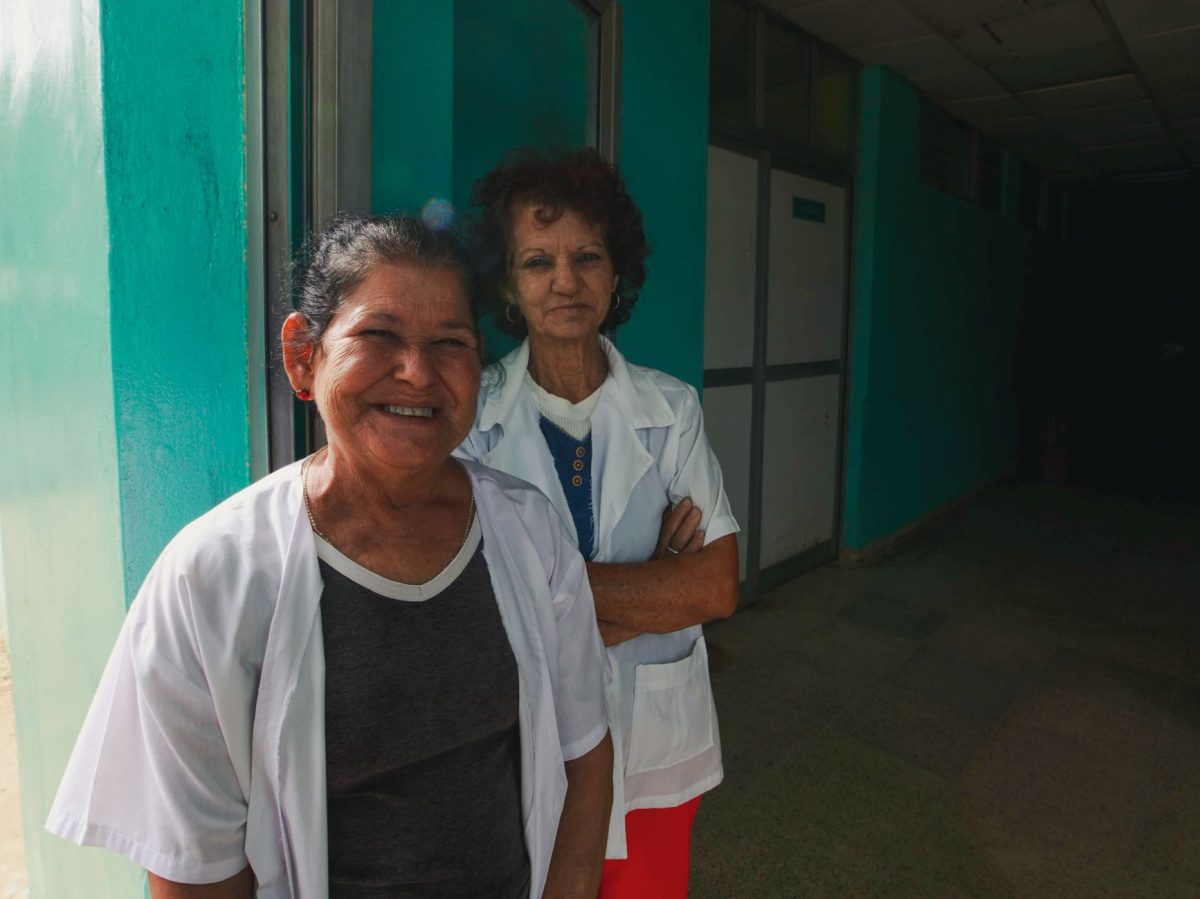
Vaccine hesitancy is a growing concern worldwide, but community-led efforts can help combat this issue. In Sokoto State, Nigeria, volunteer community mobilizers and traditional rulers have joined forces to track and identify unvaccinated children. In this guide, we'll show you how to replicate their success in your own community.
Step 1: Identify Key Stakeholders in Your Community
Engage with local leaders, community organizers, and healthcare professionals to build a coalition against vaccine hesitancy. Conduct a needs assessment to understand the root causes of vaccine hesitancy in your community. Reach out to schools, hospitals, and community centers to gather data and build relationships. This will help you understand the scope of the issue and identify potential allies and partners.
Step 2: Create a Community Awareness Campaign
Develop a comprehensive awareness campaign to educate community members about the importance of vaccination. Use social media, local newspapers, and community events to spread the word. Create eye-catching posters, flyers, and brochures that highlight the benefits of vaccination. Partner with local influencers, community leaders, and healthcare professionals to amplify your message.
Step 3: Mobilize Community Volunteers
Recruit passionate community volunteers to help with outreach, education, and tracking efforts. Train them on the basics of vaccine hesitancy, its consequences, and the importance of vaccination. Provide them with resources, such as fact sheets, brochures, and social media templates, to help them communicate effectively with community members.
Step 4: Track and Identify Unvaccinated Children
Use data-driven approaches to track and identify unvaccinated children in your community. Partner with local healthcare providers to access vaccination records and identify areas of concern. Use online tools, such as Google Maps and demographic analysis software, to visualize vaccination rates and identify hotspots.
Step 5: Develop a Referral System
Establish a referral system to connect unvaccinated children with local healthcare providers. Create a network of community health workers, nurses, and doctors who can offer vaccination services and provide education on vaccine safety. Use mobile apps, such as CoPilot or Medigo, to streamline referrals and track vaccination progress.
Step 6: Monitor Progress and Evaluate Effectiveness
Regularly monitor progress and evaluate the effectiveness of your community-led efforts. Use data analytics tools, such as Google Data Studio or Tableau, to track vaccination rates, community engagement, and other key metrics. Adjust your strategy as needed to ensure you're making a meaningful impact.
Step 7: Sustain Community Engagement
Sustain community engagement by continuing to educate and mobilize community members. Host regular town hall meetings, community events, and social media campaigns to keep the conversation going. Celebrate successes and acknowledge challenges to maintain momentum and build trust with your community.
Don't underestimate the power of traditional leaders in your community. They can be powerful allies in the fight against vaccine hesitancy, so make sure to engage with them early and often.
By following these 7 steps, you can replicate the success of Sokoto State's community-led efforts and protect public health in your own community. Remember to stay vigilant, adapt to changing circumstances, and celebrate your successes along the way.