How To Protect Yourself From Global Conflict: The Complete Guide
Stay informed, secure your finances, and be prepared for the unexpected with our expert tips
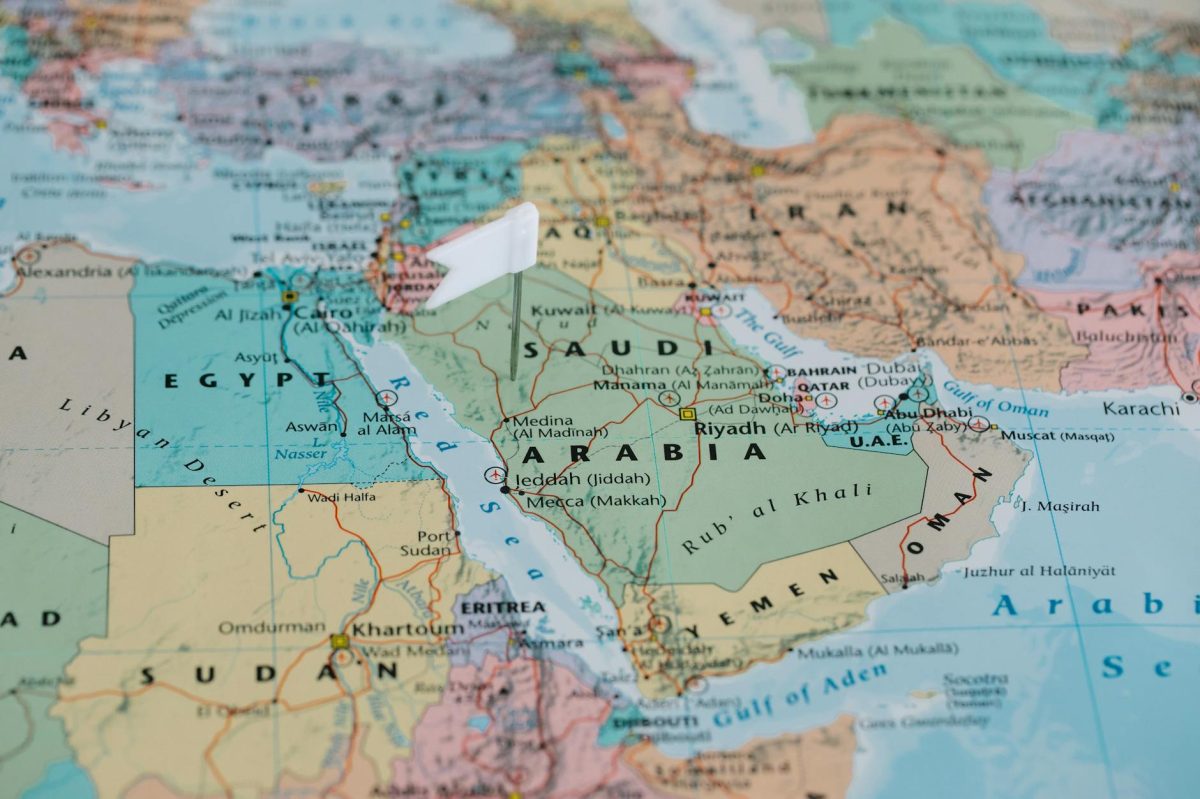
As global tensions rise, it's essential to be informed about the complex web of international relations and potential conflict hotspots. Staying safe and secure requires a holistic approach that includes understanding geopolitics, securing your finances, and being prepared for the unexpected. In this guide, we'll share actionable tips to help you navigate the complexities of global conflict and protect yourself and your loved ones.
Step 1: **Stay Informed About Global Conflict**
Subscribe to reputable news sources such as The New York Times, BBC News, and Al Jazeera to stay up-to-date on international relations and conflict hotspots. Utilize online resources like World Bank Open Data and United Nations Reports to gain insights into global economic and social trends. Allocate 30 minutes daily to scan news headlines and analyze potential implications on your personal and financial security.
Step 2: **Diversify Your Investments and Secure Your Finances**
Consider investing in a globally diversified portfolio to minimize risk and maximize returns. Utilize low-cost index funds and ETFs, and allocate a portion of your portfolio to gold or other precious metals as a hedge against inflation and market volatility. Review your emergency fund and adjust your budget to ensure you have 3-6 months' worth of expenses set aside.
Step 3: **Build an Emergency Kit and Plan**
Create a comprehensive emergency kit that includes essential items such as a first aid kit, non-perishable food, and a battery-powered radio. Develop a contingency plan with your family, including a communication protocol, evacuation routes, and a meeting point. Allocate 2 hours to update your emergency kit and plan every 6 months.
Step 4: **Understand Your Country's Travel Advisories**
Familiarize yourself with your country's travel advisories and warnings for international travel. Utilize resources like the US Department of State's Travel Advisory website or your country's equivalent to stay informed about potential safety risks abroad. Adjust your travel plans accordingly, and consider purchasing travel insurance that covers unexpected medical and evacuation expenses.
Step 5: **Develop a Communication Plan**
Create a communication plan with your loved ones, including a designated emergency contact person and a communication protocol. Utilize apps like WhatsApp or Signal to stay connected, and consider investing in a satellite phone or a personal locator beacon (PLB) for remote areas. Allocate 1 hour to update your communication plan every 3 months.
Step 6: **Stay Prepared for Power Outages and Disasters**
Create a disaster preparedness plan with your family, including a list of essential items, a communication protocol, and a meeting point. Utilize resources like the American Red Cross's Prepare for Emergencies website to stay informed about potential disaster risks and mitigation strategies. Allocate 2 hours to update your disaster preparedness plan every 6 months.
Don't underestimate the importance of having a backup power source, such as a portable generator or a solar panel, in case of prolonged power outages. This can be a lifesaver in extreme situations.
By following these steps, you'll be well-prepared to navigate the complexities of global conflict and protect yourself and your loved ones. Stay informed, secure your finances, and be prepared for the unexpected – it's better to be safe than sorry.