How To Prevent School Arson Attacks: A 7-Step Guide for Parents and Educators
Take proactive measures to ensure student safety and prevent devastating incidents like the Kenyan girls' school fire
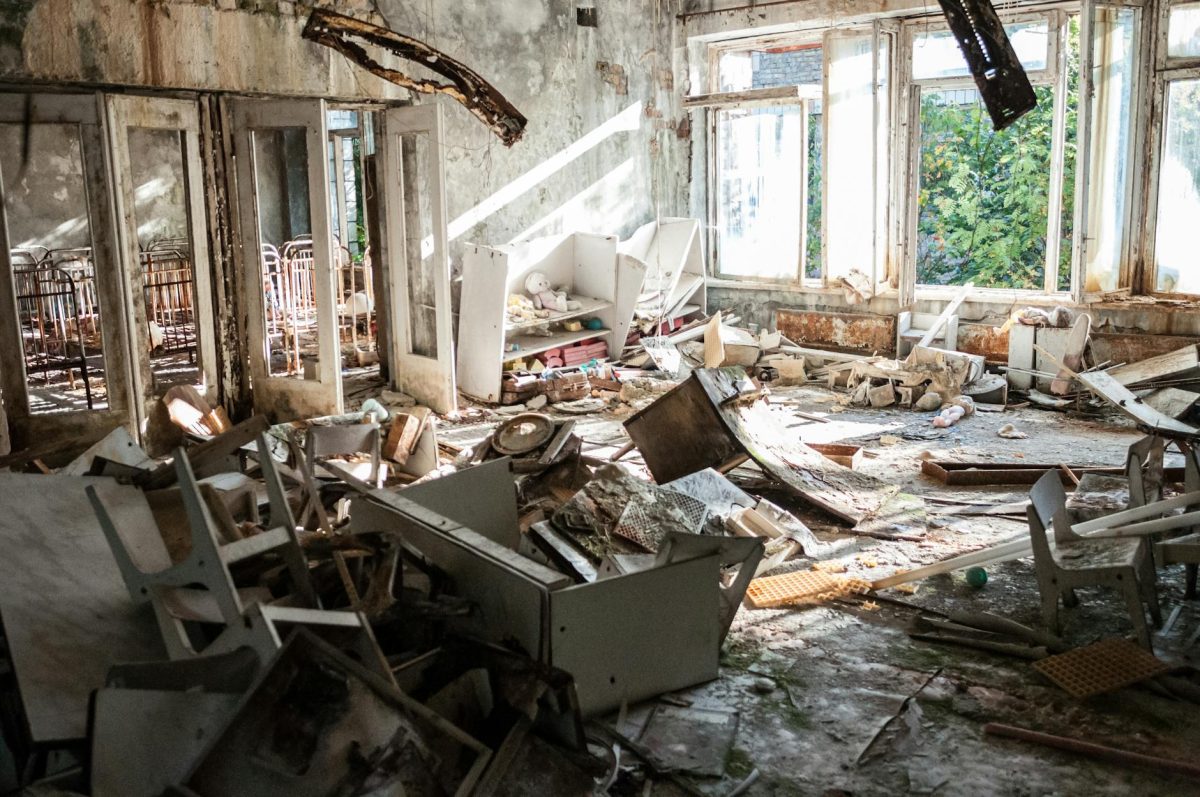
School arson attacks are a growing concern worldwide, leaving devastating consequences in their wake. As a parent or educator, it's essential to take proactive measures to ensure student safety and prevent such incidents. In this guide, you'll learn 7 actionable steps to implement effective school arson attack prevention strategies.
Step 1: Conduct a School Safety Audit
Perform a thorough safety audit of your school to identify potential risks and vulnerabilities. Assess the fire extinguishers, alarm systems, and emergency exits. Consider enlisting the help of a fire safety expert to ensure a comprehensive evaluation. Identify areas of improvement and create a plan to address them.
Step 2: Implement Fire-Safe Policies and Procedures
Develop and enforce strict fire safety policies, including no-smoking zones, fire-free decorations, and proper storage of flammable materials. Establish clear procedures for reporting suspicious activity and responding to emergencies. Ensure all staff and students understand and adhere to these policies. Regularly review and update policies to reflect any changes or new information.
Step 3: Increase Student and Staff Awareness
Educate students and staff about the dangers of school arson and the devastating consequences of such attacks. Discuss the importance of reporting suspicious activity and the role everyone plays in preventing school fires. Consider hosting workshops or assemblies to raise awareness and promote a culture of safety. Encourage open communication and encourage students and staff to speak up if they suspect something is amiss.
Step 4: Install Fire Suppression Systems and Security Cameras
Invest in fire suppression systems, such as sprinkler systems or clean-agent fire extinguishers, to quickly contain and extinguish fires. Install security cameras to monitor the school's perimeter and interior, deterring potential arsonists and providing evidence in case of a fire. Choose reputable vendors and install systems in accordance with local fire codes and regulations.
Step 5: Develop an Emergency Response Plan
Create a comprehensive emergency response plan that outlines procedures for responding to school fires, including evacuation routes, assembly points, and communication protocols. Conduct regular drills and exercises to ensure students and staff are prepared and familiar with the plan. Practice the plan with your school community to ensure a smooth and effective response in case of an emergency.
Step 6: Foster a Positive School Culture
Encourage a positive school culture by promoting respect, empathy, and inclusivity among students and staff. Foster relationships between teachers, students, and parents to build trust and prevent isolation. Celebrate the achievements and contributions of students and staff to promote a sense of belonging and community.
Step 7: Collaborate with Local Authorities and Community Groups
Partner with local authorities, such as police and fire departments, to share intelligence and best practices in school arson attack prevention. Engage with community groups and organizations to raise awareness and promote a culture of safety. Stay informed about local trends and threats, and adjust your school's safety strategies accordingly.
Regularly review and update your school's safety plan to reflect changes in your school community, local threats, or new best practices.
By implementing these 7 steps, you'll be well on your way to creating a safer school environment and preventing devastating arson attacks. Remember to stay vigilant, adapt to changing circumstances, and continuously evaluate and improve your school's safety measures. Take action today to protect your students and staff.