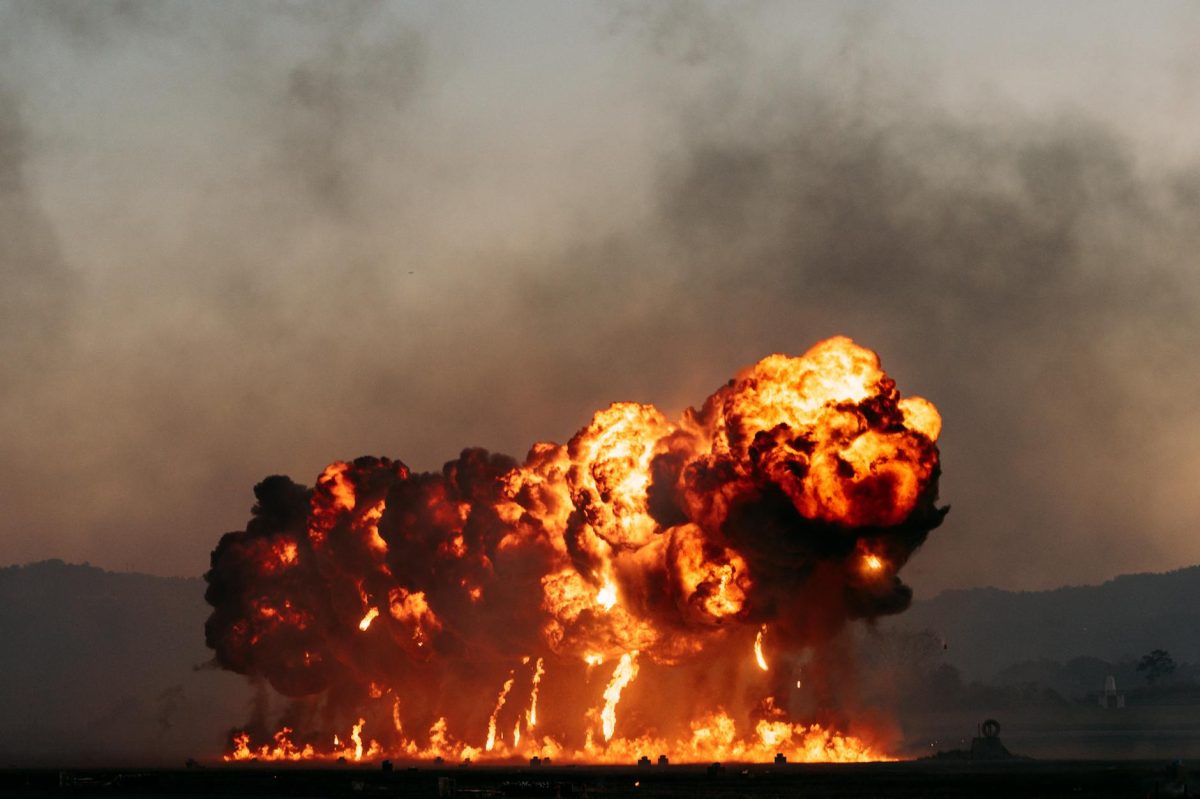
How To Understand Global Conflict: A 6-Step Guide 2026
Navigate Today's Turbulent World by Learning Key Principles of International Relations
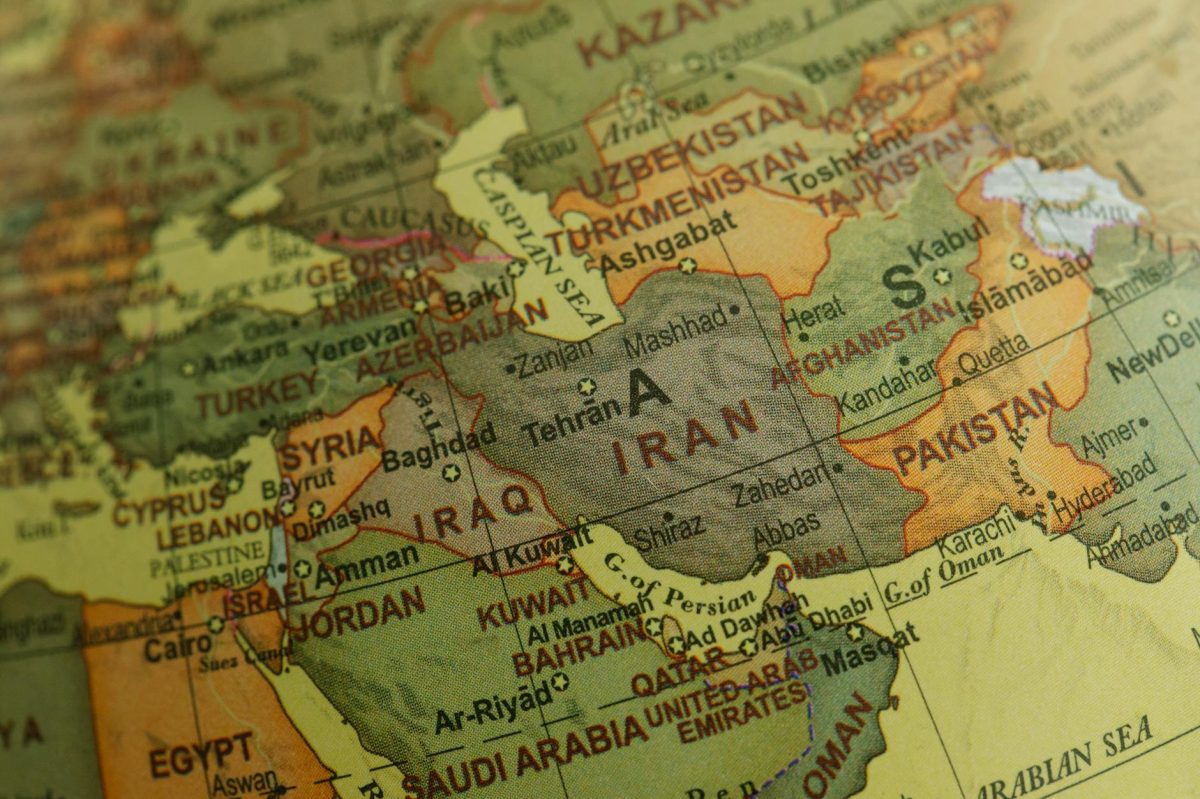
The world is increasingly complex, and understanding global conflict is more crucial than ever. As international relations continue to shift, it's essential to grasp the principles of conflict resolution and geopolitics to stay informed. In this guide, you'll learn how to navigate today's turbulent world and make sense of global events.
Step 1: **Identify the Players**
Start by researching the key players involved in the conflict, including governments, organizations, and interest groups. Use online resources such as the CIA World Factbook and the Brookings Institution to gather information. Pay attention to the motivations and interests of each player, as this will help you understand their actions and decisions. For example, the CIA World Factbook provides detailed information on countries, including their governments, economies, and military capabilities.
Step 2: **Analyze the Conflict's Root Causes**
Once you have a list of key players, analyze the conflict's root causes, including historical context, economic factors, and cultural differences. Use online resources such as the Council on Foreign Relations and the International Crisis Group to gather information. Consider the impact of external factors, such as climate change and economic sanctions, on the conflict. For example, the Council on Foreign Relations provides in-depth analysis of global conflicts and their root causes.
Step 3: **Understand the Conflict's Dynamics**
To gain a deeper understanding of the conflict, analyze its dynamics, including the military, economic, and diplomatic factors at play. Use online resources such as the Small Wars Journal and the Modern War Institute to gather information. Consider the role of non-state actors, such as terrorist organizations and militias, in the conflict. For example, the Small Wars Journal provides analysis of asymmetric warfare and its impact on conflict dynamics.
Step 4: **Assess the Conflict's Impact**
Assess the impact of the conflict on various stakeholders, including civilians, governments, and the global economy. Use online resources such as the United Nations and the World Bank to gather information. Consider the humanitarian consequences of the conflict, including displacement, poverty, and hunger. For example, the United Nations provides updates on humanitarian crises and emergency responses.
Step 5: **Evaluate Conflict Resolution Options**
Evaluate various conflict resolution options, including diplomacy, mediation, and military intervention. Use online resources such as the Conflict Resolution Network and the International Mediation Institute to gather information. Consider the pros and cons of each option, including the potential risks and benefits. For example, the Conflict Resolution Network provides resources on conflict resolution techniques and strategies.
Step 6: **Stay Informed and Updated**
To stay informed and updated on global conflicts, follow reputable news sources and online resources, such as the BBC and Al Jazeera. Use social media platforms to stay connected with experts and analysts in the field. Join online communities and forums to discuss global conflicts and share knowledge with others. For example, the BBC provides in-depth coverage of global conflicts and their impact on the world.
Be aware of your own biases and assumptions when analyzing global conflicts. Try to approach each issue with an open mind and consider multiple perspectives before forming an opinion.
By following these 6 steps, you'll gain a deeper understanding of global conflict and be better equipped to navigate today's turbulent world. Remember to stay informed and updated on global events, and consider multiple perspectives before forming an opinion. Finally, use your knowledge to make a positive impact and contribute to conflict resolution efforts.